South Korea Yacht Cruising Guide
South Korea Yacht Cruising Guide. South Korea occupies a strategic position between Japan, China, and the wider Western Pacific, making it a practical waypoint for yachts moving through Northeast Asia. Its coastline includes industrial ports, fishing harbors, and a growing number of marinas, particularly around Busan and the southern islands. While not a traditional leisure cruising destination, South Korea is increasingly used by passage making yachts for reprovisioning, repairs, and onward passage planning. This South Korea cruising guide provides practical information for yachts navigating the region.
The key ports for yachts in South Korea include Busan, Incheon, Jeju, Mokpo, Yeosu, and Ulsan. Busan is the primary entry point due to its established customs and immigration facilities. Jeju is a useful stop for yachts arriving from Japan or Taiwan, while Incheon serves vessels approaching from northern China although not a popular destination. Smaller fishing ports exist along the coast, but most are unsuitable for clearance and may have limited space or strict local regulations.

South Korea Yacht Cruising Guide - Navigation
Sailing to South Korea by yacht requires careful planning due to strong tidal currents, heavy commercial traffic, and variable weather. The southern and western coasts are influenced by the Yellow Sea’s shallow depths, producing strong tidal ranges and currents that can exceed 3–4 knots in narrow channels. Yachts should plan passages around headlands and straits with attention to tide tables and local current predictions.
Approaches to Busan: One of the busiest container ports in Asia, are straightforward but crowded. Cargo ships, ferries, and fishing vessels operate continuously. Yachts must monitor port control VHF channels and follow instructions precisely. Fog is common in spring and can reduce visibility significantly.
The South Coast. This includes approaches to Yeosu, Tongyeong, and Mokpo, is dotted with islands and fishing activity. Nets, longlines, and small unlit boats are common, especially at night. Radar and AIS are essential for safe navigation.
The West Coast. This features extensive mudflats, shallow areas, and strong tidal flows. Approaches to Incheon require careful navigation through dredged channels and traffic separation schemes. Fog is frequent in spring and early summer.
The East Coast. This includes Ulsan, Pohang, and Gangneung, is more straightforward, with deeper water and fewer navigational hazards. However, the region is exposed to swell and strong northerly winds during winter.
South Korea Yacht Cruising Guide - Cruising Ports
South Korea’s main cruising ports provide reliable marina access, fuel, and straightforward logistics for foreign yachts. Busan is the primary entry point, offering full‑service berths, haul‑out, and direct transport links. Incheon supports arrivals near Seoul with commercial‑grade facilities and controlled‑access mooring areas. Pyeongtaek functions as an alternative clearance port with deepwater approaches and efficient customs processing. On the south coast, Yeosu offers protected berthing and good repair capability and Changwon is also an option. Other interesting destinations include Jinhae, Masan, along with Donghae and Dongshi. Other destinations worth looking at are Gangneung, Gunsan and Mokpo. Another place to call in to is Sokcho or Gangneung. Geoje Island is the main shipbuilding region and offers some limited services. Then not much further away is Tongyeong which provides sheltered anchorages and marine services suited to coastal transits. Jeju Island supports offshore routing with secure moorings, fuel, and dependable weather windows for onward passages. Other major ports such as Ulsan and Pohang are not yacht friendly. In between is Gyeongju Gampo.

South Korea Yacht Cruising Guide -Entry Protocols
South Korea yacht entry requirements are structured and must be followed precisely. All foreign yachts must make their first landfall at an official Port of Entry, typically Busan, Incheon, or Jeju. Prior to arrival, yachts must submit an Advance Arrival Report, usually 24 hours before entering territorial waters.
Arrival: Upon arrival, yachts must proceed to the designated quarantine berth and await clearance. South Korea yacht clearance procedures typically involve the usual Quarantine inspection, Customs, Immigration, Harbor/Coast Guard inspection. Hoist the Yellow Q flag and once cleared the Korean national courtesy flag.
Documents. The commonly requested include Passports, Ship’s registration, Crew list, Last port clearance, Vessel equipment declaration and a Stores list (occasionally requested). As usual have lists of absolutely everything, with multiple copies printed. Make sure your boat is tidy and neat and clean, Koreans appreciate this and respect goes a long way here.
Permits: South Korea issues a Temporary Import Permit for foreign yachts, usually valid for six months, with possible extensions. Crew visas vary by nationality; many sailors receive 90 days on arrival, with extensions available through immigration offices. You should check before traveling.
Movement between ports requires notifying local authorities. Some harbors require advance permission for entry, especially those near industrial or military zones.
South Korea Yacht Cruising Guide -Local Weather
South Korea’s weather varies significantly by region and season. The country experiences four distinct seasons, each affecting South Korea sailing weather differently.
- Winter (Dec–Mar): Cold temperatures, strong northerly winds, and rough seas along the east coast. Snow is common in northern regions as well as the south. It gets really cold!
- Spring (Mar–May): Variable weather with fog, especially along the west coast and around Incheon.
- Summer (Jun–Sep): Hot, humid conditions with frequent thunderstorms. Typhoon season peaks from August to September. You don't want to be there for these, having been through several when working there.
- Autumn (Oct–Nov): Generally stable weather with moderate winds and clearer visibility.
The south coast is the most sheltered region, with numerous islands providing protection from swell. The east coast is exposed to Pacific weather systems, while the west coast experiences strong tidal effects and occasional sea fog.
South Korea Yacht Cruising Guide - Diesel Fuel
Diesel fuel for yachts in South Korea is widely available in major ports. Commercial fuel docks exist in Busan, Incheon, Ulsan, and Jeju, though some are designed for larger vessels and may require careful maneuvering. Yachts often refuel using jerry cans or arrange delivery via small tanker trucks. Fuel quality is high, and low‑sulfur diesel is standard. Smaller fishing ports may have fuel stations, but access can be limited by dock height or tidal range.
South Korea Yacht Cruising Guide -Fresh Water
Fresh water for yachts in South Korea is available in all major ports. Harbors typically provide water at designated berths, though fittings vary. In some ports, water is supplied via hose from the marina office or via tanker truck. South Korea’s municipal water is treated and safe to drink. Yachts with filtration systems may choose to filter water before filling tanks, but quality is generally reliable.
Mechanical and
Electrical Repairs Resource
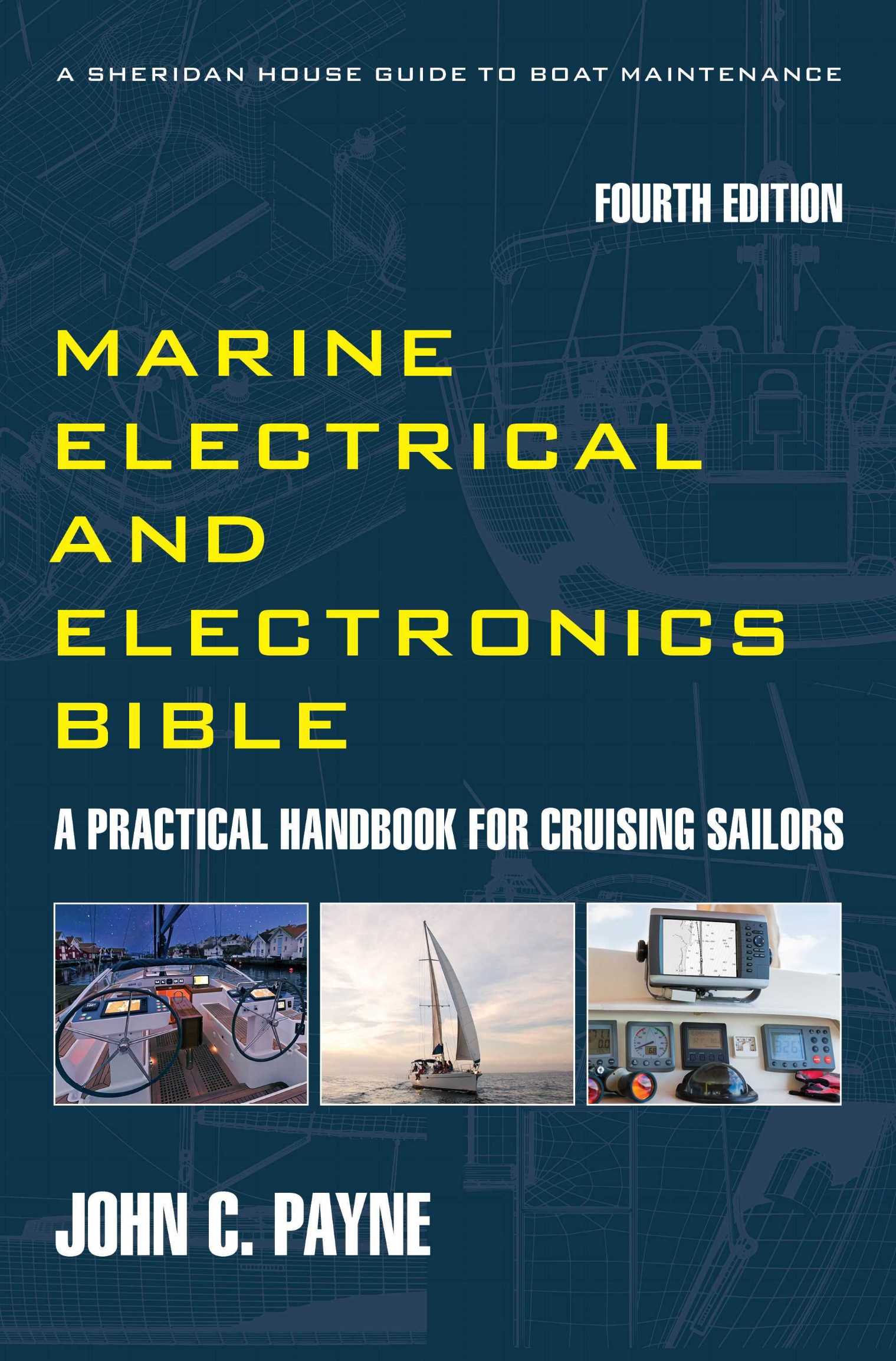
If you are headed somewhere remote consider the need to expand your knowledge base or have an information resource on board. Why not get a copy of my book The Marine and Electrical and Electronics Bible 4th Edition. By and for yachties, with everything from batteries and charging, solar and wind, diesel engines and marine electronics and so much more. Your complete systems guide. 650 pages of practical advice. In Australia and New Zealand order a copy through Boat Books. UK and European boats can buy the UK Edition Here. US and Canadian boats can get the US Edition Order Here. Marine systems are my profession so let me help you. By a liveaboard boat owner for other boat owners


South Korea Yacht Cruising Guide -Marine Services
South Korea has a strong shipbuilding and marine engineering industry, offering a wide range of South Korea yacht repair services. Specialized yacht parts may need to be imported, though shipping is efficient
South Korea Yacht Cruising Guide -Local Culture
South Korean culture places strong emphasis on respect, order, and community awareness. Yachts should be aware of the following:
- Harbors are working environments; avoid obstructing commercial or fishing operations.
- Noise should be minimized, especially at night.
- Waste disposal rules are strict; garbage must be sorted and disposed of properly.
- Shoes are removed when entering homes, restaurants and some offices.
- A polite bow is normal
- Public behavior is quiet and reserved.
- Punctuality and organized paperwork are appreciated by officials.
South Korea Yacht Cruising Guide -Summary
South Korea is a practical and well‑equipped destination for cruising yachts transiting the Western Pacific. It offers reliable ports, clear entry procedures, good provisioning, and access to repairs. The coastline requires careful navigation due to strong currents, fishing activity, and seasonal weather, but the country’s infrastructure and maritime culture make it a dependable stop for long‑range sailors. For yachts moving between Japan, China, Russia, and Southeast Asia, South Korea provides a useful combination of services, shelter, and logistical support. South Korea Yacht Cruising Guide has all the answers.