Incheon Yacht
Cruising Guide
Incheon Yacht Cruising Guide. Incheon sits on South Korea’s northwest coast at the entrance to the Yellow Sea, serving as the maritime gateway to Seoul and the wider Gyeonggi region. For visiting yachts, it offers a mix of modern marina facilities, commercial port infrastructure, and sheltered waterways shaped by extensive islands and tidal flats. While the area is dominated by shipping, ferries, and industrial activity, Incheon provides reliable berthing, provisioning, and technical support for yachts transiting the region.
The city’s geography is defined by large tidal ranges, shifting mudflats, and a network of channels that require careful navigation, but the approaches are well marked and manageable with proper planning. Incheon’s marina facilities are modern and secure, and the city offers excellent provisioning through large supermarkets, traditional markets, and seafood markets. For yachts operating along South Korea’s west coast or staging for onward routes toward China or the Yellow Sea, Incheon is a practical and well‑serviced stop.
Incheon Yacht
Cruising Guide - Entry Protocols
Foreign yachts must complete initial entry formalities at designated ports such as Incheon itself, Busan, or Jeju. Incheon is a recognised international arrival port with customs, immigration, and quarantine services available by arrangement. Advance notice is required, and agents are commonly used for smooth processing. Once cleared, domestic movements within South Korea require no further formalities. AIS use is strongly recommended due to commercial traffic density.
Incheon Yacht
Cruising Guide - Navigation & Approach
Incheon sits inside a tidal, shallow, high‑traffic zone. Navigation and pilotage requires caution and good timing. The major navigation challenges are very strong tidal streams and among the strongest on Korea’s west coast and they can exceed 3–4 knots in narrows and approaches. Extensive mudflats and shallows as the west coast of Korea is dominated by tidal flats. Approaches to Incheon require strict adherence to marked channels and any off‑channel deviation is a high grounding risk. Incheon is a major port with many container ships, ferries, oil tankers, high‑speed passenger craft so expect VTS instructions and crossing traffic. Incheon VTS (Vessel Traffic Service) Control controls all approaches and there is mandatory reporting for most vessels. Bridges, reclamation zones, and dredged channels limit maneuvering and some areas have tidal gates or tidal‑dependent depths. Weather and visibility with west coast fog is common in spring and early summer. Winter winds can create short, steep chop in exposed area
Night entry is possible but not recommended for first‑time visitors due to tidal constraints and the complexity of the channel system. Strong cross‑currents may be encountered near channel junctions. Depths are reliable within marked routes, but off‑channel areas should be avoided.
Incheon Yacht
Cruising Guide - Local Weather
Incheon experiences very cold winters, warm summers, and moderate humidity. Winter brings strong northerly winds and occasional freezing temperatures. Summer is warm with periods of haze, fog, and heavy rain. Typhoon season runs from July to September, though the region’s geography provides partial protection. Spring and autumn offer the most stable conditions. Visibility can be reduced by industrial haze or sea fog, particularly in early mornings.
Incheon Yacht
Cruising Guide - Anchorages
Anchoring options are limited due to commercial traffic, tidal flats, and restricted zones. Short‑term anchoring may be possible in designated areas near the marina complexes with local guidance. Holding is generally good in mud, but tidal range and current strength require careful scope management. Extended anchoring is not recommended. Most visiting yachts use marina berths.
Incheon Yacht
Cruising Guide - Berthing & Marinas
Incheon Marina (Songdo Marina). The primary yacht facility in Incheon, located near the Songdo International Business District. Modern floating pontoons with reliable depths, potable water, and shore power. Secure gated access with CCTV. Well protected from all directions. Close to cafés, shops, and transport links. Suitable for short‑ and long‑term stays. Best option for foreign yachts.
Wangsan Marina: This is one of the largest marinas in South Korea. 266 wet berths + 34 dry berths for vessels from 35 ft to 165 ft. Depth is always above 3.5 m, allowing year‑round access with fuel dock, security gates, and modern pontoons, repair facilities, club house, accommodation, and retail under development. It is located on Yeongjong Island, only 15 km from Incheon International Airport. Approaches to Incheon are among the most challenging in Korea due to strong tides, mudflats, restricted channels, and heavy commercial traffic.
Wolmido Marina. A smaller facility near Wolmido Island offering floating pontoons, water, and shore power. Access coordinated through local authorities. Close to small‑vessel yards and marine contractors. Suitable for technical stops and short stays.
Incheon Yacht
Cruising Guide - Provisioning
Wangsan Marina sits on Yeongjong Island, the same island as Incheon International Airport. The marina area itself is lightly developed, but excellent provisioning is available within 10–20 minutes by taxi. In the immediate Marina Area (Walking Distance) there is the CU Convenience Store – Wangsan Marina Branch which is located inside the marina complex. There are beach cafés and restaurants around Wangsan Beach (5–10 min walk)
Supermarkets: Yeongjong Island (10–15 minutes by taxi). Emart Yeongjong / Emart Incheon Airport Area is a full‑scale Korean supermarket for fresh produce, meat and seafood. Lotte Mart (Airport Terminal Area) Taxi from marina is 12–15 minutes and is located inside the airport commercial zone. Homeplus Express (Yeongjong Town Center) is 15 minutes by taxi. Homeplus Incheon. Strong selection of fresh produce, dry goods, and imported items. Reliable for full provisioning. Convenience Stores. CU, GS25, and 7‑Eleven are located throughout the marina districts. Useful for snacks, drinks, ice, SIM cards, and last‑minute items. Incheon Mainland (20–30 minutes by taxi): If you need Western imports, bulk provisioning, or specialty items, go to the mainland. Shinsegae Department Store (Incheon) is a high‑end supermarket (food hall). Homeplus (Incheon City) is a large hypermarket.
Traditional Markets: Traditional markets offer fresh produce, vegetables, fruit, tofu, noodles, and local specialties. Sinpo International Market. Large, well‑known market with excellent fresh produce, prepared foods, and local specialties. Incheon Jungang Market. Reliable for vegetables, fruit, and daily staples. Markets. Yeongjong Local Markets which is 10 minutes by taxi with small traditional markets scattered around the island for fresh fish, seasonal vegetables and Korean staples, and best visited in the morning
Fish Markets: Incheon’s seafood markets are extensive due to the city’s fishing‑fleet infrastructure. Sorae Fish Market. One of the largest in the region. Excellent selection of fresh fish, shellfish, crabs, and seasonal species. Vendors will clean and prepare fish on request. Wolmido Fish Stalls. Smaller cluster of vendors offering quick purchases and local catch.
Incheon Yacht
Cruising Guide - Diesel Fuel
There is no yacht‑specific fuel dock. Diesel is supplied by truck delivery arranged through the marina or harbour office. Fuel quality is commercial‑grade and reliable. Advance notice is essential due to port regulations and scheduling constraints.
Incheon Yacht
Cruising Guide - Fresh Water
Potable water is available at all marina facilities with good pressure. Water quality is consistent and suitable for tank filling. No known seasonal restrictions.
Mechanical and Electrical Repairs
Resource
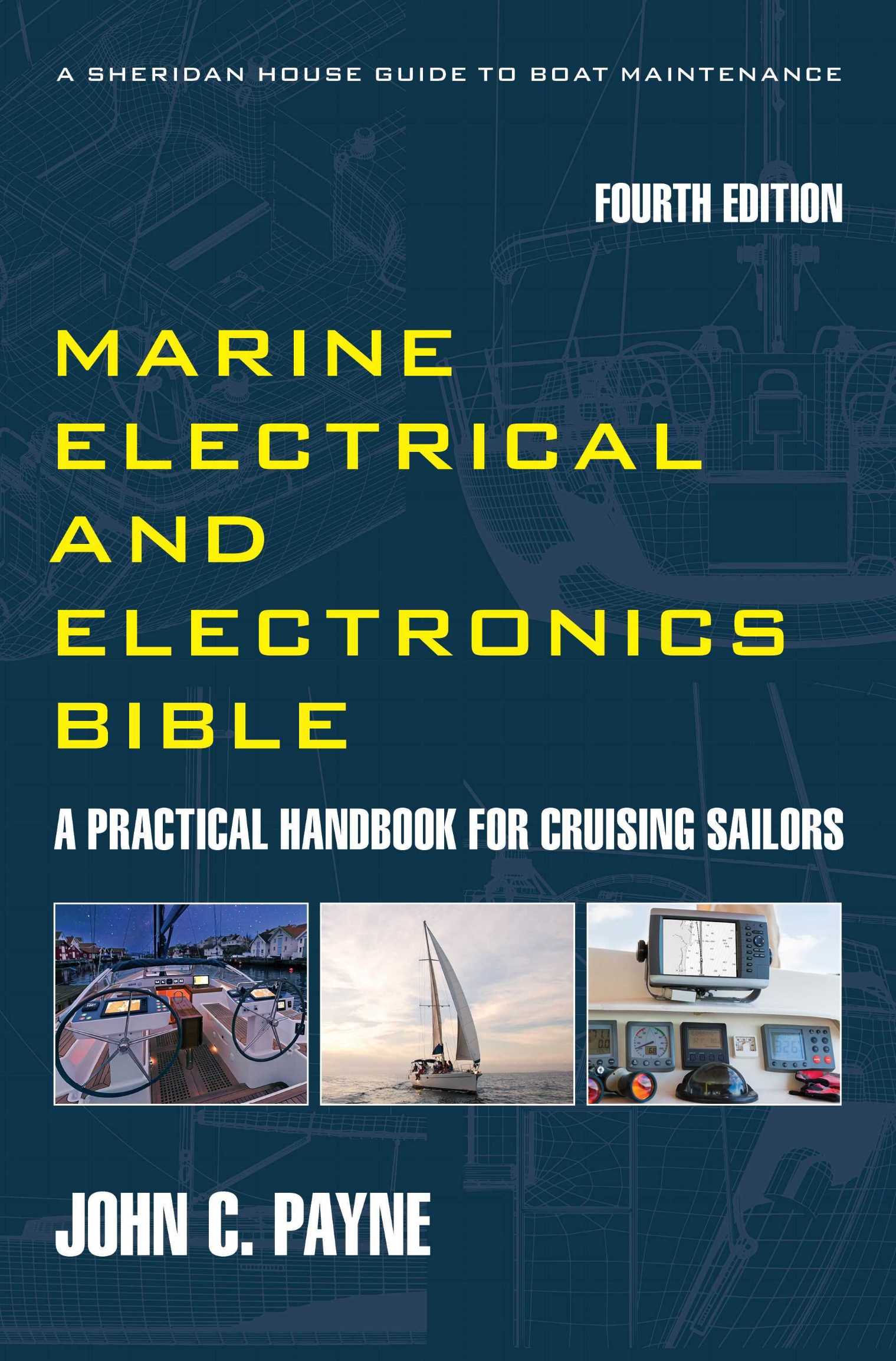
If you are headed somewhere remote consider the need to expand your knowledge base or have an information resource on board. Why not get a copy of my book The Marine and Electrical and Electronics Bible 4th Edition. By and for yachties, with everything from batteries and charging, solar and wind, diesel engines and marine electronics and so much more. Your complete systems guide. 650 pages of practical advice. In Australia and New Zealand order a copy through Boat Books. UK and European boats can buy the UK Edition Here. US and Canadian boats can get the US Edition Order Here. Marine systems are my profession so let me help you. By a liveaboard boat owner for other boat owners

Incheon Yacht Cruising Guide - Mechanical & Electrical Services
Incheon’s marine‑service network is extensive due to its commercial port infrastructure.
- Mechanical: Routine engine maintenance, cooling‑system repairs, fuel‑system troubleshooting, and alternator or starter‑motor servicing available through small‑vessel yards and industrial workshops.
- Electrical: Wiring repairs, battery replacements, charging‑system diagnostics, and shore‑power troubleshooting available. More specialised yacht systems may require technicians from Seoul or Busan.
- Electronics: Basic troubleshooting available locally. Advanced navigation or autopilot repairs typically require external technicians. Parts can be couriered quickly from Seoul.
- Haul‑Out: Limited haul‑out options for yachts. Small‑vessel yards may accommodate certain sizes. More reliable haul‑out available in Busan or Geoje.
Incheon Yacht
Cruising Guide - Local Culture
Incheon blends maritime heritage with modern urban development. The city is known for its waterfront promenades, Chinatown district, and the Songdo International Business District. The atmosphere is energetic, shaped by port activity, tourism, and international influences. Markets, street food, and coastal viewpoints form the core of the local experience.
Incheon Yacht
Cruising Guide - Local Cuisine
Incheon’s cuisine reflects its coastal location and multicultural history. Jajangmyeon (black‑bean noodles) from Chinatown. Fresh sashimi and shellfish from Sorae Fish Market. Seafood hotpot and grilled fish. Salted seafood (jeotgal), a regional specialty. Korean fried chicken and street snacks near Wolmido. Try the spicy version! Seafood quality is excellent due to the city’s fishing‑fleet infrastructure.
Incheon Yacht
Cruising Guide - Final Summary
Incheon provides visiting yachts with reliable shelter, modern marina facilities, and excellent provisioning through large supermarkets and vibrant markets. Navigation requires attention to tides and channels, but approaches are well marked and manageable. Diesel is delivered by truck, fresh water is readily available, and mechanical and electrical services are supported by the city’s extensive commercial marine network. With strong cultural attractions and efficient transport links to Seoul, Incheon is a practical and well‑serviced stop for yachts operating along South Korea’s northwest coast. Incheon Yacht Cruising Guide for all you need to know.