How to Live on a Sailboat — A Beginner’s Guide to the Liveaboard Life
Thinking about living on a sailboat? How to Live on a Sailboat? Living on a sailboat full time is not simply moving into a smaller home. It means moving into a working vessel where shelter, transport, water, power, cooking, sanitation, navigation, weather judgement, machinery, and personal safety are all interconnected. In my personal experience, the first big adjustment is understanding that every domestic action on board has a technical consequence, whether that is using water, charging batteries, cooking in a seaway, flushing a toilet, running a diesel engine, stowing food, or moving around the deck at night.
On my boat, full-time living depends on good systems knowledge, continuous self improvement and continuous self education. routine inspection, disciplined stowage, and a realistic understanding of confined space. A boat is always moving, flexing, corroding, leaking air and moisture through small gaps, and placing loads on fittings, hoses, wires, pumps, seacocks, rigging, and people. Living aboard is practical and workable, but it requires learning the boat as a complete operating system rather than treating it as a floating apartment.
Vessel Selection
& Liveaboard Suitability
How to Live on a Sailboat means being assessing hull forms, displacement, and motion characteristics to ensure predictable behaviour at anchor and under way across varied sea states. Evaluating interior volume, layout efficiency, and ventilation pathways to support long‑term habitability without compromising safety or structural integrity. Matching tankage fuel, water, waste to intended cruising range, climate, and anchorage patterns, with awareness of real‑world consumption rates. Reviewing rig type, sail‑handling systems, and deck ergonomics to ensure manageable workloads for the expected crew size and experience level. Understanding electrical, mechanical, and plumbing system complexity to balance comfort, redundancy, and maintenance demands. Assessing storage capacity, weight‑distribution behaviour, and locker accessibility to support provisioning cycles and predictable trim. Evaluating build quality, materials, and known model‑specific issues to anticipate maintenance cycles and long‑term durability. Aligning vessel capabilities from draft, bridge clearance, speed range, and anchoring gear with the cruising grounds, weather patterns, and operational profile.
Choosing a boat starts with the intended use, not with the layout. A 30-foot monohull, a 50-foot monohull, and a cruising catamaran all create different limits for berth space, storage, systems, maintenance cost, marina access, haul-out options, motion, and handling. In my own experience, budget also controls whether the choice is an older project boat, a partially upgraded boat, or a ready-to-go vessel with recent standing rigging, engine service history, sound sails, working electrics, and reliable plumbing. A cheap boat can quickly become very expensive if the hull, rig, sail, diesel engine, deck fittings, electrical wiring, electronics and safety gear all need repair or replacement before full-time use. Choosing a Sailboat for Liveaboard.

Liveaboard Comfort
& Habitability
How to Live on a Sailboat means learning about ventilation, heating, cooling. Noise, vibration, and motion comfort. Personal space and psychological balance. Designing interior layouts and daily routines that minimise clutter, manage moisture, and maintain safe movement in a dynamic environment. Managing ventilation, airflow, and condensation control to keep cabins dry, reduce mould risk, and maintain comfortable sleeping conditions. Balancing natural light, shade, and heat management using hatches, covers, fans, and insulation to stabilise cabin temperature across seasons. Organising living spaces with secure stowage, predictable placement, and motion‑aware ergonomics to reduce fatigue and improve daily efficiency. Maintaining bedding, upholstery, and soft furnishings with moisture‑control routines, regular airing, and rapid response to leaks or damp. Managing noise and vibration from rig, hull, and machinery to improve sleep quality and reduce long‑term fatigue. Creating reliable routines for cleaning, laundry, and waste handling to maintain hygiene and prevent odour buildup in confined spaces. Adapting personal habits such as movement, clothing, hydration, rest to the realities of motion, weather, and limited resources aboard. Sailboat Liveaboard Life Explained.

Community,
Etiquette & Cruising Culture
How to Live on a Sailboat means changing social interactions and practising clear, courteous communications in anchorages, and in marinas to maintain predictable, low‑stress interactions with other boats and crews. Respecting anchorage norms: adequate spacing, controlled noise levels, proper light use, and predictable dinghy‑movement patterns after dark. Approaching raft‑ups, shared moorings, and dock manoeuvres with patience, consent, and clear role assignment to avoid conflict or risk. Participating in local cruising communities through information‑sharing, mutual assistance, and respectful engagement with long‑term residents and local workers. Observing cultural expectations in coastal villages and small communities, including dress, photography, and behaviour around working waterfronts. Offering and requesting help with awareness of boundaries, safety, and the need for self‑reliance in remote areas. Maintaining a reputation for reliability by honouring commitments, returning borrowed gear promptly, and contributing to shared problem‑solving. Supporting the cruising network by sharing accurate local knowledge including weather patterns, hazards, services without exaggeration or speculation. Community, Etiquette & Cruising Culture.

The Philosophy of
Living Afloat
How to Live on a Sailboat often means adopting minimalism, simplicity, identity, purpose, and long‑term adaptation and the transition from land to sea life. Adopting a mindset of simplicity, self‑reliance, and deliberate living, where every object, habit, and system earns its place aboard. Understanding that comfort comes from balance between motion and stillness, work and rest, maintenance and exploration rather than from accumulation. Developing patience and adaptability as core skills, accepting that weather, tides, and mechanical realities dictate the rhythm of each day. Building resilience through routine: small, consistent actions that keep the vessel safe, the crew centred, and the voyage predictable. Embracing minimalism not as deprivation but as clarity fewer distractions, fewer failures, and more attention to the sea and the moment. Cultivating respect for the ocean as a dynamic environment that rewards preparation, humility, and continuous learning. Recognising that living afloat is a long‑term practice of observation of wind, water, systems, and self and that mastery grows from accumulated small insights. Valuing community and shared knowledge while maintaining the independence required to solve problems far from shore. The Philosophy of Living Afloat.

Pets, Children
& Family Afloat.
Establishing safe‑movement routines for children and pets, including handhold awareness, cockpit boundaries, and controlled deck access under way. Securing living spaces with gates, nets, harness points, and non‑slip surfaces to reduce fall, pinch, and impact risks in motion. Managing lifejacket discipline, tether use, and MOB‑prevention strategies tailored to smaller bodies and unpredictable movement patterns. Planning family‑friendly watchkeeping structures that balance rest, supervision, and workload without compromising vessel safety. Adapting galley, cabin, and deck workflows to accommodate limited reach, lower strength, and the need for predictable routines. Managing pet welfare: hydration, shade, toilet routines, seasickness mitigation, and safe boarding procedures in dinghies and marinas. Preparing medical kits and response plans for child‑specific and pet‑specific needs, including allergies, motion sickness, and minor injuries. Maintaining clear communication protocols verbal cues, hand signals, role assignments to keep family operations predictable and safe in changing conditions. Pets, Children & Family Afloat.

Health, Hygiene
& Personal Wellbeing
How to Live on a Sailboat means maintaining personal hygiene routines adapted to limited water, variable motion, and warm, humid marine environments to prevent skin issues and infection. Managing fatigue through disciplined sleep cycles, watch‑rotation planning, and early intervention when cognitive performance declines. Preventing seasickness with proactive medication, hydration management, and safe deck behaviour during early‑voyage adaptation. Monitoring hydration, nutrition, and heat exposure to maintain physical resilience during passages and high‑workload periods. Implementing safe waste‑handling, laundry, and cleaning routines to control odour, mould, and microbial growth in confined spaces. Maintaining mental wellbeing through structured routines, communication habits, and strategies for managing isolation, stress, and conflict aboard. Preparing and maintaining a medical kit tailored to region, crew profile, and voyage duration, with clear protocols for triage and escalation. Managing minor injuries such as lacerations and cuts, burns, strains quickly and cleanly to prevent infection and maintain operational capability. Health, Hygiene & Personal Wellbeing

Financial Planning
& Liveaboard Economics.
How to Live on a Sailboat means the mapping of fixed, variable, and seasonal costs, mooring, haul‑outs, insurance, fuel, maintenance, provisioning to build a predictable annual budget. Understanding long‑term maintenance economics: depreciation, rig‑cycle planning, engine‑hour‑based servicing, and major‑system replacement timelines. Managing cash flow for cruising regions with differing cost structures, import duties, and service‑availability constraints. Tracking operating costs underway that include fuel burn, generator hours, water‑maker energy use, and consumables to maintain accurate endurance and expense forecasts. Building contingency reserves for unplanned failures, weather delays, medical needs, and regulatory changes. Evaluating insurance requirements: navigation limits, cyclone, hurricane and typhoon season restrictions, deductibles, and claims‑process expectations. Using provisioning and routing strategies to reduce costs through bulk buying, low‑cost ports, and efficient passage timing. Maintaining transparent financial records with receipts, logbook entries, service histories to support budgeting, resale value, and regulatory compliance. Financial Planning & Liveaboard Economics.

Legalities,
Customs & International Cruising.
How to Live on a Sailboat means understanding flag‑state obligations, vessel documentation requirements, and how registration affects clearance procedures and equipment standards. Managing entry and exit formalities: advance notifications, port‑of‑entry rules, crew lists, vessel papers, and controlled‑substance declarations. Complying with immigration requirements including visas, permitted stay durations, extensions, and crew‑change protocols. Navigating customs regulations: restricted items, bonded stores, alcohol and tobacco limits, and inspection expectations. Managing quarantine and biosecurity obligations: food restrictions, waste‑handling rules, and hull‑cleanliness requirements in sensitive regions. Understanding communication‑equipment regulations including restrictions on satellite systems, AIS class requirements, and radio‑licensing obligations. Maintaining accurate logbook entries for arrivals, departures, positions, and interactions with authorities as part of legal compliance. Planning international routes with awareness of territorial waters, EEZ boundaries, cabotage rules, and no‑go maritime zones. Ensuring insurance compliance across jurisdictions, including navigation limits, cyclone‑season restrictions, and reporting obligations. Legalities, Customs & International Cruising.

Environmental
Stewardship & Low‑Impact Living.
How to Live on a Sailboat managing waste streams such as organic, recyclable, hazardous with strict separation, minimal generation, and secure stowage until proper disposal. Reducing fuel burn and engine hours through efficient routing, sail‑first decision‑making, and disciplined maintenance to minimise emissions. Protecting marine ecosystems by avoiding sensitive seabeds, using moorings where available, and deploying ground tackle with minimal seabed disturbance. Managing greywater, blackwater, and bilge discharge in accordance with local regulations and best‑practice environmental standards. Reducing plastic and packaging load through provisioning choices, reusable containers, and bulk‑buy strategies. Conserving energy and water to reduce generator use, fuel consumption, and overall environmental footprint. Practising respectful wildlife interaction: maintaining distance, avoiding feeding, and minimising noise and light pollution in sensitive habitats. Maintaining a clean hull to reduce drag, fuel use, and the spread of invasive species while adhering to local antifouling regulations. Environmental Stewardship & Low‑Impact Living.

How to Live on a Sailboat - What It’s Really Like
Living on a sailboat is equal parts freedom, routine, problem‑solving, and quiet magic. Here’s what daily life actually looks like, from morning anchor checks to evening sunsets, and all the small tasks in between that keep your floating home running smoothly. In a marina that changes, the endless walks up to the shower blocks and toilets, back and forward several times a day. Checking the shore power is on, checking the mooring lines, and all those similar routines. Living on a boat has many challenges and living on a sail boat has more challenges.
How to Live on a Sailboat - What Liveaboard Boat to Buy
Buying a liveaboard sailboat is as much a lifestyle decision as it is a technical one. Your first consideration is budget, because it shapes every other choice: older monohulls suitable for living aboard often begin around the lower end of the market and affectionately called project boats because they often require much rework and upgrading. Get a good survey done before you sign the contract! If you are spending some time searching for liveaboard boats for sale or trying to find the right liveaboard boat for sale, make sure you have a REALISTIC list of selection criteria. While catamarans with their generous space and stability typically command significantly higher prices. Size matters too. For most solo sailors or couples, the sweet spot is usually between 35 and 45 feet for monohulls and 38 to 44 feet for catamarans. Boats in this range offer enough storage, tankage, and comfort without becoming overwhelming to maintain or maneuver. Choosing between a catamaran and a monohull ultimately comes down to how you want to live: cats provide apartment‑like space and level sailing, while monohulls offer classic handling, lower costs, and easier berthing. Whatever you choose, the right liveaboard sailboat becomes a home that moves with the wind and rewards you with a life shaped by tides rather than traffic.
Liveaboard Lifestyle Pros and Cons (The Honest Version)
If you plan on living on a sailboat full time then before you commit, it helps to know what you’re signing up for. The liveaboard life is rewarding, but it’s not always easy. Here’s a balanced look at the good, the bad, and the occasionally damp.
How to Live on a Sailboat - Essential Skills for Beginners
You don’t need to be an expert sailor to live aboard, but a few core skills and competencies will make your life afloat a lot easier. These are the foundations that build confidence and keep you safe. You need to learn many things that make up boat maintenance and repair.
Safety, Safety, Safety and More Safety
The safety requirements on a boat are considerable. All boat owners need to understand all of the safety requirements for boating. Safety on a sailboat is essential because the marine environment is unpredictable and small mistakes can escalate quickly. Sailboat accidents are common, even at the professional level. Good seamanship, wearing lifejackets, maintaining situational awareness, practising man‑overboard drills, and managing weather risks, protects both crew and vessel. Clear communication, proper equipment, and regular maintenance reduce accidents and build confidence. Prioritising safety creates a calm, prepared crew who can respond effectively when conditions change, ensuring every passage is both enjoyable and secure.
How to Live on a Sailboat - Sail Handling Basics
Sails on a sailboat are your engine. Simple, practical techniques that help you trim sails, manage loads, and keep things under control. Understanding and learning sail trim is essential. Part of sail handling is reefing and the adage of reef early, reef often, and reef with confidence. This section explains how to keep your boat balanced and your crew comfortable. One quote is that you should reef the first time you think about it. Another says the first time you think about reefing it is already late.
How to Live on a Sailboat - Passage Planning 101
How to plan safe, enjoyable passages using weather, tides, routing, and realistic expectations. Sailing is an entirely different skill to navigation and passage planning. The adventures start with coastal cruising and even that requires a lot of planning. Have you considered the whole staying on board question? What about man overboard and about the man overboard alarm and how to recover a person overboard, it is a life-threatening situation.
Comfort Counts for a Lot
Comfort on a sailboat starts with staying warm, dry, and relaxed in all conditions. Good clothing makes the biggest difference: light layers for fair weather, breathable protection for wind and spray, and reliable foul‑weather gear when conditions turn rough. Small touches matter too. Supportive cockpit cushions, dry seating, and a sheltered spot to rest transform long passages into enjoyable ones, keeping crew morale high no matter the weather. How to live on a sailboat is very different to surviving on a sailboat.
Finding Inspiration in Ocean Quotes
Inspirational ocean quotes about the sea and seafaring can be powerful companions on a voyage. They remind sailors why they set out, offering clarity when conditions get tough and motivation when energy dips. Whether drawn from explorers, poets, or old maritime wisdom, the right words can steady the mind like a well‑set anchor. Collecting a few meaningful ocean quotes gives you something to return to, helping you refocus and sail with renewed purpose. I have several sheets of ocean quotes all laminated and when morale and motivation drops off, a quick read acts as a mental pick-me-up. I hope you enjoy some of mine!
How to Live on a Sailboat - What About Pirates
Yacht and sailboat piracy today is far less common than the dramatic stories suggest, but risks vary by region. In the Caribbean, attacks on yachts are relatively rare and usually involve opportunistic theft rather than organized piracy. Most incidents occur at anchor rather than underway, and violent encounters are uncommon. In Asia, piracy and armed robbery remain more active. Recent reports show a significant rise in incidents, with 95 cases recorded in the first half of 2025 alone. These events typically involve small, fast boats targeting vessels with low freeboard, often using hit‑and‑run tactics. Piracy in Red Sea remains the most volatile region. While large‑scale Somali piracy has declined, the area still sees attacks involving skiffs and armed groups, especially near the Bab el‑Mandeb strait. Recent events include suspected pirate activity and mixed threats involving missiles and drones, keeping commercial and cruising vessels cautious. Overall, while most cruising sailors avoid trouble by following established routes and security guidance, Asia and the Red Sea present higher risks than the Caribbean.
My Free Marine Diesel Engine Course
Marine diesel engines can seem intimidating at first, full of pipes, pumps, filters, and components that all look important and slightly mysterious. This free marine diesel engine online course is designed to take that mystery away. We’ll walk through every major part of a diesel engine and its supporting systems, from fuel and cooling to lubrication, air, exhaust, and electrics. You’ll learn what each component does, how the systems work together, and most importantly, how to maintain them so your engine stays reliable when you need it most.
My goal is simple: to give fellow sailors the confidence to understand, care for, and troubleshoot their own engines without fear. Whether you’re brand new to diesels or looking to strengthen your skills, this course will guide you step by step through the essentials, using clear explanations, practical tips, and real‑world examples from life on the water.

The Marine Electrical School
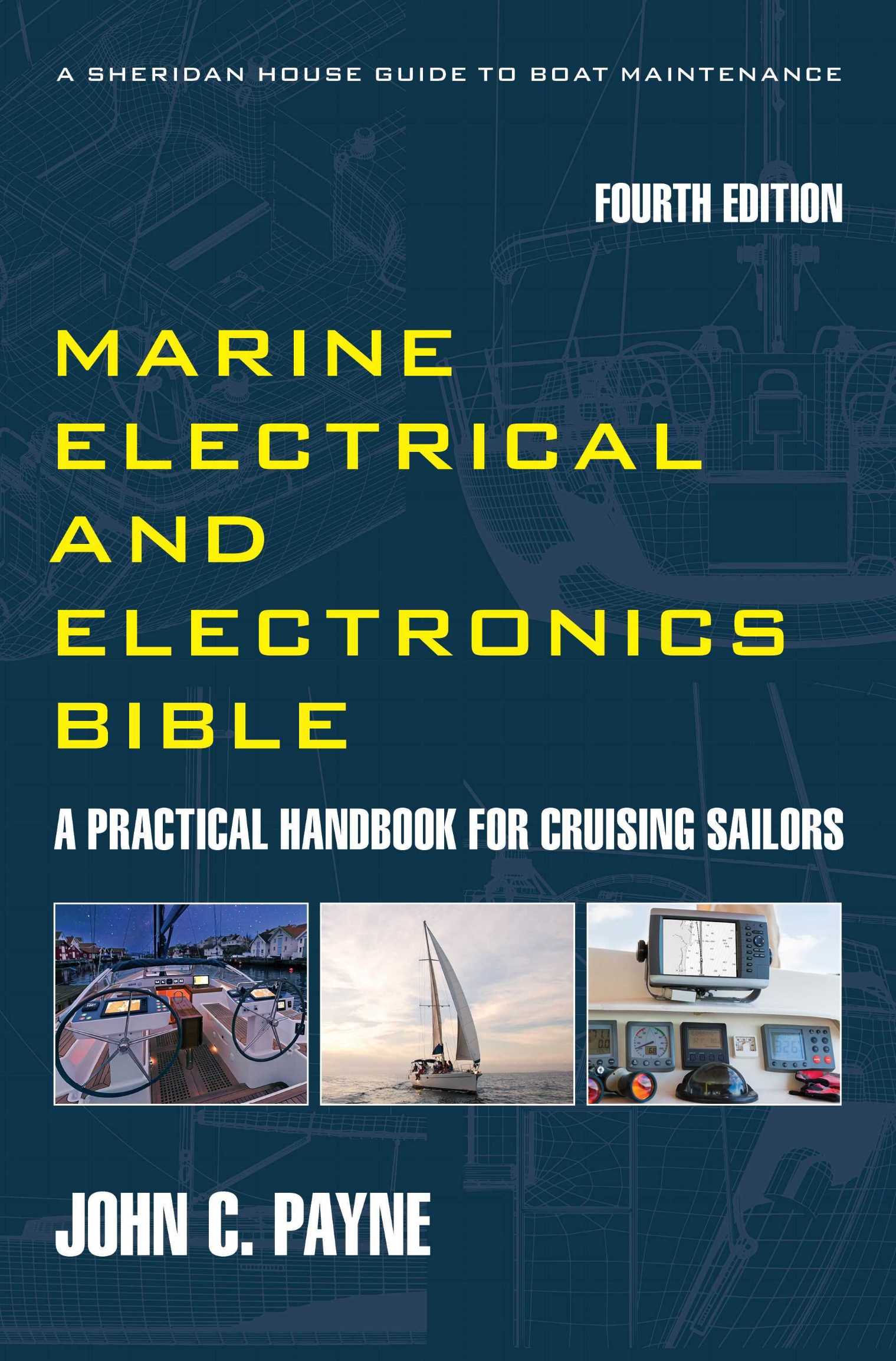
Reliable marine electrical and marine electronics installations require a holistic systems approach. This is all about good planning, quality equipment, simple systems design and competent installation. These course modules and my marine electrical and electronics books are all written to meet the practical requirements of the cruising yacht and power boat owner. Electrical and electronics theory is covered only to a level sufficient to properly select, install, operate, maintain and troubleshoot with a minimum of technical expertise or theory. The course is supported by The Marine Electrical and Electronics Bible 4th Edition which is your all-in-one repair manual, service manual, user manual, instruction manual and training manual.

Mechanical and Electrical Repairs
Resource
LEARN EVERYTHING ABOUT ALL OF THE BOAT SYSTEMS! If you are headed somewhere remote consider the need to expand your knowledge base or have an information resource on board. Why not get a copy of my book The Marine and Electrical and Electronics Bible 4th Edition. By and for yachties, with everything from batteries and charging, solar and wind, diesel engines and marine electronics and so much more. Your complete systems guide. 650 pages of practical advice. In Australia and New Zealand order a copy through Boat Books. UK and European boats can buy the UK Edition Here. US and Canadian boats can get the US Edition Order Here. Marine systems are my profession so let me help you. By a liveaboard boat owner for other boat owners


Sailing’s Catch‑22's (Because Boats Love Irony)
A lighthearted look at the paradoxes of cruising, and the practical lessons behind them. What is Catch 22 you ask? A Catch‑22 is a situation where the solution to a problem is blocked by the problem itself, a circular trap with no logical way out. You need one thing to get the other, but you can’t get the first thing without already having the second. It’s the classic “damned if you do, damned if you don’t” scenario. The term comes from Joseph Heller’s novel Catch‑22. In everyday life, and especially in sailing) a Catch‑22 is any paradox where the requirements contradict each other, leaving you stuck in a loop that feels both absurd and frustratingly familiar. How to Live on a Sailboat means being stoic, tenacious and being able to cope with most everything.