Sails on a Sailboat: A
Complete Beginner and Liveaboard Guide
Understanding the sails on a sailboat is one of the first major steps in becoming a confident cruiser or liveaboard sailor. Every sail has a specific purpose, and learning how they work together gives you control, efficiency, and safety on the water. For beginners, the terminology can feel overwhelming at first, mainsail, jib, genoa, staysail, spinnaker, Code Zero, but once you understand the role of each sail and when to use it, the entire sail plan becomes intuitive. This guide breaks down every major sail type in clear, practical language, with a focus on what new sailors and future liveaboards need to know when choosing, handling, and maintaining sails for real‑world cruising.
For anyone preparing to live aboard a sailboat, the sail plan becomes part of daily life. You’ll reef the mainsail in rising winds, furl the genoa when approaching an anchorage, hoist a downwind sail on long passages, and rely on storm sails when conditions deteriorate. The goal of this guide is to give beginners a solid foundation in how sails work, how different sails affect performance, and how to choose the right combination for a safe, comfortable cruising lifestyle. Whether you’re learning to sail, upgrading a newly purchased yacht, or planning a long‑term liveaboard setup, this article provides the essential knowledge you’ll use every time you leave the dock.
What Sails Do on a Sailboat
(Beginner Explanation)
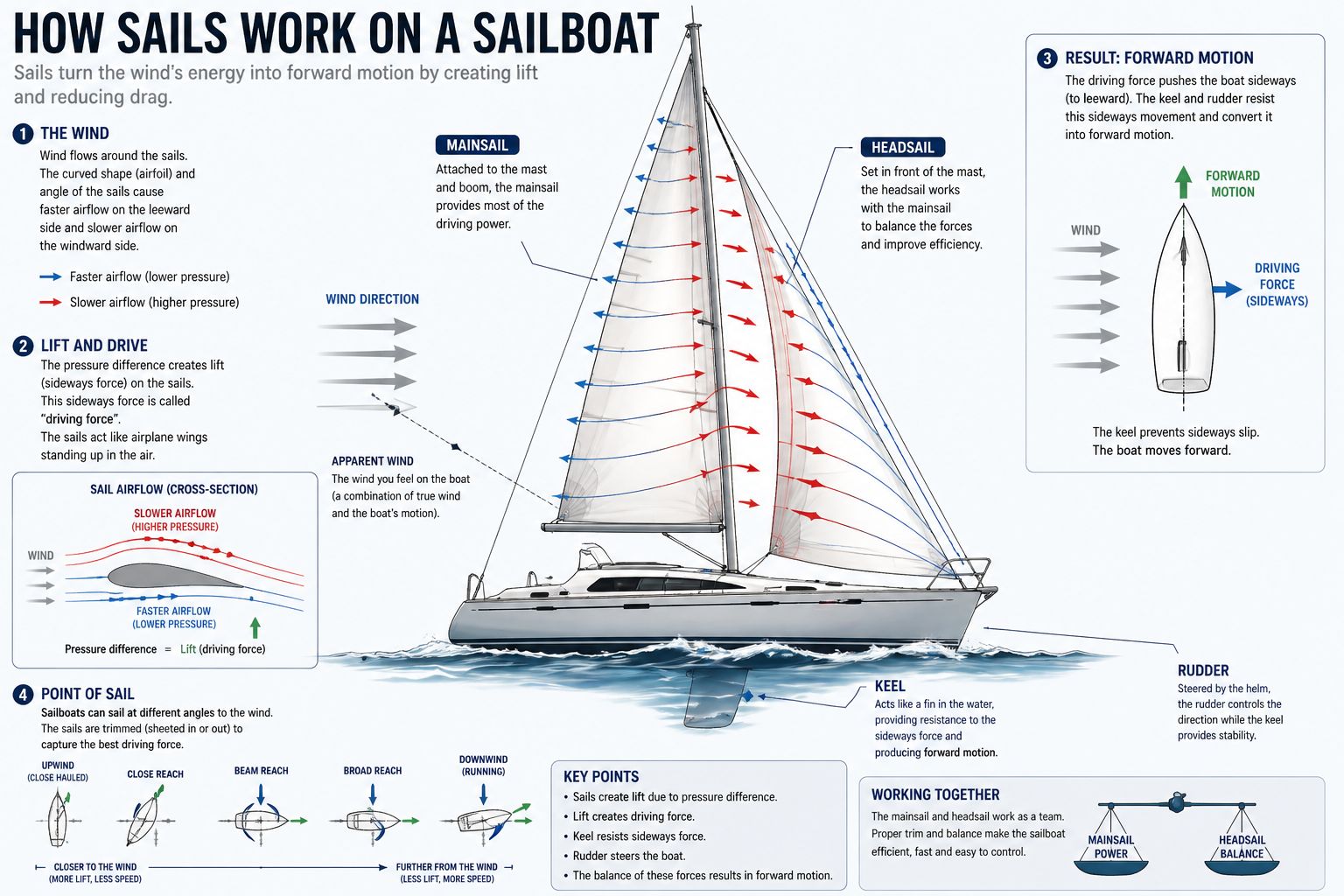
At the most basic level, sails are wings. They generate lift as wind flows across them, pulling the boat forward. The mainsail provides the majority of the power, while the headsail balances the sail plan and improves efficiency. For beginners, the key idea is that sails don’t just “catch wind”, they shape it. Trim, angle, and sail choice all determine how efficiently the boat moves. Liveaboards quickly learn that good sail handling reduces strain on the rig, improves comfort, and makes long passages easier.
The Mainsail: Primary Power
for Cruising Sailboats
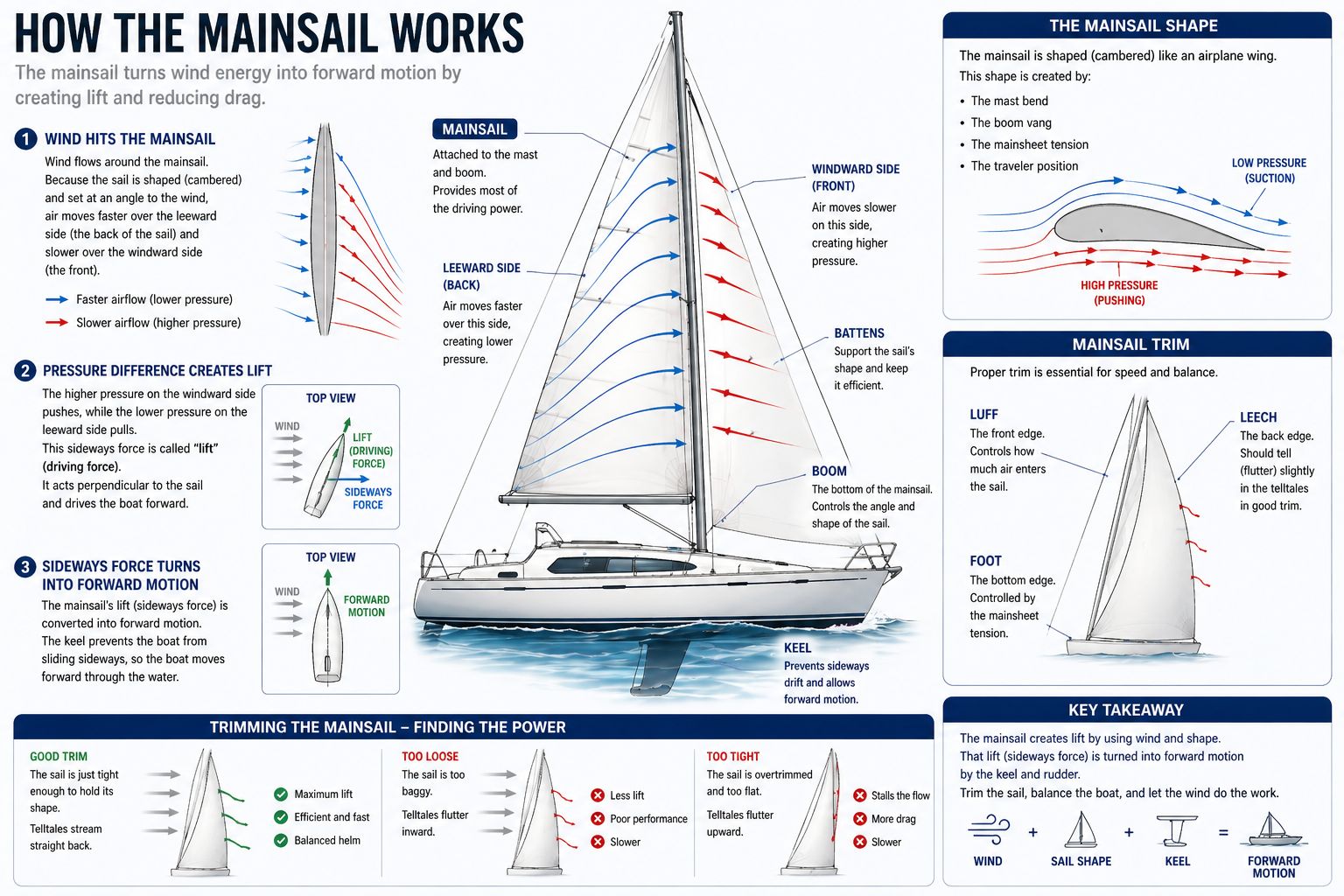
The mainsail is the backbone of the sail plan. It provides most of the drive, stabilises the boat, and remains hoisted in nearly all conditions except heavy storms. Beginners should focus on understanding how to reef the mainsail, how to control sail shape with the outhaul and vang, and how to depower the sail when the wind increases. For liveaboards, a reliable mainsail with strong stitching, good battens, and a simple reefing system is essential. Most cruising yachts use slab reefing or in‑mast furling, each with advantages depending on sailing style and maintenance preferences. Key aerodynamic parameters include camber (depth), draft position, twist, and angle of attack. Deeper sails generate more power in light air, while flatter sails reduce drag and heeling in stronger winds. Effective sail trim continuously balances power, pointing ability, and vessel stability.
The Headsail: Jib vs Genoa for Beginners and Liveaboards
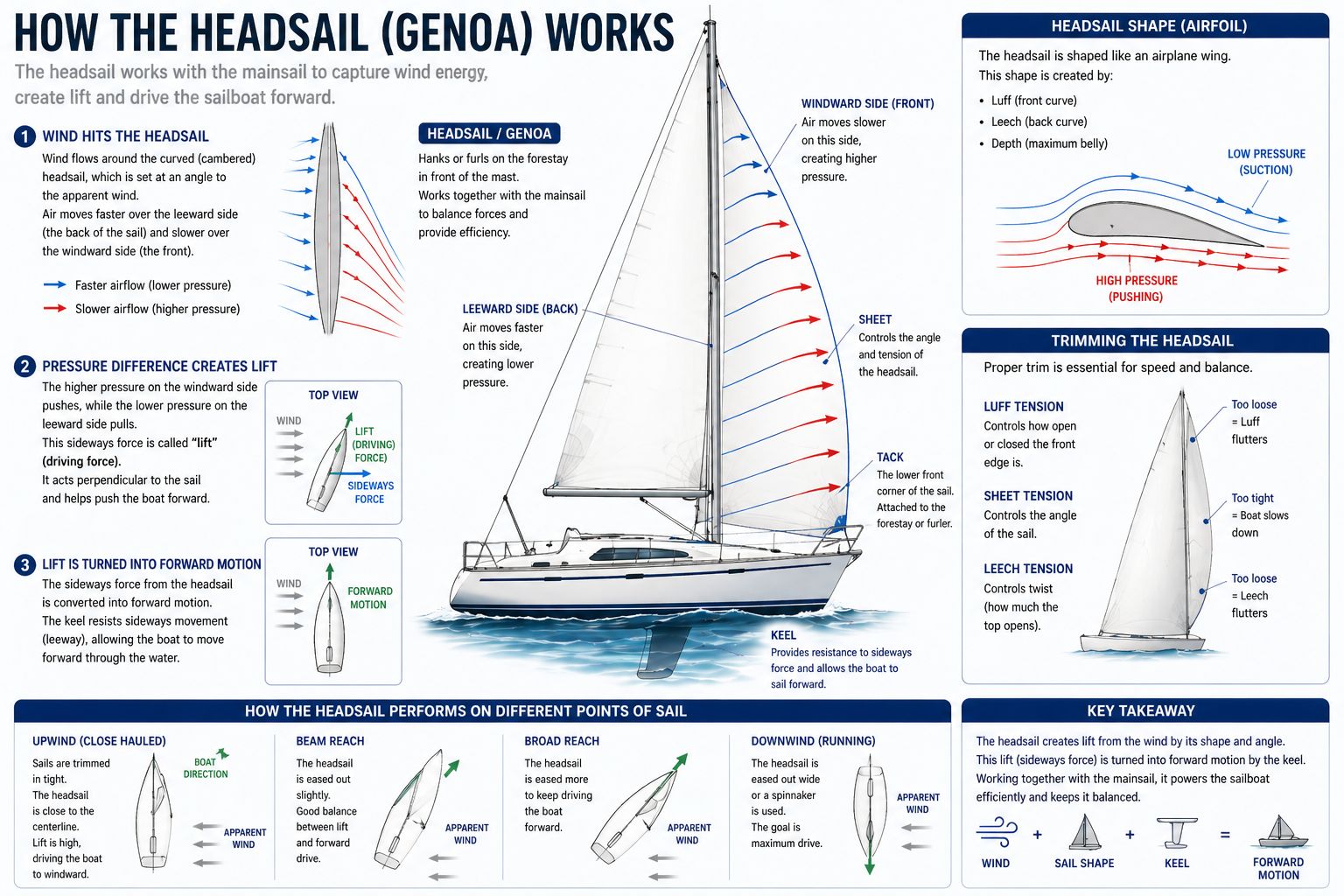
The headsail is the sail at the front of the boat, and it comes in two main forms: the jib and the genoa. A jib is smaller and easier to handle, making it ideal for beginners and for cruising in stronger winds. A genoa overlaps the mast and provides more power in light to moderate conditions, which is useful for passagemaking and downwind sailing. Liveaboards often choose a 120–135% genoa for versatility, but many modern cruising boats now use non‑overlapping jibs for simplicity. Understanding the difference between these sails helps beginners choose the right headsail for their sailing area and comfort level.
Sails on a Sailboat Sail - Materials
Material selection has a direct influence on sail longevity, shape retention, and cost. The most common materials include the following:
- Woven polyester (Dacron): Widely used for cruising sails due to its durability, UV resistance, and cost-effectiveness. While it gradually stretches over time, it remains stable and forgiving.
- Laminate sails: Constructed from multiple layers bonded together, often incorporating high-strength fibers such as aramid, carbon, or Dyneema. These sails offer superior shape retention but are more sensitive to UV exposure and handling damage.
- Woven high-modulus fabrics: Advanced woven materials aim to combine the durability of Dacron with improved performance characteristics.
Cruising sailors often prioritize predictable aging and resistance to abuse, while racing sailors emphasize shape stability and weight savings.
Staysails and
Inner Forestay Sails on Cruising Boats
Some cruising yachts, especially cutter‑rigged boats, carry a staysail on an inner forestay. This sail is smaller and sits closer to the mast, making it extremely useful in strong winds. Beginners often overlook staysails, but liveaboards quickly learn their value: they balance the boat, reduce heel, and provide a stable, controllable sail plan when the genoa is too large. A staysail combined with a reefed mainsail is one of the most reliable heavy‑weather configurations for offshore cruising.
Downwind Sails Explained:
Spinnakers, Gennakers, and Code Zero
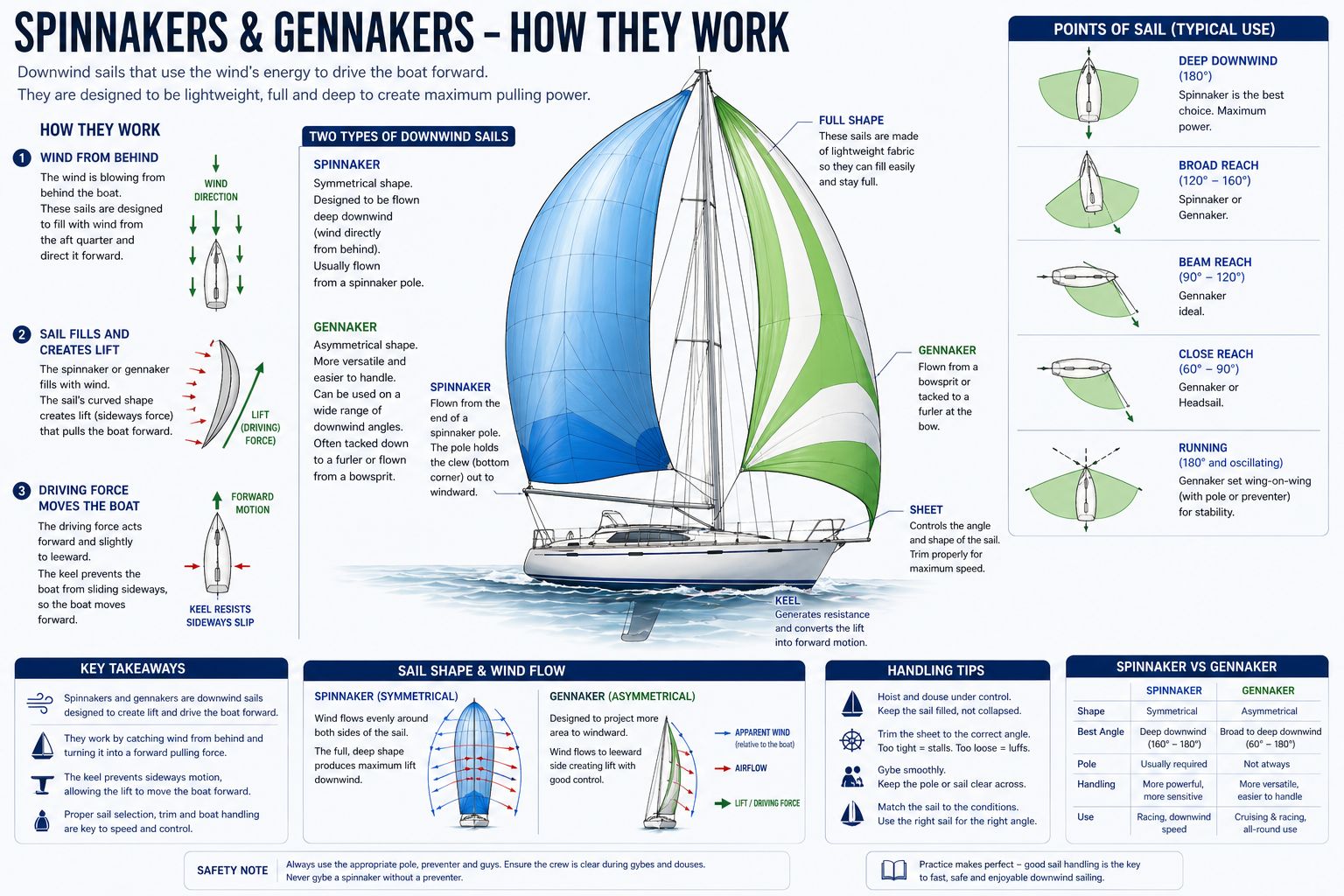
Downwind sails allow a cruising yacht to move efficiently when the wind is behind the boat. For beginners, these colourful sails can seem intimidating, but they dramatically improve comfort and speed on long passages. A spinnaker is powerful but requires more skill to handle, while a gennaker or asymmetric spinnaker is easier for beginners and liveaboards to manage. The Code Zero is a hybrid sail that works well in light winds and on reaching angles, making it a favourite among modern cruisers. Choosing the right downwind sail depends on your sailing style, crew size, and confidence level
Storm Sails for Offshore
Cruising and Liveaboard Safety
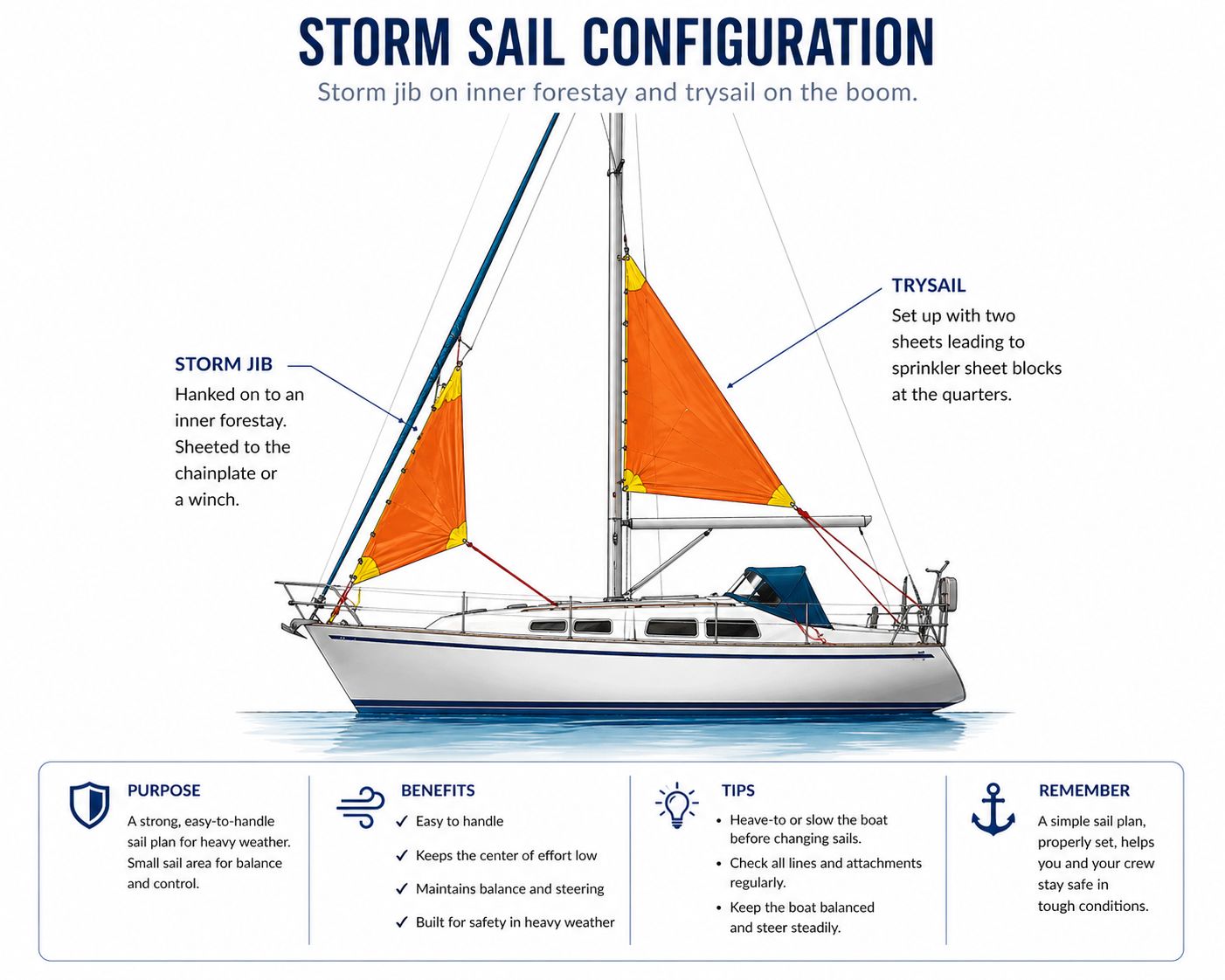
Storm sails are essential for offshore liveaboards. A storm jib and trysail provide a safe, controllable sail plan when conditions deteriorate beyond the limits of the mainsail and genoa. Beginners rarely encounter these sails early on, but anyone planning to cruise full‑time should understand how they work, where they are stored, and how to deploy them quickly. Storm sails are small, heavily reinforced, and designed to keep the boat stable and manageable in extreme winds.
Sails on a Sailboat - Sail Control and Reefing
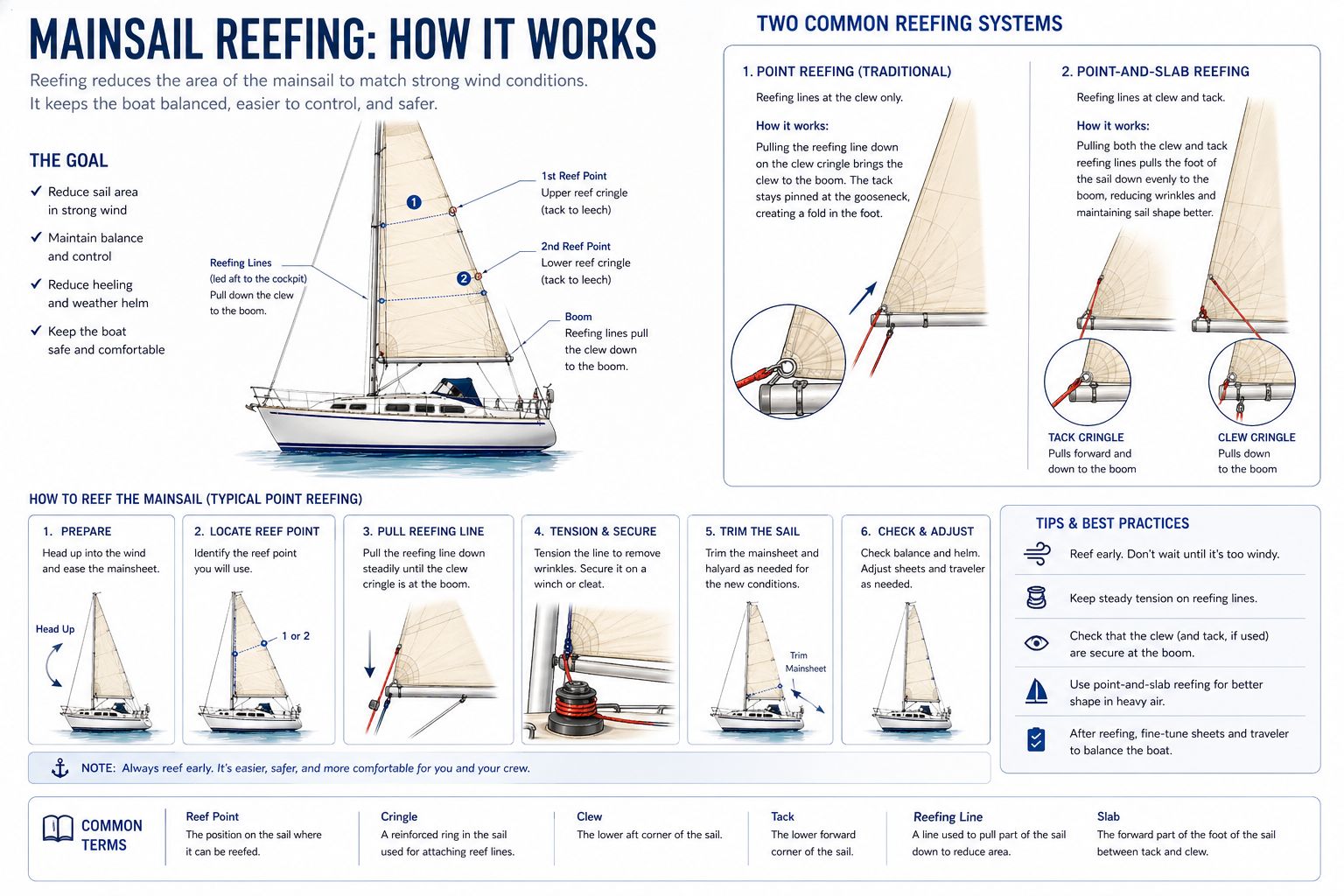
Reducing sail area as wind strength increases is critical for safety and control. Reefing systems allow the mainsail to be partially lowered and secured, decreasing exposed area while maintaining balance. Common systems include slab reefing and in-boom or in-mast furling.
Headsails are almost always controlled using roller furling systems, which allow sail area to be adjusted from the cockpit. While convenient, partially furled headsails may exhibit compromised shape, particularly if not designed for reefing.
Storm conditions require purpose-built sails such as storm jibs and trysails, constructed from heavy-duty fabric with high visibility colors (mine are bright orange) and strong attachment points.
Choosing the Right Sails for a
Liveaboard Sailboat
Selecting sails for a liveaboard lifestyle is different from choosing sails for weekend sailing. Liveaboards need durability, versatility, and ease of handling. A typical liveaboard sail plan includes a reliable mainsail with two or three reef points, a furling genoa or jib, a staysail for heavy weather, and one downwind sail for long passages. Beginners should focus on simplicity first, adding specialised sails only when they feel confident. Sailcloth quality, UV protection, and stitching strength matter more for liveaboards than for casual sailors, because the sails spend far more time exposed to the elements.
Sails on a Sailboat - Sail Handling Systems
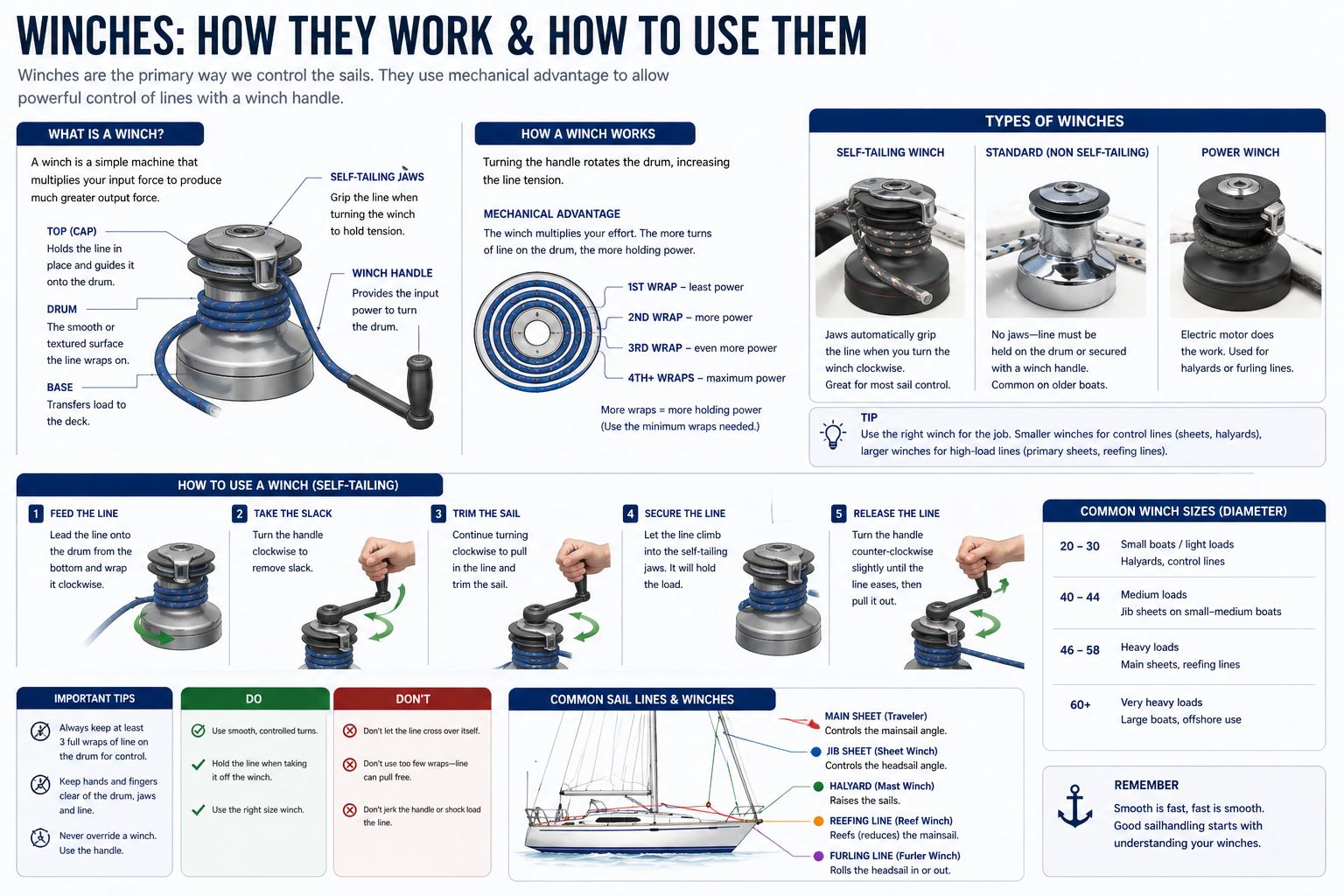
Modern sailboats rely on a range of hardware systems to control sails efficiently. These include halyards, sheets, travelers, vangs, and furling mechanisms. The layout and mechanical advantage of these systems affect both sail performance and crew workload.
Electric or hydraulic winches are increasingly common on larger cruising yachts, but manual self tailing systems remain prevalent due to simplicity and reliability. Regardless of system type, smooth load paths and proper alignment are essential to prevent chafe and mechanical failure.
How Beginners Can Learn Sail
Handling Safely
Learning to handle sails safely is a gradual process. Beginners should start with short, simple outings in moderate conditions, focusing on hoisting, trimming, reefing, and furling. Liveaboards benefit from developing consistent routines: checking halyards, inspecting stitching, monitoring chafe, and reefing early. Confidence comes from repetition, and the more time you spend adjusting sails, the more intuitive the process becomes. Understanding how each sail behaves in different wind angles and strengths is the foundation of safe cruising.
Sail Wear, Aging, and Maintenance
Sails are exposed to UV radiation, salt, mechanical stress, and cyclic loading. Over time, these factors cause fiber fatigue, resin breakdown, and loss of shape. Common signs of sail aging include excessive draft, leech flutter, and difficulty maintaining trim.
Preventative maintenance includes regular inspection, prompt repair of small tears, washing salt deposits with fresh water, and using sail covers when not underway. Periodic professional inspection by a sailmaker can extend service life and improve performance.
Matching Sails to the Boat and Usage
Effective sail selection depends on hull design, rig configuration, displacement, and intended use. A heavily loaded cruising yacht benefits from robust, slightly flatter sails that tolerate higher loads, while a lightweight performance boat may exploit more aggressive shapes. Equally important is matching sails to the crew’s skill level and sailing style. Easy reefing, predictable handling, and durability often outweigh marginal performance gains for long-distance cruising sailors.
Sails on a Sailboat Summary
For beginners and aspiring liveaboards, understanding the sails on a sailboat is the key to safe, confident cruising. Each sail, from the mainsail and jib to the staysail, spinnaker, and storm sails, plays a specific role in powering and balancing the boat. Learning how these sails work, when to use them, and how to maintain them gives you the skills needed to handle a cruising yacht in real‑world conditions. With the right sail plan and a solid understanding of sail handling, beginners can progress quickly, and liveaboards can enjoy a safer, more comfortable life at sea.
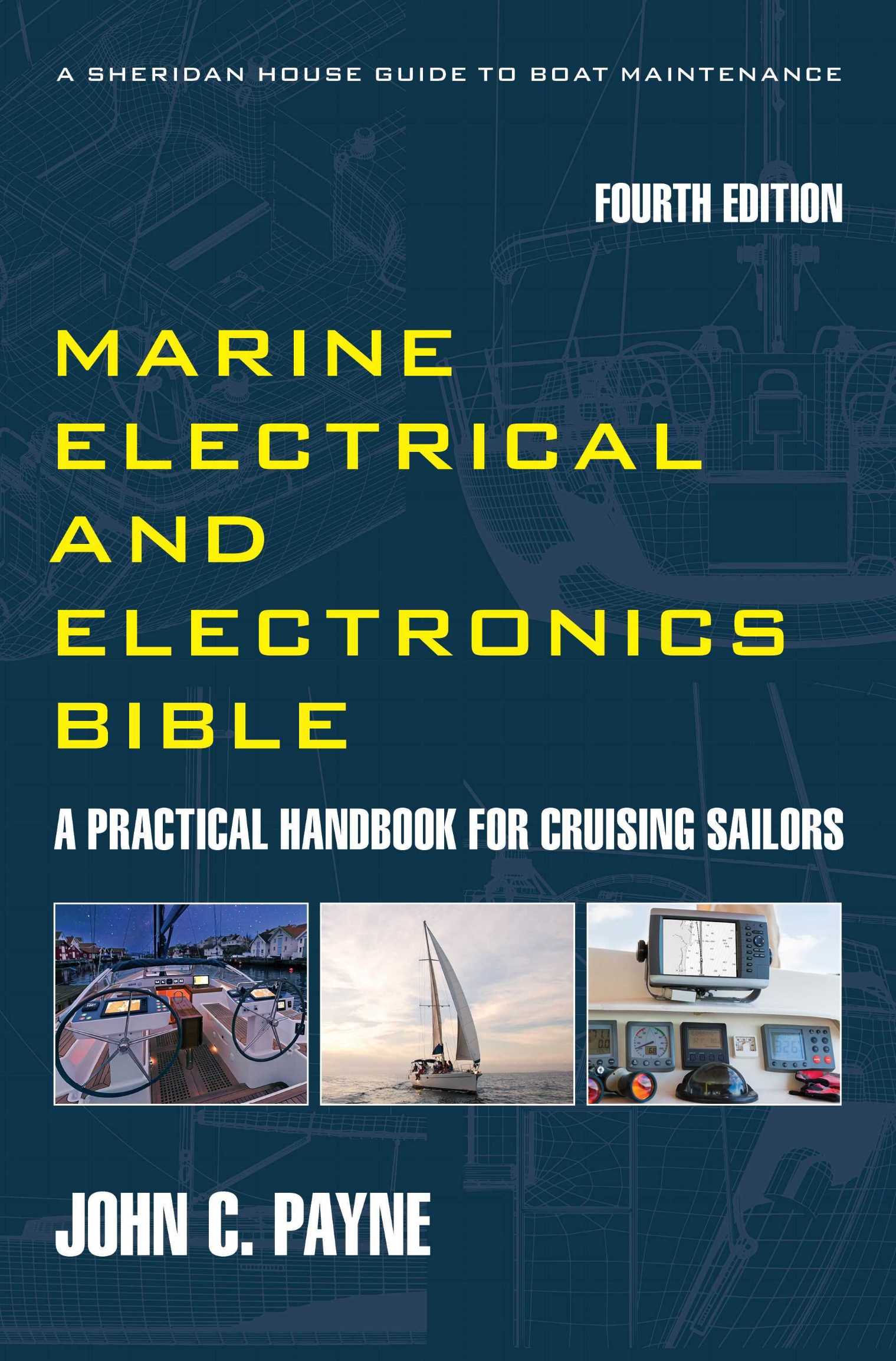
On vacation but worn out within the first few days? Stuck in weather with long windward legs to your destination, lots of tacking and sail trimming to get there? Whoever coined the phrase “Gentlemen don’t sail to windward” never went cruising, because sometimes you have no choice and not all sailing is trade wind sailing. It is inevitable much like the proverbial death and taxes. You get to know very quickly how out of condition you are and how any energy saving equipment would be great. There are reasons why some of those top ocean racing yachts have trimmers that are all muscle. Years ago, I did do a spell on an ocean racing yacht doing this and found it extremely challenging. For more technical details and information on electric deck winches check out the chapter in my book The Marine Electrical and Electronics Bible, now in its 4th Edition completely updated and revised.
Mechanical
and Electrical Repairs Resource
If you are headed somewhere remote consider the need to expand your knowledge base or have an information resource on board. Why not get a copy of my book The Marine and Electrical and Electronics Bible 4th Edition. By and for yachties, with everything from batteries and charging, solar and wind, diesel engines and marine electronics and so much more. Your complete systems guide. 650 pages of practical advice. In Australia and New Zealand order a copy through Boat Books. UK and European boats can buy the UK Edition Here. US and Canadian boats can get the US Edition Order Here. Marine systems are my profession so let me help you. By a liveaboard boat owner for other boat owners


Sails on a Sailboat
The sails on a sailboat are also subject to continual technology advances. Look at any ocean racing fleet with all those black sails made from exotic materials. Sail repair takes on a new meaning if you are cruising although they are not generally used in that application. I recall the conversations with my North sailmaker about my requirement for a durable yet high performing headsail that could be reefed and still be useful. Thanks Vaughan at North Sails as the new mainsail and genoa are terrific, great shape and high quality. The genoa is installed on a Profurl 350 and one of the aims was to have some useful shape when partially furled. There are also many who opt for in-mast and in-boom mainsail furling systems which are great for short handed sail handling, although like anything there are drawbacks. It would be incomplete not to mention the subject or spinnaker and whisker poles along with deck stowage options for these, and some have poles installed vertically on mast tracks.
Sails on a Sailboat
Then I had the conversations with many others about views on Code 0 and asymmetric spinnakers and so on. Most I speak to with Code 0 with small furlers are always enthusiastic about them. I have my asymmetric from a previous boat which is in almost new condition made by a sailmaker friend and it suits perfectly. This was fitted with a Rolly Tasker spinnaker sock. I have always installed an inner forestay on previous boats and this was no different. When I had the mast pulled, overhauled and inspected I installed the hardware and halyard for a removable Dyneema inner forestay for a staysail. In the past I have used a storm jib and it was very useful so I am doing so again and is hanked on when required. I have seen a few cutter-rigged boats with furlers doing the same task and that is a very useful setup. Of course, there are many who have older boats who want to upgrade their systems. Have to say I have been there and done that, and it is all about compromise and expectation management as some boat designs restrict what is possible. Then once all the sails are sorted, genoa tracks and cars and deck winches covered, sheet and line geometry resolved we get to the most interesting subject of improving one’s sail handling and sail trimming techniques and abilities. More about parts of a sailboat sail elsewhere along with masts and rigging, reefing, sail trim and sail repairs. The whole subject of how to sail a sailboat is simple but also complex with so many variables.
Sails on a Sailboat
Sails are complex, load-bearing aerodynamic structures that play a central role in the performance and safety of a sailboat. Their design reflects a balance between material science, structural engineering, and practical seamanship. By understanding sail types, construction methods, materials, and handling systems, sailors can make informed decisions that improve efficiency, longevity, and enjoyment under sail. Know all about the sail on a sailboat in particular your own sails.