Tongyeong Yacht Cruising Guide
Tongyeong Yacht Cruising Guide. Tongyeong sits deep within a sheltered island group on South Korea’s south coast, offering visiting yachts a dependable combination of calm approaches, predictable traffic, and straightforward access to essential services. The harbour is busy but manageable, and the city provides everything required for coastal transits, including berthing, provisioning, technical support, and crew logistics. Its location makes it a natural stop between Geoje, Busan, Namhae, and the Korea Strait.
The city’s maritime infrastructure is built around fishing, ferries, and small‑vessel operations, but two marina facilities provide reliable berthing for yachts. Provisioning is excellent, with large supermarkets, traditional markets, and well‑stocked fish markets all within easy reach. Tongyeong is not a luxury yachting destination, but it excels as a practical, efficient port where crews can reset, repair, and prepare for onward passages.
Tongyeong Yacht
Cruising Guide - Entry Protocols
Foreign yachts arriving in Tongyeong follow standard South Korean entry procedures. Clearance is normally completed at designated ports such as Busan or Jeju before moving domestically to Tongyeong. Once cleared into the country, no additional formalities are required for arrival. Local harbour authorities may request basic vessel information when arranging berthing at Donam Marina. AIS use is highly recommended due to ferry and fishing traffic.
Tongyeong Yacht
Cruising Guide - Navigation
Approaches to Tongyeong are well marked with commercial‑grade navigation aids. The outer islands break swell early, providing reliable shelter. Depths are consistent throughout the channels. Traffic includes ferries, fishing vessels, and small commercial craft, but movements are predictable. Entry is straightforward in daylight and manageable at night with caution. Localised currents may be present near narrow passages, though tidal streams are generally modest.
Tongyeong Yacht
Cruising Guide - Local Weather
Tongyeong experiences mild winters, warm summers, and moderate humidity. Spring and autumn offer the most stable conditions. Summer brings occasional fog and haze, particularly in the early morning. Typhoon season runs from July to September, with the surrounding islands providing good natural protection, though marina staff should be consulted for storm procedures. Winds are typically light to moderate, with stronger northerlies in winter.
Tongyeong Yacht
Cruising Guide - Anchorages
Anchoring options within Tongyeong are limited due to traffic density, fishing activity, and seabed usage. Short‑term anchoring may be possible in designated areas with local guidance. Holding is generally good in mud. Not recommended for extended stays due to ferry routes and fishing operations. Most visiting yachts use marina berths rather than anchoring.
Tongyeong Yacht
Cruising Guide - Berthing &
Marinas
Tongyeong Marina Resort (Kumho Tongyeong Marina). The primary yacht facility in Tongyeong. Modern floating pontoons, secure gated access, CCTV, and reliable depths. All berths have potable water and shore power. Well protected in all conditions. Located beside the resort complex with easy access to cafés, small shops, and transport. Best option for longer stays, crew changes, and maintenance periods.
Donam Marina / Tongyeong Yacht Facilities. Work‑focused marina close to the main harbour. Floating pontoons with water and shore power available. Access coordinated through local authorities. Ideal for short technical stops, resupply, and quick access to marine contractors and small‑vessel yards. Simple but reliable.
Tongyeong Yacht
Cruising Guide - Provisioning
Supermarkets: Tongyeong has several large supermarkets suitable for full provisioning. E‑Mart Tongyeong Branch is the largest and most comprehensive option. Full fresh produce, bakery, meat, dry goods, beverages, household supplies, and basic imported items. Lotte Mart Tongyeong is good for bulk provisioning, packaged goods, snacks, drinks, and general supplies. Homeplus Express Tongyeong is smaller but convenient for quick top‑ups, fresh items, and essentials. CU, GS25, and 7‑Eleven are located throughout the marina districts. Useful for snacks, drinks, ice, SIM cards, and last‑minute items.
Traditional Markets: Traditional markets offer fresh produce, vegetables, fruit, tofu, noodles, and local specialties. Tongyeong Jungang Market is the main central market with excellent fresh produce and prepared foods. Seoho Market is smaller but reliable for vegetables, fruit, and daily staples.
Fish Markets: Tongyeong is known for its seafood, and the fish markets offer high‑quality local catch. Tongyeong Fish Market (Jungang Market Waterfront) has the best selection of fresh fish, shellfish, squid, and seasonal species. Vendors will clean and prepare fish on request. Dongpirang Fish Stalls are smaller cluster of waterfront vendors offering quick purchases and good‑quality local catch.
Tongyeong Yacht
Cruising Guide - Diesel Fuel
There is no yacht‑specific fuel dock. Diesel is supplied by truck delivery arranged through the marina or harbour office. Fuel quality is commercial‑grade and reliable. Advance notice is recommended, especially during busy fishing periods.
Tongyeong Yacht
Cruising Guide - Fresh Water
Potable water is available at both marinas with good pressure. Water quality is consistent and suitable for tank filling. No known seasonal restrictions.
Mechanical and Electrical Repairs
Resource
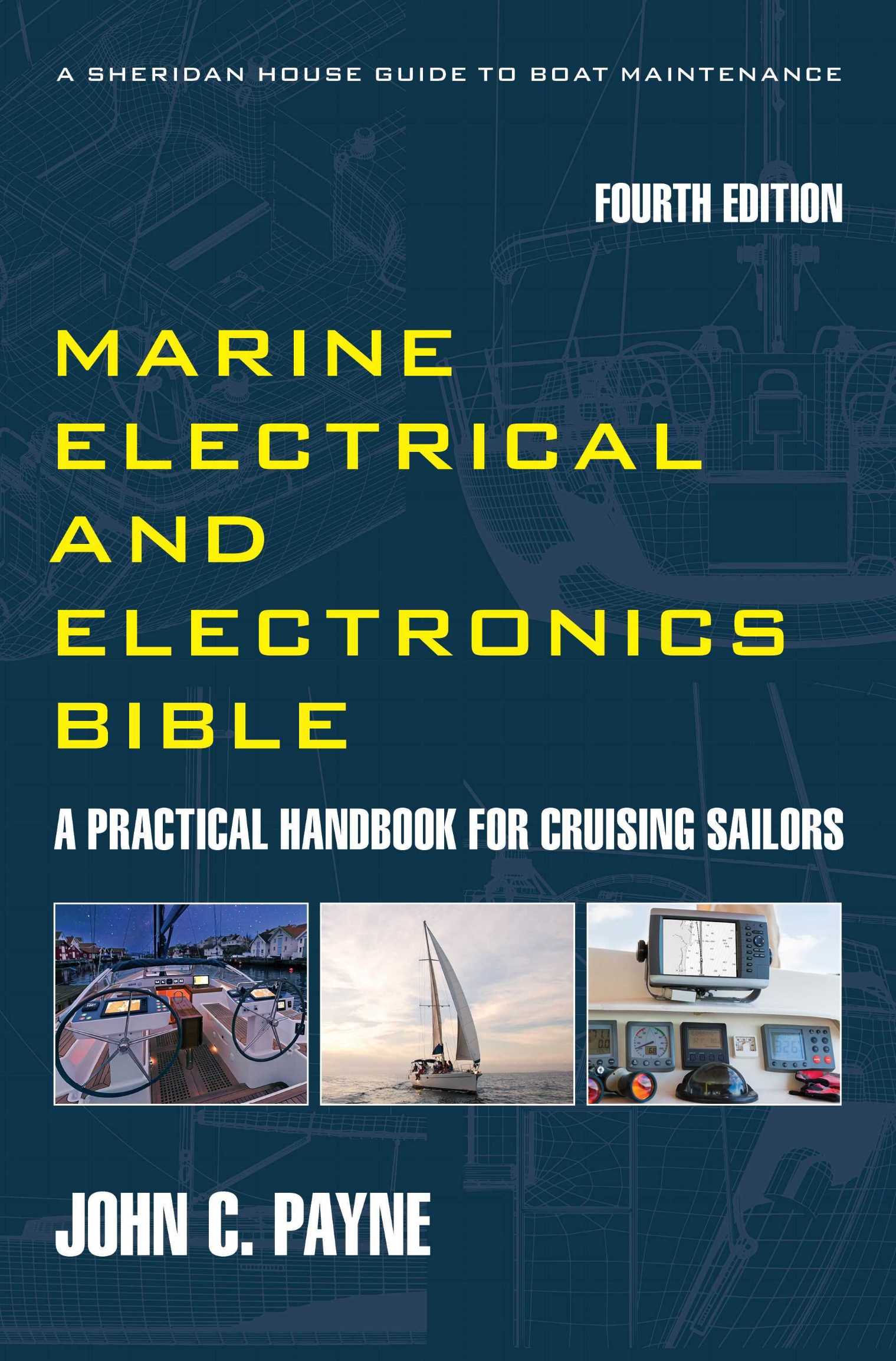
If you are headed somewhere remote consider the need to expand your knowledge base or have an information resource on board. Why not get a copy of my book The Marine and Electrical and Electronics Bible 4th Edition. By and for yachties, with everything from batteries and charging, solar and wind, diesel engines and marine electronics and so much more. Your complete systems guide. 650 pages of practical advice. In Australia and New Zealand order a copy through Boat Books. UK and European boats can buy the UK Edition Here. US and Canadian boats can get the US Edition Order Here. Marine systems are my profession so let me help you. By a liveaboard boat owner for other boat owners

Tongyeong Yacht
Cruising Guide - Mechanical &
Electrical Services
Tongyeong’s small‑vessel yards support the local fishing fleet and provide dependable mechanical and electrical services. Routine engine maintenance, cooling‑system repairs, fuel‑system troubleshooting, and alternator or starter‑motor servicing available locally. Small‑part fabrication possible through nearby workshops. Electrical includes wiring repairs, battery replacements, charging‑system diagnostics, and shore‑power troubleshooting available. More specialised yacht systems may require technicians from Busan or Geoje. Marine electronics: Basic troubleshooting available locally. Advanced navigation or autopilot repairs typically require external technicians. Parts can be couriered quickly from Busan, Changwon, or Seoul. No dedicated yacht haul‑out facility. Limited options may exist through small‑vessel yards depending on vessel size. Haul‑out more reliably arranged in Geoje or Busan.
Tongyeong Yacht
Cruising Guide - Local Culture
Tongyeong is known for its maritime heritage, coastal scenery, and traditional markets. The city has a relaxed, welcoming atmosphere with a strong connection to fishing and seafood. The waterfront is lined with small restaurants, cafés, and local shops. Cultural attractions include the Dongpirang Mural Village, Tongyeong Bridge viewpoints, and local craft workshops.
Tongyeong Yacht
Cruising Guide - Local Cuisine
Tongyeong’s cuisine is seafood‑focused, with several regional specialties. Ggulbbang (Honey Bread): Local sweet bread popular with visitors. Chungmu Gimbap: Rice rolls served with spicy squid and radish kimchi. Seafood Hotpot: Common in waterfront restaurants. Fresh sashimi: Readily available at fish markets and small eateries. Seafood quality is excellent due to the city’s fishing‑fleet infrastructure. Oysters, fresh or steamed, as Tongyeong has a pearl industry and oysters. Tongyeong Port is surrounded by oyster-focused restaurants, especially around Gangguan Harbor. Winter is peak oyster season, and Tongyeong’s oysters are prized for their clean, briny-sweet flavor.
Oysters and Tongyeong
Tongyeong is the powerhouse of
South Korea’s oyster industry, producing roughly 80% of the nation’s oysters
and anchoring both domestic supply and a growing export strategy. The region’s
sheltered ria coastline, long-line farming systems, and dense cluster of
aquaculture facilities make it the country’s undisputed oyster capital. South Korea produces 260,000
tons of oysters annually, and Tongyeong accounts for the vast majority, at about
80%. The coastline around Tongyeong is
dotted with long-line oyster farms, visible from satellite as grid-like
patterns. Oysters are grown suspended from ropes held by buoys. The region has
been an oyster-producing hub since the 1960s, evolving into one of the world’s
most productive oyster aquaculture zones. Korean Pacific oysters peak in flavor
November–March, when cold waters increase fat and richness. Tongyeong and
nearby Geoje are the main winter oyster destinations.
Eating Tongyeong Oysters
Tongyeong locals treat oysters as a winter staple, and the region has developed one of the richest oyster food cultures in Korea. Most dishes highlight freshness, clean brine, and simple seasoning. The cold months (November–March) are peak season, and nearly every market and harbor-side eatery serves multiple oyster preparations. How Tongyeong People Eat & Cook Oysters. Gulbap (Oyster Rice) is the signature local dish. Steamed rice topped with fresh oysters, soy seasoning, sesame oil, and seaweed. Served piping hot in winter and considered the most “Tongyeong” way to enjoy oysters. Guljeon (Oyster Pancakes). Fresh oysters lightly dusted in flour, dipped in egg, and pan‑fried. Served with soy–vinegar dipping sauce. Seasoned Raw Oysters (Gul Muchim), are raw oysters mixed with gochugaru, garlic, sesame oil, and sliced vegetables. Oyster Soup & Stews. Gulguk (oyster soup): Clear broth with radish, kelp, and oysters. Gul-tang or oyster hotpot: A heartier version with tofu, vegetables, and chili. Oyster Hot Stone Bibimbap is a variation of gulbap served in a sizzling dolsot bowl. Oysters crisp slightly on the edges while the rice forms a crunchy crust. Raw Oysters Wrapped in Cabbage (Seasonal Specialty) is a winter tradition: wrap raw oysters + sliced pork + kimchi inside napa cabbage leaves. Grilled Oysters, less common than raw or steamed, but still found in winter pop‑up stalls. Often grilled in the shell over charcoal with a touch of butter or soy. Oyster Noodles (Gulguksu). Wheat noodles in a light broth topped with oysters.
My absolute Favorite. Steamed oysters are absolutely part of Tongyeong’s winter food culture, and locals prepare them in a very simple. These are served this way in restaurants. The unopened oysters are placed directly in a large pot with about 1 cup of water. The big pot is then covered and steam/boil for 10–15 minutes on a portable hotplate until they open and release their own briny liquor. You then eat them straight from the hot oyster shells and dip them in cho‑gochujang (vinegar chili paste) and then wrap in lettuce or perilla leaves. Heaven!
Tongyeong Yacht
Cruising Guide - Summary
Tongyeong provides visiting yachts with reliable shelter, clear approaches, and practical access to all essential services. Two marina options offer secure berthing, while provisioning is excellent thanks to large supermarkets, traditional markets, and well‑stocked fish markets. Diesel is delivered by truck, fresh water is readily available, and mechanical and electrical support is dependable through local fishing‑fleet contractors. The city’s relaxed coastal culture and strong seafood traditions make it an enjoyable and efficient stop for yachts transiting South Korea’s south coast. The Tongyeong Yacht Cruising Guide has everything you need.