Cooking on a
Sailing Boat - An Introduction to Galley Life
Cooking on a sailing boat involves more than adapting recipes to a smaller kitchen. Available workspace, food storage, refrigeration, cooking fuel and freshwater supplies determine what can be prepared and how the galley operates. Underway, the boat’s movement adds another consideration: a meal that is straightforward alongside may be difficult to prepare safely when the yacht is heeled or pitching. Understanding these constraints helps you organise the galley and plan meals around the conditions.
Food preparation is part of daily life aboard, whether you live in a marina, remain at anchor or make extended passages. This section of my sailboat liveaboard website introduces the practical decisions involved, from selecting equipment and storing provisions to cooking underway and using local ingredients. It leads to the yacht galley cooking hub, where the individual guides cover these subjects in greater detail.
Cooking on a Sailing
Boat - Working With the Galley You Have
Most boat owners inherit a galley layout rather than design one. The position of the cooker, sink, refrigerator and lockers determines how food preparation works. Before buying more equipment, establish where you can stand securely, which surfaces remain usable during cooking and how frequently needed items can be reached.
A galley becomes difficult to use when every task requires moving something else. A chopping board stored beneath several pans, an inaccessible food locker or a worktop occupied by appliances creates unnecessary handling. Organisation should reduce these movements and keep essential working space available.
Storage also needs to remain secure when the boat moves. Equipment that stays in place alongside may slide, fall or prevent a locker closing properly underway. The arrangement must work beyond the marina.
Choosing Equipment
That Earns Its Space
Consider whether pans fit the cooker, whether lids and handles can be managed safely and where each item will be stowed after use. Several pieces of equipment performing the same task can consume space needed for provisions.
The cooking installation also sets limits. Gas, alcohol and electrical appliances have different requirements for fuel storage, ventilation, installation and energy supply. An appliance that works conveniently on shore power may impose a substantial demand on batteries and the inverter at anchor.
Select equipment around the whole cooking process, including preparation and washing up. A device that saves cooking time but requires extensive cleaning may offer little benefit where freshwater and sink space are restricted.
Cooking on a Sailing
Boat - Planning Meals Around Conditions
Meal planning starts with the passage and the people aboard. Crew numbers, dietary requirements, watch arrangements and the expected conditions influence both ingredients and preparation. The amount of time someone can reasonably spend below matters as much as the cooking time.
At anchor, there may be time to bake, prepare several dishes or process fresh ingredients. Before a passage, it is useful to prepare food that can be served with little additional handling. Meals requiring several pans, prolonged frying or repeated draining of hot water may be unsuitable when conditions deteriorate.
A practical plan also includes food that can be eaten without using the cooker. This provides an alternative when the crew is seasick, the galley is temporarily unavailable or the boat’s motion makes hot food preparation unsafe.
Cooking on a Sailing
Boat - Provisioning and Finding Stored Food
Provisioning involves matching purchases to available storage and a realistic pattern of consumption. Buying ingredients without considering complete meals can leave the boat carrying substantial food but few convenient combinations. Conversely, a rigid menu can become difficult to follow when local supplies differ from expectations.
Know where food is stored and make frequently used provisions accessible. Label containers clearly and arrange supplies so older stock is used first. An inventory is useful when provisions occupy several lockers, particularly where inspecting one locker requires unloading another.
Packaging needs attention as well. Choose containers that protect their contents, fit the available space and can be opened and closed without spilling. Include the storage and eventual disposal of packaging in the provisioning plan.
Cooking on a Sailing
Boat - Refrigeration, Water and Energy
Refrigeration capacity influences what you buy, how much you can store and when it must be used. Plan fresh food around the actual performance and usable space of the refrigerator. Keeping an inventory reduces unnecessary searching and helps identify ingredients that need attention.
Freshwater demand extends beyond drinking and cooking. Washing produce, cleaning utensils and washing dishes all contribute to consumption. Preparing ingredients together, using appropriately sized cookware and avoiding unnecessary utensils can reduce both washing and handling.
Cooking energy also belongs in the daily budget. Extended simmering, oven use and repeated kettle heating affect fuel or electricity consumption. The appropriate method depends on the installation and the boat’s available reserves.
Your Complete
Onboard Repair Resource
Why not get a copy of my book The Marine Electrical and Electronics Bible 4th Edition. In Australia, New Zealand or Asia/Pacific order a copy through Boat Books, UK and European and Mediterranean based boats can Order Here. For US, Canadian and Caribbean based boats can get the US Edition here or at Amazon. Marine systems are my profession so let me help you.

Cooking on a Sailing
Boat - Cooking Underway
Cooking underway requires an assessment of the boat’s motion and the work involved. Establish whether you can maintain a secure position, control the cookware and move food between the cooker and serving area. A gimballed stove does not remove the hazards associated with hot liquids or unsecured utensils.
Prepare the working area before lighting the cooker. Ingredients, utensils and serving containers should be accessible without reaching across hot pans. Keep the immediate area clear and avoid leaving knives or containers where sudden movement can displace them.
Conditions can change during preparation. If the task becomes unsafe, the meal plan needs to change. Having food available that requires little or no cooking removes pressure to continue using the galley simply because a meal was scheduled.
Cooking on a Sailing
Boat - Food Handling and Local Ingredients
Food handling remains important throughout purchasing, storage, preparation and serving. Confined space makes it necessary to plan how raw ingredients, utensils and ready-to-eat food move through the galley. Cleaning arrangements need to work with the water and refrigeration available.
Cruising also brings opportunities to buy unfamiliar produce or obtain seafood locally. Knowing the name of an ingredient is only the beginning. You may also need to establish how it is prepared, which parts are eaten and whether it suits the storage available aboard.
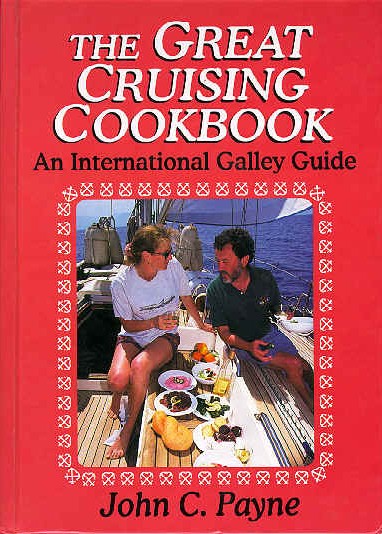
My galley pages include material developed from The Great Cruising Cookbook, alongside articles on provisioning, ingredients and food preparation. The aim is to help you use what is available rather than depend entirely on familiar products from home.


Cooking on a Sailing
Boat - Explore the Galley Cooking Guides
The yacht galley cooking hub links to the detailed material on galley safety, cooking in rough weather, seafood handling and tropical provisioning. It also introduces the fruit and vegetable references used when shopping in unfamiliar cruising destinations.
Use the hub to select the subject relevant to your boat or next passage. Start with working arrangements and safety if the galley is unfamiliar, then consider equipment, provisions and meal preparation. The individual articles develop the practical details without requiring you to work through every subject in sequence.
Cooking on a Sailing
Boat
Cooking on a sailing boat. A usable galley depends on secure working arrangements, accessible provisions and meals suited to the boat’s equipment and conditions. Planning food, water and cooking energy together reduces unnecessary work and waste. Keep alternatives available for occasions when cooking underway is impractical. Continue to the Yacht Galley Cooking hub for the guides supporting cooking on a sailing boat and all you need to know.