Whitsundays
Cruising Guide for Yachts
Whitsundays Cruising Guide for Yachts. The Whitsundays form the most protected and infrastructure‑supported cruising region on the Queensland coast, offering a dense network of anchorages, island passages and all‑weather refuges that allow yachts to move predictably in most conditions. The region includes Whitsunday Island, Hook Island, Hamilton Island, Long Island, South Molle, the Lindeman Group and the surrounding reef systems, with Airlie Beach and Shute Harbour providing the primary mainland access points. The coastline is shaped by the SE trade‑wind regime, localised sea breezes, tidal flow and the moderating influence of the Great Barrier Reef, which lies offshore and reduces swell. Skippers treat the Whitsundays as a sheltered cruising zone where anchorages, passages and daily movements can be planned with a high degree of confidence, provided wind direction, tide height and sea state are considered.
The Whitsundays are defined by their combination of deep, protected anchorages, short inter‑island passages and reliable shelter from the SE trades. The region’s infrastructure includes marinas at Hamilton Island, Airlie Beach and Shute Harbour, with fuel, water, provisioning and repairs available before yachts move into the islands. The coastline between anchorages is shaped by tidal flow, reef systems and the influence of localised weather patterns, and skippers rely on accurate charts and conservative routing to ensure safe navigation. The region’s predictable seasonal patterns, sheltered bays and extensive anchorage network make it one of the most accessible cruising grounds on the Great Barrier Reef, supporting both short‑range day sailing and extended multi‑week itineraries.
Keep a bow watch for bommies
(Bomboras)
Bommies is a common cruising term (especially in the Pacific and Australia) referring to isolated coral heads that rise abruptly from the seabed, often from deep water to just below, or just above, the surface. Bommies are one of the biggest navigational hazards in reef environments because they can be hard to see in poor light, they are scattered unpredictably across lagoon floors, they are steep‑sided, rising from 20–30 m to 1 m in seconds, they are uncharted or inaccurately charted. A single bommie can ruin a keel, rudder, or prop.
Whitsundays Cruising Guide for Yachts - Weather
The Whitsundays are dominated by the southeast trade winds, strongest from May to September. These winds shape anchorage selection, with western bays providing the most reliable overnight shelter. Eastern anchorages are workable only in light conditions or offshore winds.
During summer, winds become more variable, with northerlies and afternoon sea breezes influencing anchorage choice. The wet season brings squalls, thunderstorms, and reduced visibility, requiring conservative planning.
Tidal range is moderate but significant enough to affect shallow approaches, reef edges, and passages such as Hill Inlet. Strong tidal flow occurs in narrow channels, particularly around Hamilton and Dent Islands.
Whitsundays Cruising Guide for Yachts - Navigation
Navigation within the Whitsundays is generally straightforward, with well‑charted waters and clear separation between islands. Hazards include fringing reefs, shallow sandbanks, and tidal flow in constricted areas. Most anchorages have sand bottoms with good holding, though coral rubble is present in some bays.
Daylight navigation is recommended for all reef‑adjacent approaches. The region’s short distances allow flexible routing, enabling skippers to adjust plans quickly in response to weather changes.
Whitsundays Cruising Guide for Yachts - Fishing
Fishing from a yacht in the Whitsundays is straightforward and productive, with most crews targeting the common inshore species that thrive around fringing reefs, channel drop‑offs, and island points. Coral trout, sweetlip (grass emperor), Spanish mackerel, queenfish, trevally, and small reef species are the most frequently caught, with pelagics more active around current lines and deeper passages. The western sides of Hook Island, the drop‑offs around the Molle Islands, the passages between Whitsunday and Haslewood Islands, and the current edges near Hayman and Langford are consistent producers. Eastern reef edges can fish well in light conditions, but exposure limits access. Most skippers drift or slow‑troll hardbodies and metal lures along pressure points, then switch to soft plastics or baits near reef edges when conditions allow.
Hook Island Region
Hook Island forms the northern backbone of the Whitsundays, offering several of the region’s most reliable anchorages, including Nara Inlet, Macona Inlet, Stonehaven and Butterfly Bay. Nara and Macona provide deep, protected all‑weather shelter, making them essential refuges during periods of strong SE trades or unsettled conditions. Stonehaven and Butterfly Bay offer excellent holding and protection in moderate conditions but remain sensitive to swell and wind shifts.
Navigation around Hook Island relies on attention to depth, reef systems and tidal flow. The island’s position near the northern entrance to the Whitsunday Passage makes it a natural staging point for movements toward Hayman Island, Blue Pearl Bay and the outer reef. Skippers use Hook Island’s anchorages to wait for suitable conditions before rounding exposed headlands or moving into more open passages. The region’s combination of reliable shelter and short inter‑island distances makes it one of the most important operational zones in the Whitsundays.
Whitsunday Island
Region
Whitsunday Island forms the central landmass of the region and includes several of its most iconic anchorages, including Whitehaven Beach, Hill Inlet, Cid Harbour and Chance Bay. Cid Harbour provides one of the most protected anchorages in the Whitsundays, offering deep water, reliable holding and shelter from the SE trades. Whitehaven Beach and Hill Inlet offer exceptional shelter in settled conditions but remain sensitive to swell and wind direction.
Navigation around Whitsunday Island relies on attention to tidal flow, depth and the influence of localised sea breezes. The island’s anchorages vary in exposure, and skippers select locations based on wind direction and sea state. The region’s predictable patterns make it a practical staging area for movements toward Hamilton Island, Hook Island or the Lindeman Group. Whitsunday Island’s combination of protected bays and weather‑dependent anchorages makes it a central waypoint for yachts cruising the region.
Whitsundays Cruising Guide for Yachts - Cumberland Islands
Sailing in the Cumberland Islands is defined by open‑fetch conditions, tidal gates, and anchorages that require attention to wind shifts and seabed holding. The group sits far enough offshore that conditions build quickly, and most movements are planned around the prevailing south‑easterlies, the Mackay tide cycle, and the limited all‑weather shelter. Approaches are generally clear with reliable depths, but the region rewards skippers who treat it as exposed coastal sailing rather than sheltered island cruising
Whitsundays Cruising Guide for Yachts - Newry Islands
Sailing the Newry Islands is defined by tight channels, shallow reef shelves, and anchorages that only settle when the wind matches the protection. The group is low and offers limited visual range, so movements rely on tide timing, good light, and accurate eyeball navigation. Depths are workable but variable across the fringing reef, and most anchorages are exposed to any east, making this an area where skippers plan short, deliberate hops rather than treating it as a sheltered island cluster.
Whitsundays Cruising Guide for Yachts - Duke Islands
Sailing the Duke Islands is exposed, timing‑driven work across a wide, open stretch of water where the trades and the Broad Sound tide set the rhythm. The group is scattered and low, with long fetch from the east and limited all‑weather options, so movements are planned around wind direction, tide state, and daylight for reading reef edges. Approaches are generally clean with reliable depths, but the anchorages only settle when the breeze aligns with the island’s western lee, making this a region where preparation and timing matter more than improvisation.
Whitsundays Cruising Guide for Yachts - Percy Islands
Sailing the Percy Islands is offshore work with clear approaches, strong tidal flow, and anchorages that only settle when the wind lines up with the island’s steep topography. The group sits well out in the open fetch between Broad Sound and the Whitsundays, so conditions build fast and passages are planned around the tide and the prevailing south‑easterlies. Depths are reliable, but the reefs and shoals around the smaller islets demand good light and accurate positioning, and shelter is limited to a handful of workable bays that require timing rather than improvisation.
Whitsundays Cruising Guide for Yachts - Hamilton Island
Region
Hamilton Island forms the primary service hub within the Whitsundays, offering marina berths, fuel, water, provisioning and repairs. The island’s position near the southern entrance to the Whitsunday Passage makes it a natural staging point for movements toward the Lindeman Group, Long Island or the mainland. The marina provides reliable shelter in all conditions, and skippers use it to reset supplies before continuing their itinerary.
Navigation around Hamilton Island relies on attention to tidal flow, depth and the influence of localised weather patterns. The surrounding anchorages vary in exposure, and vessels often use the marina as a fallback during periods of strong SE trades. The island’s infrastructure supports both short stays and extended maintenance periods, making it one of the most important operational centres in the Whitsundays.
Long Island &
South Molle Region
Long Island and South Molle form a chain of anchorages that provide shelter from the SE trades and create a natural stepping‑stone between the mainland and the central Whitsunday Islands. The region includes several bays with reliable holding, but depths, shoaling and tidal flow influence anchorage selection. Skippers use the area as a staging point for movements toward Hamilton Island, Whitsunday Island or the Lindeman Group.
Navigation relies on attention to depth, reef systems and the influence of localised sea breezes. The region’s sheltered bays allow vessels to wait for suitable conditions before continuing, and the predictable patterns support conservative routing. The anchorages’ reliability makes them essential waypoints for yachts moving through the Whitsundays.
Whitsundays Cruising Guide for Yachts - Lindeman Group
Region
The Lindeman Group and Lindeman Island form the southern limit of the Whitsundays and includes several anchorages that provide shelter from the SE trades. The region’s isolation and limited infrastructure reinforce the need for self‑sufficiency, and skippers plan movements around weather windows to ensure comfortable passages. The coastline includes exposed headlands, reef‑affected waters and limited anchorages, and navigation relies on attention to depth, tidal flow and daylight.
Within the Lindeman Group, several anchorages provide reliable protection from the prevailing SE trade winds. Gap Beach on the western side of Lindeman Island offers deep, protected water with good holding and shelter from the trades. Boat Port on the north‑western side of Lindeman Island provides similar protection, with shelter from the SE and a calm basin in most trade‑wind conditions. Plantation Bay, also on the western side, offers moderate protection from the SE trades, though skippers select positions carefully to avoid swell wrap. Further south, Neck Bay between Lindeman and Shaw Island provides reliable SE shelter with good holding and predictable conditions, making it a preferred anchorage for vessels staging between the Lindeman Group and the southern Whitsundays. Burning Point on Shaw Island offers partial SE protection in settled conditions, but skippers treat it as a secondary option compared to Neck Bay.
Mechanical and Electrical Repairs
Resource
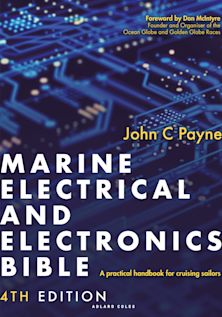
If you are headed somewhere remote consider the need to expand your knowledge base or have an information resource on board. Why not get a copy of my book The Marine and Electrical and Electronics Bible 4th Edition. By and for yachties, with everything from batteries and charging, solar and wind, diesel engines and marine electronics and so much more. Your complete systems guide. 650 pages of practical advice. In Australia and New Zealand order a copy through Boat Books. UK and European boats can buy the UK Edition Here. US and Canadian boats can get the US Edition Order Here. Marine systems are my profession so let me help you. By a liveaboard boat owner for other boat owners

Whitsunday Cruising Guide for Yachts - Outer Reef Access
The Whitsundays provide access to several outer reef systems, including Bait Reef, Hardy Reef and the surrounding coral structures. These anchorages are highly weather‑dependent and require disciplined planning, accurate tide management and conservative routing. Skippers often wait in Hook Island or Whitsunday Island anchorages for suitable conditions before moving offshore.
Navigation relies on attention to depth, reef systems and the influence of swell. The region’s isolation and exposure require yachts to operate with full self‑sufficiency, and vessels plan movements around daylight and weather windows. The outer reef provides exceptional shelter in settled conditions but remains unsuitable during periods of strong trades or swell.
Whitsunday Cruising Guide for Yachts - Minor Islands and Islets
The Whitsundays contain numerous smaller islands and islets that are not commonly used by cruising yachts but are part of the region’s geography. These include Bushy Island, Lucas Islands, Anchor Islands, Pine Island, Passage Islet, Grassy Island, Woodleigh Island and numerous unnamed reef cays and rocks. Most of these islands offer no practical shelter and are visited only for day use or snorkelling in light conditions.
Whitsunday Cruising Guide for Yachts - Summary
The Whitsundays provide a sheltered, infrastructure‑supported cruising environment centred around Hook Island, Whitsunday Island, Hamilton Island, Long Island, South Molle and the Lindeman Group. Weather is shaped by the SE trades, localised sea breezes and the influence of the Great Barrier Reef. Services are concentrated at Hamilton Island, Airlie Beach and Shute Harbour, with sheltered anchorages supporting year‑round yacht movements. This hub page links each sub‑region to its detailed guide, giving skippers a clear operational overview for planning movements through the Whitsundays. Whitsundays Cruising Guide for Yachts with a lot of useful information.