Tokyo Bay sailing guide - Sailing the
Kantō Region
Tokyo Bay sailing guide. The Kantō region forms the maritime center of Eastern Japan, anchored by the deep, sheltered waters of Tokyo Bay. For cruising yachts, this is one of the most accessible and infrastructure‑rich areas in the country and a place where Tokyo Bay sailing meets world‑class marinas, predictable navigation, and reliable provisioning. The bay is bordered by Tokyo, Yokohama, Chiba, and Kanagawa, creating a dense network of Tokyo marinas, small‑craft facilities, and yacht‑friendly ports that make the region ideal for both short coastal hops and longer Kantō yacht cruising itineraries.
Inside the bay, conditions are calm and well‑charted, making it one of the best places to sail near Tokyo. Outside the bay, the Pacific coast introduces open‑ocean passages along the Boso Peninsula, offering more challenging Pacific coast sailing in Japan for crews seeking offshore experience. Whether you’re planning a long‑stay berth, a seasonal base, or a staging point for sailing Eastern Japan, the Kantō region provides unmatched convenience and operational depth.
Tokyo Bay sailing guide - Kantō Region
Cruising
Tokyo: Tokyo offers cruising yachts a rare blend of big‑city convenience and sheltered, well‑managed waterways. Marinas like Yumenoshima and nearby Yokohama Bayside provide secure berths, easy provisioning, and excellent transport links. While commercial traffic is dense, navigation is straightforward, making Tokyo an efficient and surprisingly accessible base for coastal cruising.
Yokohama: Yokohama is one of Japan’s most yacht‑friendly cities, offering sheltered waters, excellent facilities, and easy access to Tokyo Bay. Yokohama Bayside Marina anchors the scene with modern berths, fuel, water, and strong technical support. Navigation is straightforward, and the city’s transport links and provisioning options make Yokohama an ideal base for coastal cruising.
Chiba: Chiba offers cruising yachts a quieter, more spacious alternative to the dense urban waters of Tokyo Bay. Its coastline mixes sheltered bays with more open Pacific stretches, giving skippers a useful range of conditions. The entrance to Tokyo Bay around Tateyama provides some of the region’s most dependable anchorages, with sandy bottoms and good protection, while the Pacific side delivers cleaner water and a more rural feel. Fishing activity is common, but traffic is lighter than on the Kanagawa side, making navigation more relaxed. With solid provisioning options in coastal towns and several well‑equipped marinas, Chiba is a practical and welcoming base for yachts exploring both Tokyo Bay and the wider Pacific coast.
Tateyama: Tateyama sits at the quiet southern mouth of Tokyo Bay, offering cruising yachts a welcome pause between the urban density of Yokohama and the more exposed Pacific coast of Chiba. Its broad, gently curving bay provides some of the most reliable shelter in the region, with sandy bottoms, predictable holding, and room to anchor without feeling crowded. The surrounding hills soften prevailing winds, and swell rarely wraps in with any force, making it a dependable stop in a wide range of conditions.
The town itself is relaxed and easy to navigate, with supermarkets, fuel stations, and local markets close enough for straightforward provisioning runs. Fishing activity is present but not overwhelming, and the harbor staff are accustomed to visiting yachts. Tateyama’s position also makes it a natural staging point—either for entering Tokyo Bay or for turning south toward the Pacific coast and the Izu Peninsula. It’s a calm, practical, and quietly scenic waypoint that many skippers come to appreciate.
Pacific Coast (Boso Peninsula &
Choshi)
The Pacific coast of the Bōsō Peninsula and the Choshi area present straightforward but more exposed cruising conditions compared to Tokyo Bay. Swell is the primary factor, often present even in light winds, and certain headlands can amplify it, affecting approaches and anchoring comfort. Shelter exists in selected bays and fishing harbors, but options are limited and depend heavily on wind direction. Includes destinations of Choshi, Kujukuri, Katsuura and Kamogawa.
Choshi is a functional stop with strong currents, heavy fishing traffic, and busy harbor movements; it’s reliable for protection but requires disciplined entry and exit planning. South of Choshi, the coastline alternates between open beaches and small inlets, with few all‑weather anchorages.
The southern Bōsō area offers the most dependable protection, especially around Tateyama, where holding is predictable and access is simple. Fishing gear is common along the entire coast, and visibility can be reduced in onshore weather. With careful timing and attention to swell, the Pacific side becomes a practical transit route for yachts moving along Japan’s east coast.
Tokyo Bay (Inner Bay). Tokyo Bay’s inner waters are deep and consistently sheltered, offering reliable conditions for transits and short stops. Heavy commercial traffic and regulated zones require disciplined routing, but access to major marinas and repair facilities is excellent, and navigation remains predictable for crews of all experience levels. A natural hub for anyone searching for where to berth a yacht in Tokyo.
Yokohama & Kanagawa Coast. Yokohama and the Kanagawa coast offer straightforward approaches with clearly marked channels and predictable traffic patterns. Marinas and service yards are reliable, well maintained, and easy to access from offshore or within Tokyo Bay. The area supports frequent weekend cruising, with established local routes and consistently manageable conditions for visiting yachts.
Chiba Peninsula (Urayasu to Tateyama). The Chiba Peninsula from Urayasu to Tateyama offers mostly straightforward coastal transits with predictable depths and clear charting. Traffic thins quickly outside the inner bay, though fishing gear and small boats remain common. Shelter improves toward the south, where Tateyama provides the most reliable all‑weather protection and simple access for yachts moving between Tokyo Bay and the Pacific side.
Pacific Coast (Boso Peninsula & Choshi). The Pacific coast of the Bōsō Peninsula and Choshi is exposed and swell‑affected, requiring careful timing for approaches and departures. Strong currents and dense fishing activity are routine, especially near Choshi. All‑weather shelter is limited, with only selected fishing harbors offering dependable protection. This stretch is primarily a transit route rather than a stopping area, best used in settled conditions with clear visibility and conservative routing. A favorite for crews searching for Japan offshore sailing routes.
Tokyo Bay sailing guide - Navigation
Navigating the Kantō region demands a steady blend of situational awareness, timing, and respect for some of Japan’s busiest waterways. Tokyo Bay is the heart of the challenge. It’s one of the country’s major commercial corridors, with dense shipping lanes, fast ferries, and constant industrial traffic. Large vessels move predictably but with little room for deviation, so yachts must stay sharp, monitor AIS closely, and avoid lingering near channel edges. Visibility can drop quickly in haze or rain, adding another layer of caution.
Tidal streams are generally modest compared to western Japan, but they still shape passages around the Uraga Channel, Yokosuka, and the entrance to Tokyo Bay. Wind‑against‑tide conditions can kick up short, uncomfortable chop, especially in winter. Local sea breezes in summer also funnel through Sagami Bay and the Miura Peninsula, creating lively afternoon conditions that require thoughtful planning.
Fishing activity is a constant feature along the Kanagawa and Chiba coasts. Nets, pots, and small boats appear early and late in the day, often unlit or lightly marked. The Pacific side of Chiba adds exposure to swell, particularly from typhoons far offshore, which can wrap into bays and make some approaches uncomfortable.
The Izu Peninsula introduces more rugged coastal features—steep cliffs, sudden depth changes, and swell‑prone headlands. While the water is clearer and the scenery more dramatic, anchorages can be rolly in certain wind directions, and some coves require careful entry to avoid rocks and reefs.
Overall, the Kantō region is entirely manageable for well‑prepared yachts, but it rewards disciplined watchkeeping, thoughtful timing, and a clear understanding of local traffic patterns. The mix of commercial density, fishing activity, and shifting coastal conditions makes it a place where preparation pays off and good seamanship shines.
Tokyo Bay sailing guide - Major Marinas
The Kantō region hosts Japan’s largest and most diverse collection of marinas, ranging from full‑service yacht hubs in Tokyo Bay to quieter, well‑equipped facilities along the Kanagawa and Chiba coasts. Together they form the country’s most convenient network for cruising yachts, with excellent access to provisioning, repairs, and transport.
Tokyo Bay anchors the region with several major marinas offering deep berths, modern pontoons, and comprehensive services. Yokohama Bayside Marina is the flagship facility, Japan’s largest, known for its wide fairways, reliable fuel dock, chandlery access, and direct links to the city. It’s the natural home base for many international yachts. Nearby, Tokyo Yumenoshima Marina provides another major hub, with haul‑out services, technical support, and easy access to central Tokyo. Both marinas offer secure berthing, potable water, shore power, and strong transport connections.
Along the Kanagawa coast, the atmosphere shifts toward leisure cruising and weekend sailing. Shonan Port and Hayama Marina are popular with local sailors, offering well‑maintained berths, good shelter, and proximity to provisioning in Zushi and Kamakura. These marinas are smaller than the Tokyo Bay giants but provide excellent access to scenic coastal sailing and are ideal for yachts exploring Sagami Bay.
Chiba’s coastline adds another layer of options. Tateyama Marina and facilities around the entrance to Tokyo Bay offer sheltered berths and straightforward access to fuel, water, and supplies. While less urban than their Tokyo and Kanagawa counterparts, these marinas are valued for their calmer surroundings and easy access to the Pacific side of the peninsula.
Together, the marinas of the Kantō region form a well‑connected, yacht‑friendly network. Whether a skipper needs full technical support, urban convenience, or a quieter coastal base, Kantō offers reliable berthing and some of the best marine infrastructure in Japan.
Tokyo Bay sailing guide - Anchorages
The Kantō region offers a wide mix of anchorages, shaped by its blend of urban bays, fishing harbors, and more open coastal stretches. While Tokyo Bay itself is heavily trafficked and tightly regulated, there are still pockets where yachts can anchor comfortably, and once you move toward Kanagawa, Chiba, and the Izu Peninsula, options expand into more scenic and relaxed waters.
Tokyo Bay’s anchorages tend to be functional rather than idyllic. Depths are reliable, holding is generally good, and shelter is excellent, but commercial traffic and designated zones mean skippers must choose spots carefully and stay alert. These anchorages work well for short stops or weather waits rather than leisurely stays.
As you move south and west, Kanagawa’s coastline offers more character. Areas around Yokosuka, Hayama, and Zushi provide sheltered pockets with manageable swell and good holding, though local regulations vary and some zones are reserved for fishing fleets. The scenery improves dramatically, and the water becomes clearer as you leave the industrial core of the bay.
Chiba’s Pacific side introduces a different rhythm. The coast is more exposed, but several bays and inlet particularly around Tateyama and the entrance to Tokyo Bay, offer reliable shelter with sandy bottoms and room to swing. These anchorages are popular with local cruisers preparing for longer coastal passages.
Further south, the Izu Peninsula marks the transition from urban Kantō to more rugged cruising grounds. Anchorages here are more scenic, with volcanic cliffs, clear water, and well‑protected coves that feel far removed from the city. Holding is generally good, though swell can wrap into some bays depending on wind direction.
Overall, the Kantō region provides a practical mix of urban convenience and coastal charm. While Tokyo Bay anchorages serve as dependable stopovers, the surrounding coasts of Kanagawa, Chiba, and Izu offer more relaxed, scenic options that reward yachts willing to venture just a little farther from the city.
Tokyo Bay sailing guide - Provisioning
Provisioning in the Kantō region feels effortless, almost designed for cruising yachts. The sheer density of supermarkets, markets, and transport links means you’re never far from what you need. Large chains like Aeon, Ito Yokado, Seiyu, and Life dominate the landscape, offering excellent produce, fresh seafood, and a surprising range of international staples. Even the smaller marinas usually sit within easy reach of a convenience store or a mid‑sized supermarket, and the morning fish markets in Misaki, Kamakura, and Choshi are treasure troves for sashimi‑grade tuna, sardines, and coastal specialties.
Ready‑made meals are a quiet superpower of the region. Bento counters overflow with grilled fish, karaage, rice bowls, salads, and hearty sides ideal for long passages or quick onboard meals. Stocking up on rice, noodles, sauces, and snacks is straightforward, and the quality is consistently high.
Marine supplies are equally accessible. Yokohama, Shonan, and Tokyo Bay host the country’s best concentration of chandleries and service centers, while big hardware stores like Super Viva Home and Konan cover tools, fasteners, cleaning gear, and basic marine hardware. For specialized yacht parts, Yokohama remains the most reliable hub.
Regional flavors add character to every provisioning run. Kanagawa’s tuna and shirasu, Chiba’s peanuts and nori, Tokyo’s premium produce, and the fruits and dairy from Ibaraki and Tochigi all bring variety and morale‑boosting treats to the galley. And even if a marina sits slightly outside town, Kantō’s public transport, fast trains, frequent buses, and easy taxis makes access simple. Many marinas even offer bicycles for quick supermarket runs.
Altogether, provisioning in Kantō is smooth, abundant, and full of culinary interest, making it one of Japan’s most convenient regions for stocking a yacht before coastal cruising or longer offshore passages.
Tokyo Bay sailing guide - Fuel & Water
Provisioning potable water and diesel fuel in the Kantō region is straightforward, reliable, and well suited to the needs of cruising yachts. The combination of major commercial ports, modern marinas, and dense urban infrastructure means that most harbors offer easy access to both essentials, with only a few exceptions in more rural pockets of Chiba and the outer Izu Peninsula.
Potable water is widely available at marinas throughout Tokyo Bay, Yokohama, and Kanagawa. Facilities such as Yokohama Bayside, Shonan, and the Tokyo‑area marinas maintain clean, treated municipal water supplies directly at the pontoons, making refills simple and fast. Even smaller yacht harbors typically provide tap water on the quay or via nearby public facilities. In fishing ports, water is often available but may require asking the harbor office; staff are generally helpful, though hoses and fittings vary, so carrying adapters is wise.
Diesel access is equally dependable. Tokyo Bay hosts numerous fuel docks serving both recreational and commercial vessels, and many marinas can arrange refueling directly at the berth or via a nearby fuel pier. In Kanagawa and Chiba, fuel stations are common along the waterfront, though some require jerry‑can runs rather than alongside refueling. Prices are consistent with national averages, and supply is stable year‑round. Larger ports—Yokohama, Chiba, Kawasaki—offer the most convenient access, while more remote fishing harbors may require a short taxi ride to a roadside fuel station.
Overall, the Kantō region provides some of the most reliable water and diesel availability in Japan. Whether preparing for coastal cruising or a longer offshore passage, yachts can expect clean potable water, dependable fuel access, and helpful harbor staff across nearly every major port in the region.
Mechanical and Electrical Repairs
Resource
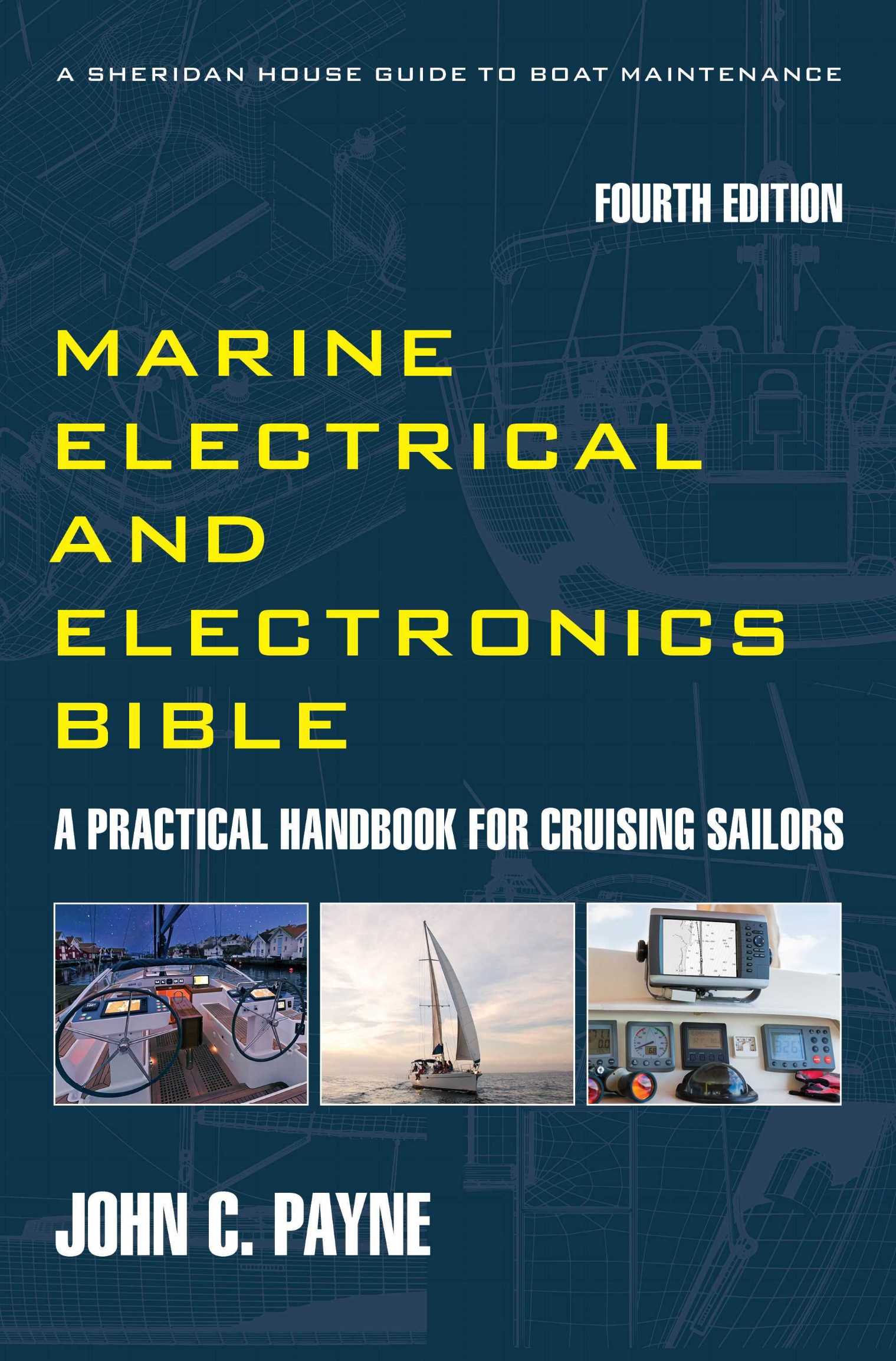
If you are headed somewhere remote consider the need to expand your knowledge base or have an information resource on board. Why not get a copy of my book The Marine and Electrical and Electronics Bible 4th Edition. By and for yachties, with everything from batteries and charging, solar and wind, diesel engines and marine electronics and so much more. Your complete systems guide. 650 pages of practical advice. In Australia and New Zealand order a copy through Boat Books. UK and European boats can buy the UK Edition Here. US and Canadian boats can get the US Edition Order Here. Marine systems are my profession so let me help you. By a liveaboard boat owner for other boat owners

Tokyo Bay sailing guide - Weather
Tokyo Bay is one of the most reliable winter cruising areas in Japan. Kantō’s climate is temperate with clear seasonal patterns:
- Spring: Mild, stable, and ideal for Tokyo Bay sailing trips.
- Summer: Hot, humid, and occasionally hazy; typhoon season begins.
- Autumn: Clear, settled, and excellent for longer passages.
- Winter: Strong northerlies outside the bay; inner bay remains calm.
Tokyo Bay sailing guide - Cultural
Expectations
Cultural expectations in the Kantō region emphasis quiet professionalism, punctuality, and respect for shared spaces, especially in marinas and fishing ports. Crews are expected to keep noise low, follow harbor instructions precisely, and avoid obstructing working areas. Clear communication, tidy decks, and proper waste handling are noticed and appreciated. Courtesy toward fishermen, harbor staff, and neighboring boats ensures smooth, trouble‑free operations throughout the region. Go to this page Japanese Port Culture and Etiquette for a complete description.
Tokyo Bay sailing guide - Summary
The Kantō region offers some of Japan’s most accessible and infrastructure‑rich cruising waters. Tokyo Bay provides deep, sheltered navigation, world‑class marinas, and reliable provisioning, while the surrounding coasts offer a mix of urban convenience and open‑ocean adventure. Whether used as a staging point, a long‑stay base, or a gateway to the Pacific, the Kantō region delivers operational depth, predictability, and convenience unmatched elsewhere in Japan making it a natural hub for Tokyo Bay sailing, Kantō yacht cruising, and Eastern Japan coastal routes. This Tokyo Bay Sailing Guide should make your trip easier.