Yokohama Sailing Guide : Practical Yacht
Cruising Guide to Tokyo Bay
Yokohama sailing guide. Yokohama sits on the western side of Tokyo Bay and is one of Japan’s most yacht‑friendly cities, offering deep, sheltered waters, predictable approaches, and some of the best marina facilities in the country. For cruising yachts, Yokohama combines the convenience of a major urban centre with straightforward navigation and excellent access to repairs, provisioning, and transport. The city’s waterfront is modern, well‑organised, and accustomed to visiting vessels, making it a natural hub for Yokohama sailing and Tokyo Bay cruising routes.
The primary base for yachts is Yokohama Bayside Marina, one of the largest and best‑equipped marinas in Japan. It offers secure berths, fuel access, chandlery services, and direct rail links into central Yokohama and Tokyo. For crews planning coastal cruising near Tokyo or looking for the best marinas near Tokyo, Yokohama provides a highly practical and comfortable operational base.
Yokohama Sailing Guide - Navigation
Approaching Yokohama is straightforward once inside Tokyo Bay. The bay is deep, sheltered, and well‑charted, with predictable conditions year‑round. The main navigational considerations are commercial shipping lanes, ferry routes, and regulated zones around the Port of Yokohama.
From the north, yachts arriving from Tokyo follow wide, clearly marked channels with minimal swell. From the south, yachts approaching from Tateyama or the Boso Peninsula enter through sheltered waters before turning toward the Yokohama waterfront. From the east, crews coming from Chiba or Urayasu cross calm inner‑bay waters with consistent depths.
AIS is extremely useful for tracking commercial vessels, and radar helps in haze or night navigation, especially for crews planning Tokyo Bay night sailing or winter passages.
Berthing and
Anchorage Options
Yokohama offers some of the best marina infrastructure in Eastern Japan.
Marinas
Yokohama Bayside Marina: The primary facility for visiting yachts, offering secure berths, fuel, water, electricity, chandlery access, and repair services.
Yokohama Waterfront Piers: Limited small‑craft berths in central Yokohama, suitable for short stays with prior arrangement.
These facilities are well‑protected and provide excellent access to transport, provisioning, and city services.
Yokohama Sailing Guide - Anchorages
Anchoring inside Yokohama’s port area is restricted due to commercial traffic and port regulations. Crews seeking anchorages typically use:
- Tateyama Bay
- Uchiura Bay (Chiba)
Both are outside the main Yokohama port zone.
Yokohama Sailing Guide - Entry
Protocols
Advance Notice: Japanese officials expect accurate pre‑arrival details—ETA, vessel particulars, last port, and crew numbers. Consistency between your notice and your actual arrival makes clearance smoother. Documentation: Keep passports, crew list, ship’s papers, last‑port clearance, and any quarantine forms ready in a clean folder. Offering documents proactively speeds the process. Make multiple copies of everything and have them ready. Make lists of spare parts, provisions and so on. Vessel Presentation: A tidy, accessible vessel creates a strong first impression. Clear access, an uncluttered deck, and organised paperwork reduce the depth of inspection. Communication & Behaviour: Officials value calm, polite interaction. Speak slowly, avoid interrupting, and use low voices and simple greetings. Patience is expected, officers work methodically. Agency Procedures: Immigration, Customs, and Quarantine may board together or separately. Expect passport checks, verification of crew lists, and basic questions about voyage history. Making Clearance Easy: Preparation, tidy spaces, consistent paperwork, and respectful communication make Japanese clearance fast and predictable.
For yachts already cruising within Japan, Yokohama functions as a domestic port. Foreign‑flagged vessels using the Naikosen system can move between ports without repeating full customs clearance.
Quarantine Requirements: Fruit & Vegetables On Board. Japan enforces strict plant‑quarantine laws, and fresh fruits, vegetables, seeds, and plant products cannot be brought into the country without a valid phytosanitary certificate issued by the exporting nation. All plant items must be declared and inspected by the Plant Quarantine Service on arrival. Items without certification are confiscated immediately, and undeclared produce can trigger severe penalties, including fines or prosecution. Crews should ensure all fresh produce is either consumed before arrival or supported by proper documentation. Keeping stores clearly separated, labelled, and ready for inspection makes clearance faster and avoids delays.
Yokohama Sailing Guide - Local Weather
Yokohama benefits from the sheltered environment of Tokyo Bay, offering some of the most predictable sailing conditions in Japan.
- Spring: Mild temperatures, light winds, occasional haze.
- Summer: Hot, humid, and occasionally stormy; typhoon season begins.
- Autumn: Clear skies, moderate winds, and excellent cruising conditions.
- Winter: Strong northerlies outside the bay, but inner‑bay waters remain calm.
Visibility can be reduced in summer due to humidity and haze.
Yokohama Sailing Guide - Provisioning
Supermarkets (Yokohama): Seijo Ishii (Bayside Marina area). High‑quality
imported goods, reliable produce, good for specialty items and dry stores. AEON
Style (Kanazawa‑Hakkei / Bayside area). Full‑range
supermarket with strong fresh produce, bakery, household goods, and bulk
provisioning. OK Store (various locations). Budget‑friendly option with good
vegetables, meat, and dry goods; taxi distance from the marina. Costco Yokohama
(Tsurumi)
Useful for large‑quantity provisioning; requires a short taxi ride.
Traditional Markets: Yokohama Central Wholesale Market (Fukiage). Early‑morning market with excellent produce, meat, and seafood. Efficient for bulk fresh provisioning; taxi distance from Bayside Marina. Kanazawa‑Hakkei Local Shops. Small greengrocers and family‑run stores offering fresh vegetables and daily staples within short walking distance of the station area.
Farmers’ Markets: Marine & Walk Weekend Market (Minato
Mirai). Seasonal weekend market offering local vegetables, baked goods, and
small‑batch products. Best for topping up fresh items rather than full
provisioning. Yokohama Kitanaka Farmers Market (occasional)
Pop‑up market with regional produce; schedule varies, typically accessible by
taxi.
Fish Markets: Yokohama Fish Market (Fukiage). Reliable source for fresh fish and shellfish, similar in function to Naha’s fish market. Best visited early morning; efficient for stocking high‑quality seafood. AEON Seafood Section (Kanazawa‑Hakkei). Consistent supply of fresh fish, convenient when a dedicated market visit isn’t required.
Yokohama Sailing Guide - Diesel Fuel Supply
Fuel is readily available in Yokohama. Yokohama Bayside Marina: Fuel dock and jerry‑can access. Nearby service stations: Easy access for jerry‑can transport. Yokohama is one of the most convenient refuelling points in the Kantō region.
Yokohama Sailing Guide - Fresh Water Supply
Potable water is available at marina berths, with good pressure and reliable quality. Additional taps may be available in small‑craft areas with permission.
Yokohama Sailing Guide - Repair and Service
Yokohama offers some of the best yacht repair and service options in Japan. Services include Mechanical and electrical repairs, Fibreglass and hull work, Engine servicing, Chandlery access, Haul‑out facilities (depending on arrangement). For major work, Tokyo provides additional capacity.
Mechanical and Electrical Repairs
Resource
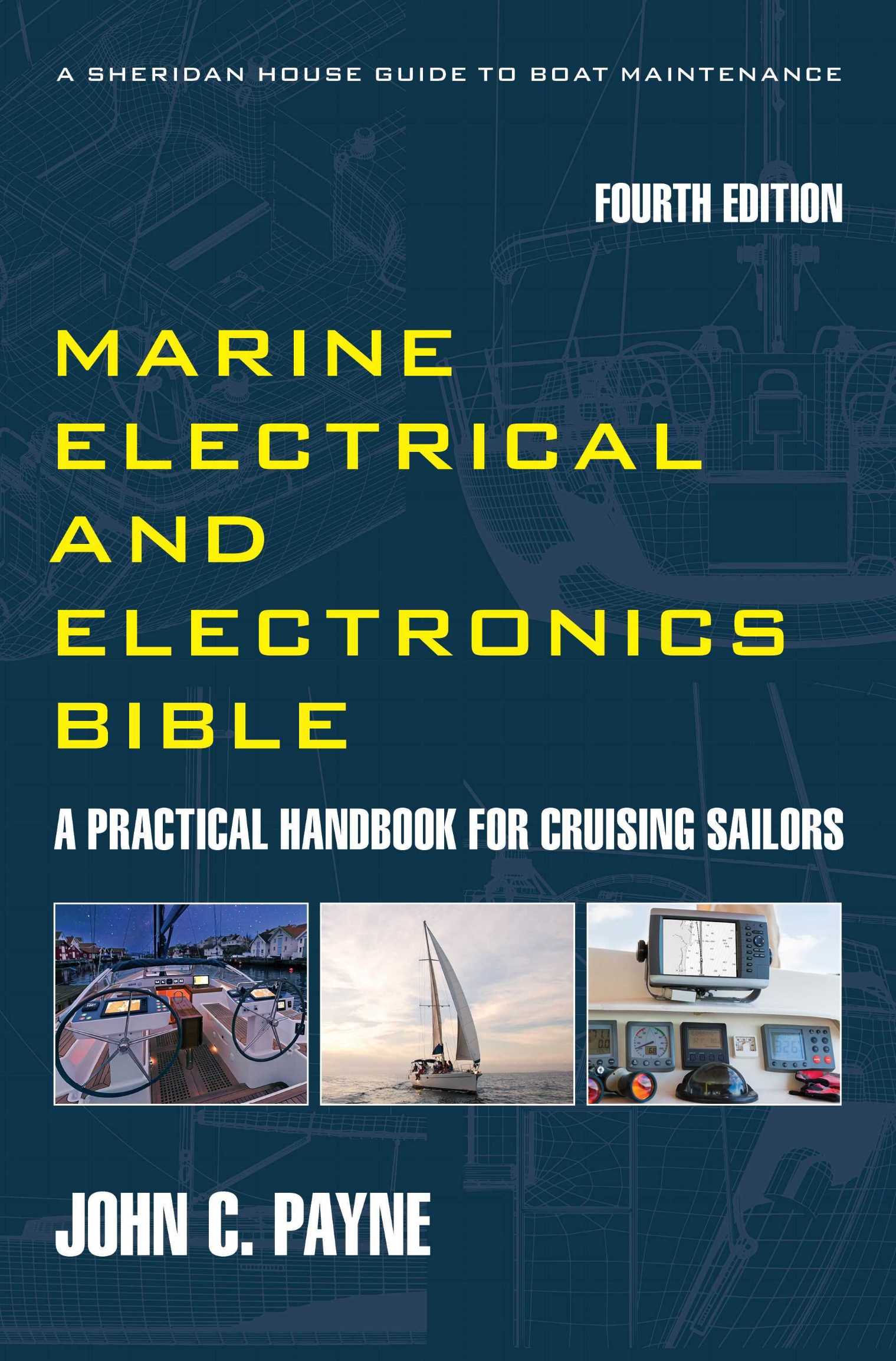
If you are headed somewhere remote consider the need to expand your knowledge base or have an information resource on board. Why not get a copy of my book The Marine and Electrical and Electronics Bible 4th Edition. By and for yachties, with everything from batteries and charging, solar and wind, diesel engines and marine electronics and so much more. Your complete systems guide. 650 pages of practical advice. In Australia and New Zealand order a copy through Boat Books. UK and European boats can buy the UK Edition Here. US and Canadian boats can get the US Edition Order Here. Marine systems are my profession so let me help you. By a liveaboard boat owner for other boat owners

Yokohama Sailing Guide - Local Culture
Yokohama is a modern, maritime‑friendly city with clear expectations:
- Keep noise low in marinas and residential areas
- Follow strict waste‑sorting rules
- Respect commercial traffic and port regulations
- Use polite greetings and show patience during interactions
- Seek permission before photographing people or private property
Visitors who follow these norms are generally welcomed. Go to this page Japanese Port Culture and Etiquette for a complete description of cultural norms.
Yokohama Sailing Guide - Summary
Yokohama is one of Japan’s most accessible and yacht‑friendly ports, offering secure berths, excellent provisioning, reliable repair facilities, and straightforward navigation. Its position on the western side of Tokyo Bay makes it a natural hub for Yokohama sailing, Tokyo Bay cruising routes, and longer passages along the Kantō coastline. Whether used as a staging point or a long‑stay base, Yokohama provides the operational depth and convenience that make cruising in Eastern Japan both comfortable and rewarding. The Yokohama Sailing Guide is all you need.