Sailing the Tohoku Coast of Honshu
Sailing the Tohoku Coast of Honshu. Tohoku is one of Japan’s most extraordinary cruising regions are a coastline shaped by deep bays, dramatic headlands, and quiet fishing communities that have lived with the sea for centuries. Stretching from Fukushima to Aomori, this is a landscape defined by resilience and raw natural beauty. For visiting yachts, Tohoku offers something rare in modern Japan: vast, uncrowded cruising grounds, sheltered natural harbors, and a sense of remoteness that feels more like Alaska or Norway than the world’s third‑largest economy. It is a region where the Pacific rolls in uninterrupted from the east, where cliffs rise straight from the water, and where small ports offer safe refuge along an otherwise exposed coastline.
Despite its scale and beauty, Tohoku remains under‑documented in English‑language cruising guides. Most yachts pass through quickly on their way north or south, unaware that the region contains some of Japan’s finest natural anchorages and most spectacular scenery. The deep rias of Iwate, Miyako, Yamada, Kamaishi, Ofunato, offer fjord‑like protection unmatched anywhere else in the country. The volcanic silhouettes of Aomori’s Shimokita Peninsula create a dramatic northern gateway. And the fishing ports of Miyagi and Fukushima provide practical, well‑maintained facilities for crews moving along the Pacific coast. For sailors seeking quiet, authenticity, and operational depth, Tohoku is one of Japan’s best‑kept secrets.
Sailing the Tohoku Coast of Honshu - History
Tohoku’s coastline is defined by the meeting of deep geological forces and a maritime culture that has lived with the Pacific for centuries. The region’s dramatic rias, steep, fjord‑like bays carved by tectonic uplift and ancient river valleys, create some of the safest natural harbors in Japan. These formations concentrate marine life, and for generations they have supported fishing communities whose rhythms follow the tides, the seasons, and the migration of sardines, mackerel, scallops, and seaweed. Every port, from Ofunato to Miyako, is built around this working waterfront culture: practical, quiet, and deeply connected to the sea.
The 2011 Great East Japan Earthquake and Tsunami remain the defining modern chapter in Tohoku’s story. Entire towns were devastated, and many of the rias that once sheltered communities amplified the incoming waves. Yet these same bays became the foundation for recovery. Fishing cooperatives rebuilt fleets, ports were redesigned with new breakwaters and elevated seawalls, and the region’s maritime identity endured. Today, visiting yachts encounter a coastline that carries its history with quiet resilience, a place where geology, culture, and community are woven together, and where every harbor reflects both the scars of the past and the strength of its recovery.
Sailing the Tohoku Coast of Honshu - Why
Go There?
Tohoku is a region defined by contrasts: rugged Pacific exposure balanced by some of the safest natural harbors in Japan. The coastline is long, sparsely populated, and shaped by deep inlets carved by ancient tectonic forces. These rias create natural hurricane holes, offering shelter even when the outer coast is rough. For crews moving between Choshi, Hokkaido, and the Seto Naikai, Tohoku provides a chain of reliable stopovers spaced at comfortable intervals. Culturally, the region is warm, understated, and deeply connected to the sea. Fishing cooperatives dominate the waterfront, and many ports welcome visiting yachts with quiet efficiency. Provisioning is straightforward, fuel is accessible, and the rhythm of life is slower than in the south. For crews who enjoy remote anchorages, dramatic landscapes, and authentic coastal towns, Tohoku delivers a rare combination of practicality and wilderness.
Passage Planning - Honshu’s
Northeast Coast
- Fukushima Coast. A long, straight, exposed shoreline with few natural refuges. Ports such as Soma Matsukawaura, Shiogama, Onahama provide essential shelter and provisioning for yachts moving north or south.
- Miyagi Coast. Home to Sendai Bay and the protected waters of Matsushima, one of Japan’s most scenic coastal areas. Shiogama and Ishinomaki offer reliable berths and strong marine services.
- Iwate Rias. The heart of Tohoku cruising. Deep, fjord‑like bays such as Ofunato, Kamaishi, Yamada, and Miyako provide exceptional shelter, calm water, and dramatic scenery. This is the region’s signature cruising environment.
- Aomori & Shimokita Peninsula. A rugged northern frontier with volcanic silhouettes, remote fishing ports, and the gateway to Mutsu Bay. Ideal for crews continuing toward Hokkaido or exploring Japan’s far north.
Ports and Destinations Along the
Tohoku Coast
The Tohoku coast stretches from Aomori to Onahama, linking major commercial ports with quiet fishing towns and deep, sheltered bays. Aomori, Hachinohe, Sendai (Shiogama), Akita, and Ishinomaki serve as the region’s primary hubs, offering strong provisioning, transport links, and marine services. Along the Sanriku coast, ports such as Miyako, Kamaishi, Ōfunato, and Kesennuma provide safe harbors, rebuilt waterfronts, and access to dramatic coastal scenery. On the Sea of Japan side, Akita and surrounding towns offer broader bays and a calmer cruising rhythm. At the southern end, Onahama acts as the gateway toward Kanto. Together, these destinations form a practical, well‑spaced chain of ports that support long‑range cruising and connect directly to detailed guides for each location.
Sailing the Tohoku Coast of Honshu - Navigation
Tohoku’s Pacific coast is exposed, but the rias offer some of the safest anchorages in Japan. Weather windows matter, especially between Fukushima and Miyagi, where the coastline is straight and unprotected. Once inside the rias, conditions are calm, predictable, and suitable for extended stays.
Visibility is excellent in winter, fog is common in spring, and swell is the primary hazard year‑round. Typhoon swell can reach the coast even when storms are distant, but the deep bays provide reliable refuge.
Sailing the Tohoku Coast of Honshu - Provisioning
Provisioning in the Tohoku region follows a rhythm shaped by its fishing heritage, agricultural strength, and the practical, understated character of its coastal towns. Larger ports such as Sendai, Hachinohe, Aomori, Akita, and Ishinomaki offer the most complete resupply options, with big supermarkets, fish markets, hardware stores, and reliable fuel and water access. Smaller harbors along the Sanriku and Sea of Japan coasts provide more modest but dependable provisioning through local shops, morning fish auctions, and community markets that specialize in regional produce such as apples, rice, vegetables, miso, and freshly landed seafood. While international goods and specialty items are less common than in major metropolitan areas, the essentials are easy to source, and the region’s strong agricultural base ensures excellent fresh ingredients. For cruising crews, Tohoku offers a practical, steady provisioning environment, with well‑supplied hubs for major restocking, and smaller ports where local food culture becomes part of the voyage.
Sailing the Tohoku Coast of Honshu - Fuel
and Water
Diesel fuel and potable water are generally reliable across the Tohoku coast, but availability concentrates in the larger commercial ports. Aomori, Hachinohe, Ishinomaki, Sendai (Shiogama), Akita, and Onahama offer the most consistent access, with fuel stations near the waterfront and designated water points at marinas or fishing‑port facilities. Smaller Sanriku harbors usually provide water through local taps and cooperative offices, while diesel may require a short walk or coordination with nearby service stations.
Mechanical and Electrical Support in
Tohoku
Mechanical and electrical repair options along the Tohoku coast are centered in the larger commercial ports, where shipyards, fishing‑fleet workshops, and industrial marine contractors operate year‑round. Aomori, Hachinohe, Ishinomaki, Sendai (Shiogama), Akita, and Onahama offer the most reliable support, with diesel mechanics, electrical technicians, welding and fabrication shops, and parts suppliers serving both commercial vessels and visiting yachts. Smaller Sanriku ports provide lighter repairs through local cooperatives, but major work is best handled in the regional hubs.
Yanmar marine‑engine support is available in the Tohoku region, with the primary authorised service base located in Ōfunato, Iwate. Authorised Yanmar Marine Service – Tohoku Region. Ōfunato City, Iwate Phone: +81 192‑26‑2930. Diesel engine diagnostics & repair, Genuine Yanmar parts supply. Maintenance for commercial and recreational vessels. Other ports (Aomori, Hachinohe, Kesennuma, Ishinomaki, Sendai) have local mechanics, but they are not listed as official Yanmar service points. For major repairs, parts, or warranty‑related work, Ōfunato is the recommended port.
Mechanical and Electrical Repairs
Resource
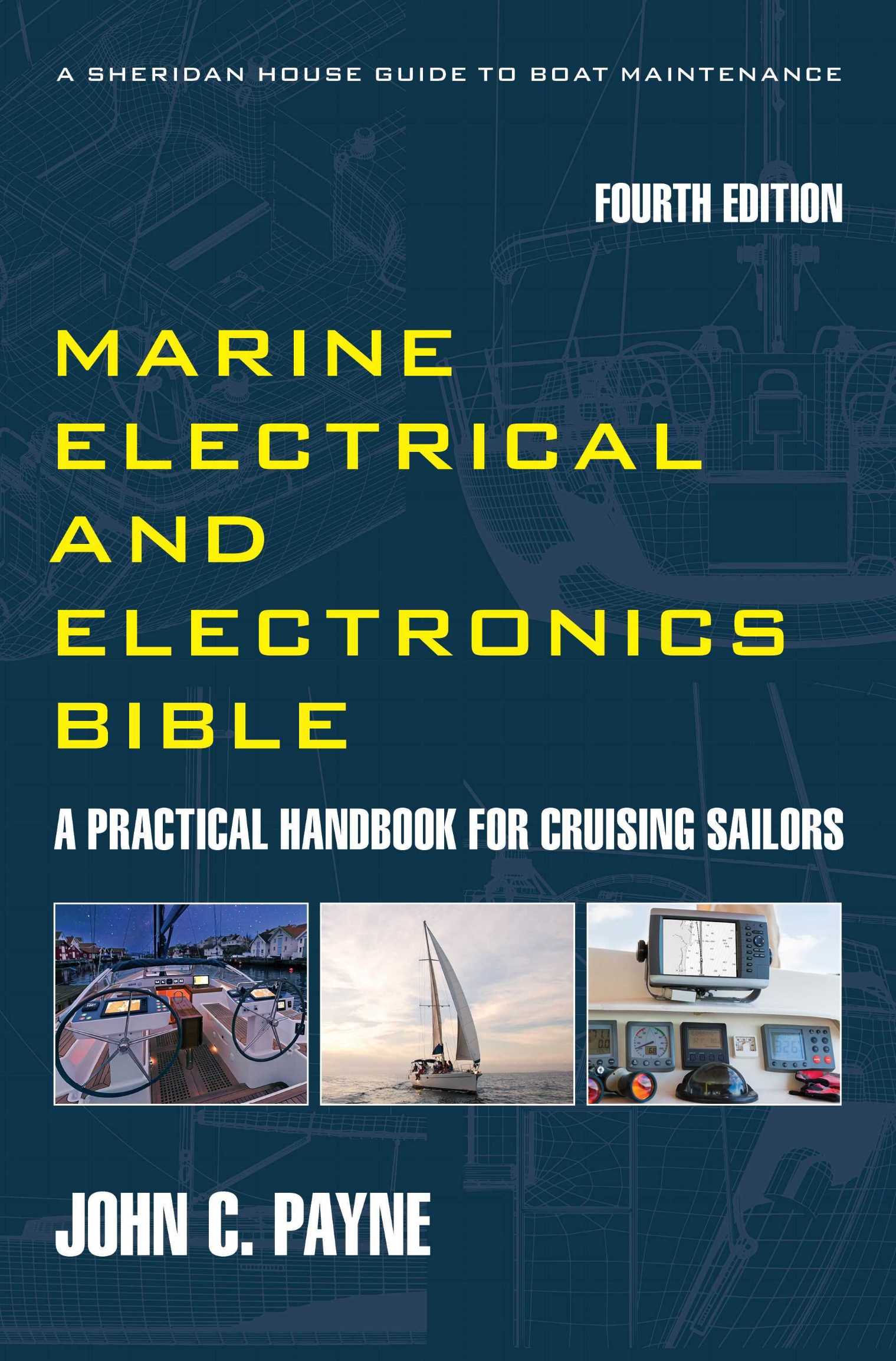
If you are headed somewhere remote consider the need to expand your knowledge base or have an information resource on board. Why not get a copy of my book The Marine and Electrical and Electronics Bible 4th Edition. By and for yachties, with everything from batteries and charging, solar and wind, diesel engines and marine electronics and so much more. Your complete systems guide. 650 pages of practical advice. In Australia and New Zealand order a copy through Boat Books. UK and European boats can buy the UK Edition Here. US and Canadian boats can get the US Edition Order Here. Marine systems are my profession so let me help you. By a liveaboard boat owner for other boat owners

Sailing the Tohoku Coast of Honshu - Culture
& Etiquette
The Tohoku region is known for its warm but understated hospitality, and visitors who move with calm respect are always well‑received. People here value politeness, quiet communication, and patience, especially in small fishing towns where daily life follows long‑established rhythms. A simple bow, a soft greeting, and taking time to listen go a long way. In markets and cooperatives, it’s customary to wait your turn, avoid haggling, and show appreciation for local products. Many communities are still shaped by the legacy of the 2011 tsunami, so sensitivity around disaster‑related topics is important. When visiting shrines, memorials, or working harbours, behave modestly, avoid blocking pathways, and always ask before entering restricted areas. Overall, Tohoku rewards visitors who move gently, observe local cues, and show genuine respect for the people who live and work along Honshu’s northeast coast. Go this page for complete description about Japanese Port Culture and Etiquette.
Sailing the Tohoku Coast of Honshu - Summary
Tohoku is one of Japan’s most remarkable cruising regions, remote, spectacular, and still largely unknown to international yachts. Its deep rias offer world‑class shelter, its coastline delivers unforgettable scenery, and its ports provide the practical support needed for long‑range passage making. For boats and crews seeking a blend of wilderness, authenticity, and operational reliability, Tohoku stands as one of the finest cruising destinations in the country. This hub page serves as your entry point into a region that rewards patience, curiosity, and a willingness to explore beyond the well‑charted routes. Sailing the Tohoku Coast of Honshu has a lot to offer.