New South Wales Coastal
Navigation Guide
New South Wales Coastal Navigation Guide. New South Wales presents a coastline defined by river bars, exposed headlands, and a sequence of harbours that form the backbone of coastal passage planning. Conditions vary significantly between regions, with dynamic bar entrances in the north, deep commercial harbours in the central section, and exposed stretches of coast in the south. This guide provides a practical overview of NSW’s major cruising areas, linking to detailed destination pages that focus on real‑world navigation, bar behaviour, anchorages, and operational considerations.
The coastline is shaped by the interaction of swell, tide, and rapidly changing weather systems. Southerly changes can arrive with little warning, producing steep, uncomfortable seas along the exposed coast. Many river entrances are tide‑dependent and unsafe in moderate swell. Anchorages outside major harbours are limited, and safe passage planning often relies on short hops between reliable ports. Understanding these regional patterns is essential for safe cruising in NSW waters. Foreign yachts should check the Australia Customs and Biosecurity for Yachts.
Alan Lucas’s Cruising the New South Wales Coast is in the 6th edition and is considered the definitive guide for coastal sailors. Essential information for accessing coastal towns and rivers. Highly recommended if you are cruising this coast.
The East Australian Current
The East Australian Current (EAC) is the defining offshore feature along the New South Wales coast, shaping sea state, vessel speed, and routing decisions from Point Danger to Gabo Island. In this region the EAC becomes increasingly variable, breaking into meanders and warm‑core eddies that can push strong south‑setting flow close to shore or leave pockets of favourable north‑setting current in its wake. For sailors planning a southbound passage toward Bass Strait or a northbound return toward Queensland, understanding how the EAC behaves off NSW is essential, as even small shifts in its position can create steep wind‑against‑current seas or dramatically alter speed over ground. See more about the East Australian Current.
Sailing to Lord Howe Island
Sailing to Lord Howe Island is a blue‑water passage from NSW that demands a clean weather window, as the route sits fully exposed to Tasman Sea swell, shifting systems and the influence of the subtropical ridge. Long‑period southerly or easterly swell can build well before landfall and often wraps around the island, making the final approach slow and uncomfortable, and occasionally unsafe for entering the lagoon. Skippers wait for a stable ridge pattern, moderate winds and manageable swell before committing, treating the island as a destination that rewards patience and conservative timing.
North Coast NSW – The Tweed and Clarence Rivers
The Tweed River: The Tweed River entrance is a dynamic bar with strong tidal flow and breaking seas in moderate swell. Conditions change rapidly, and entry requires local knowledge and favourable tide.
Richmond River - Ballina. This is a narrow, tide‑driven entrance dominated by the infamous Ballina Bar, one of the most challenging and temperamentally shallow bar crossings on the NSW coast. The bar breaks heavily in any easterly swell, steepens dramatically on the ebb tide and can shift after fresh river outflow, making timing and conditions absolutely critical for arriving yachts. Once inside, the river bends sharply and the turbulence settles quickly, leading into a calm, well‑protected upriver marina.
Clarence River – Yamba and Iluka: The Clarence River bar is one of the more challenging on the NSW coast, with steep, breaking seas in swell and strong tidal flow. Once inside, the river provides extensive sheltered waters and multiple anchorages.
New South Wales Coastal Navigation Guide - Coffs Harbour
Coffs Harbour is an Entry Port and has an open, swell‑affected entrance where seas can wrap around the northern break wall and stand up across the leads in moderate to heavy conditions. Surge is common inside the marina after strong easterlies, and crosswinds can make the final turn tight. The approach channel is deep and well marked, but breaking seas along the outer wall make the entrance hazardous in larger swell and require a settled‑weather entry with good visibility. well can wrap into the harbour in strong easterlies, but it remains one of the safest harbours on the north coast.
Trial Bay, South
West Rocks & Macleay River
Trial Bay is an open roadstead with limited protection and becomes uncomfortable or unsafe in swell from most directions. South West Rocks sits beside the Macleay River entrance, which has a narrow, shifting bar that breaks in moderate seas and is often hazardous; entry should only be attempted in settled conditions and on a rising tide. Inside, the Macleay River channel is tight with strong tidal flow, shoaling along the bends and limited manoeuvring room, making it unsuitable for most keelboats beyond the lower reaches. Check the Cruising Guide for South West Rocks here
New South Wales Coastal Navigation Guide - Port Macquarie
Port Macquarie and the Hastings River Bar is a narrow, shifting bar that breaks in moderate swell and is often hazardous, requiring a rising‑tide entry in settled conditions only. Inside, the channel is tight with strong tidal flow, limited manoeuvring room and shoaling along the bends, demanding close attention to marks and soundings. Nice little marina. Entry requires precise timing and updated bar reports. Check the Cruising Guide for Port Macquarie here.
Mid
Coast NSW – Camden Haven to Newcastle
Camden Haven (Laurieton). Camden Haven has a narrow, shifting bar that breaks in moderate swell and should only be crossed in settled conditions and on a rising tide; once inside, the channel is tight with strong tidal flow and limited manoeuvring room. Check the Cruising Guide for Camden Haven here
Taree & Manning River. The Manning River entrance is shallow, shifting and often hazardous, with breaking surf across the bar, making it unsuitable for most yachts; Taree lies far upriver beyond extensive shoaling and is not practically accessible to keelboats. Check the Cruising Guide for Guide Manning River here
New South Wales Coastal Navigation Guide - Port Stephens
Port Stephens has a wide, deep and generally safe entrance with no bar, though swell can stand up across the heads in strong easterlies. Inside, the main channels are well marked and mostly deep, but shoaling occurs around the Salamander–Corlette area and along the margins of the Tilligerry and Karuah arms. Wind‑against‑tide conditions can create short chop in the lower bay, while the upper reaches become progressively shallower and require attention to marks and soundings. Strong tidal flow occurs at the entrance during peak tides.
New South Wales Coastal Navigation Guide - Newcastle
Newcastle is an Entry Port. Newcastle has a wide, deep commercial entrance with no bar, but strong tidal flow and frequent shipping movements require precise timing and clear radio monitoring. Swell can refract around the breakwater in heavy seas, though the approach remains straightforward with good visibility. Inside, the main channel is deep and well marked, with strong cross‑currents near the harbour entrance and eddies along the breakwaters. Turning areas are limited when shipping is active, and yachts must stay outside designated channels unless instructed otherwise. Newcastle is the busiest coal port in the world. Check the Cruising Guide for Newcastle here.
Sailing Around Pittwater
Pittwater is the northern gateway to Broken Bay cruising, a deep, protected waterway linking Newport, Bayview, Church Point and Scotland Island with the sheltered anchorages of Towler’s Bay, Coasters Retreat, The Basin and Lovett Bay. With its marinas, moorings, repair facilities and short passages to Barrenjoey Headland and the Broken Bay entrance, Pittwater serves as the primary staging area for cruising yachts exploring the wider Hawkesbury region, offering reliable shelter, easy provisioning and direct access to multiple overnight anchorages.
Exploring the Hawkesbury
The Hawkesbury River and Cowan Creek form a connected network of deep, forested waterways stretching from Brooklyn and Kangaroo Point into the quiet anchorages of Refuge Bay, America Bay, Yeomans Bay, Jerusalem Bay and Akuna Bay. Further west, the river widens toward Woy Woy, Gosford, Woy Woy, Booker Bay and Patonga, each offering their own mix of shelter, tidal behaviour and overnight options. Together, these destinations create a single, navigable cruising system where marinas, moorings and national‑park anchorages sit within easy reach of one another.
All About Sailing Sydney Harbour
Sydney Harbour has a wide, deep and fully open entrance with no bar, giving safe access in almost all conditions. Swell can refract around South Head in strong easterlies, but there is ample sea room and the leads are clear. Once inside, navigation is straightforward with deep water throughout the main channels, though ferry wash, heavy traffic and strict exclusion zones demand constant situational awareness. Tidal flow is generally modest but accelerates in the narrower reaches around Bradley’s Head, Kirribilli and under the bridge. The harbour’s many bays are deep close inshore, with limited shoaling except at the heads of coves, and swinging room can be tight in popular anchorages.
New South Wales Coastal Navigation Guide - Botany Bay
Botany Bay is an is an Entry Port. Botany Bay is a wide, deep and easy harbour with good holding and straightforward approaches, though yachts must keep clear of commercial traffic.. Strong winds funnel across the bay, and commercial traffic is significant. Check the Cruising Guide for Botany Bay here
Mechanical and Electrical Repairs
Resource
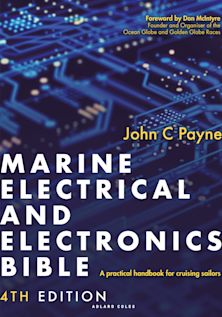
If you are headed somewhere remote consider the need to expand your knowledge base or have an information resource on board. Why not get a copy of my book The Marine and Electrical and Electronics Bible 4th Edition. By and for yachties, with everything from batteries and charging, solar and wind, diesel engines and marine electronics and so much more. Your complete systems guide. 650 pages of practical advice. In Australia and New Zealand order a copy through Boat Books. UK and European boats can buy the UK Edition Here. US and Canadian boats can get the US Edition Order Here. Marine systems are my profession so let me help you. By a liveaboard boat owner for other boat owners

South
Coast NSW – Port Hacking to Eden
Port Hacking. A deep, sheltered estuary with reliable protection. The entrance is straightforward but exposed to swell. Has narrow channels and shifting shoals, but offers reliable shelter in its inner bays. Check the Cruising Guide for Port Hacking here
Wollongong & Port Kembla. Wollongong’s small harbour is exposed to swell from the east and southeast, and surge is common inside; entry is straightforward in calm weather but uncomfortable in any seaway, with limited manoeuvring room once inside.
Port Kembla, just south, is a deep commercial port with a wide, uncomplicated entrance, but yacht movements must avoid shipping and follow port‑control directions; swell can refract around the breakwalls, though the approach remains simple in most conditions. Check the Cruising Guide for Port Kembla here
New South Wales Coastal Navigation Guide - Jervis Bay
Jervis Bay has a wide, deep and uncomplicated entrance with no bar, giving safe access in most conditions. Swell can wrap around the heads in strong southerlies, but there is ample sea room and clear leads. Inside, the bay is large and exposed, with roll common in fresh winds; the most reliable shelter sits in the northern coves, while the southern and eastern shores are open to ocean swell and wind shift. Sudden gusts occur during frontal passages. Check the Cruising Guide for Jervis Bay here
New South Wales Coastal Navigation Guide - Ulladulla
Ulladulla is a small, well‑protected harbour, offering a secure breakwater berth for yachts in settled conditions and convenient access to town services right beside the wharf. Swell can make entry uncomfortable. Check the Cruising Guide for Ulladulla here
Batemans Bay and the Clyde River
Batemans Bay has a bar entrance that can be hazardous in swell, with breaking waves across the shallow outer section; it should only be crossed in settled conditions and with good visibility. Inside, the lower Clyde River is deep and straightforward to navigate up to the bridge, though tidal flow can be strong and wind‑against‑tide conditions create short, steep chop. Upriver, depths reduce and shoaling increases, requiring attention to marks and soundings. Check the Cruising Guide for Batemans Bay here
New South Wales Coastal Navigation Guide - Narooma
Narooma has a narrow, shifting bar entrance that can be hazardous in swell and should only be crossed in settled conditions and on a rising tide. One of the most hazardous bar entrances on the NSW coast., narrow, shallow, and prone to breaking seas. Inside, Wagonga Inlet provides calm water with limited depth in places and straightforward access to basic town services along the foreshore. Check the Cruising Guide for Narooma here.
New South Wales Coastal Navigation Guide - Bermagui
Bermagui is a straightforward all‑weather harbour once inside, but the entrance can be hazardous in swell, with breaking waves across the bar and along the training walls. Entry should only be attempted in settled conditions with good visibility. The approach is narrow, with limited manoeuvring room, and surge can persist inside the basin after heavy seas. Check the Cruising Guide for Bermagui here
Eden (Twofold Bay) and Safe Refuge
Eden is an Entry Port. Eden is one of the safest all‑weather harbours on the NSW coast, with deep water and reliable shelter. A key staging point for Bass Strait crossings. Eden’s Twofold Bay is a deep, all‑weather harbour with no bar and a wide, safe approach in most conditions. Swell can refract into the bay during heavy southerlies, but entry remains straightforward with ample sea room. Inside, the bay is large and exposed, with roll common in fresh winds; the most reliable shelter is tucked into the northern and western corners. Strong southerly changes can send steep chop across the bay, and katabatic winds occasionally descend from the hills at night. Check the Cruising Guide for Eden here
Weather
& Seasonal Hazards – NSW Coast
- Southerly changes (busters) arrive quickly and can produce steep, uncomfortable seas. As noted in several Sydney Hobart Yacht races.
- Easterly swell affects most bar entrances and exposed anchorages.
- River bars are tide‑dependent and often unsafe in moderate swell.
- Summer nor’easters dominate the afternoon sea breeze pattern.
- Winter westerlies can produce offshore winds and flat seas but strong gusts near headlands.
- Limited all‑weather anchorages outside major harbours require careful passage planning.
Website Content
Request
We’re always working to keep our cruising guides as accurate and skipper‑useful as possible, and first‑hand knowledge makes all the difference. If you’ve recently visited any cruising destination, have practical provisioning sources; navigation advice; reliable anchorage information; hazards; a service person endorsement (a great diesel mechanic, marine electrician, rigger) or anything that could help other skippers plan safer and smoother passages, we’d really value your input. Your real‑world experience helps strengthen the entire cruising community. I will, if boat name is given, credit any data and information in the content text. If great images are available for use then please note this in your message and I will contact you directly by email.
New
South Wales Coastal Navigation Guide - Summary
New South Wales offers a coastline shaped by bar entrances, exposed headlands, and a sequence of deep harbours that form the backbone of coastal passage planning. Safe navigation depends on understanding bar behaviour, timing weather windows, and using reliable harbours as staging points. This overview provides the framework for planning, while the linked destination guides deliver the detailed, port‑by‑port information needed for real‑world cruising along the NSW coast. New South Wales Coastal Navigation Guide for useful passage making information.