Yeosu Sailing Guide for Yachts
Yeosu sailing guide for yachts. Yeosu sits on the south coast of Korea on a large, sheltered bay formed by the Dolsan and Yeosu peninsulas. The port complex includes passenger terminals, lighter wharves, small‑boat piers, and industrial berths. The cruise terminal is 400 metres long with an 11‑metre depth and the international passenger terminal is 292 metres long with a 7.1‑metre depth.
The wider Yeosu–Gwangyang system is a major commercial hub with deep water channels and extensive industrial facilities. Yachts can use sheltered water, small‑boat piers, and fishing harbours around the bay. The city provides strong provisioning and marine support through its urban footprint and proximity to Gwangyang
Yeosu Sailing Guide for Yachts - Approaches
Approaches to Yeosu from the south and east carry 20 to 40 metres offshore and shoal gradually into Yeosu Bay. The bay is protected by long breakwaters with designed wave heights between 5.29 and 5.67 metres on the east and west arms. The main fairways lead toward the cruise terminal, passenger terminal, and lighter wharves. Traffic includes passenger vessels, coastal ferries, fish carriers, small tankers, and harbour service craft. Movements follow predictable tracks. AIS is essential for situational awareness in restricted visibility.
Yeosu Sailing Guide for Yachts - Harbour
& Berthing
Yeosu Port includes the cruise terminal, international passenger terminal, coastal passenger piers, lighter wharves, small‑boat terminals, and government berths. Depths range from 3 to 11 metres depending on pier and function. Yachts do not use the cruise or international passenger terminals. Small‑boat piers and fishing harbours around the bay provide workable berths with adequate shelter. Depths at these locations vary from 3 to 6.5 metres depending on pier.
Yeosu Sailing Guide for Yachts - Anchorage
Anchorage is available in Yeosu Bay in 15 to 25 metres over mud. Holding is generally good. Anchorage near the fairways is avoided due to ferry and passenger vessel movements. Exposure is low due to surrounding landforms and breakwaters.
Yeosu Sailing Guide for Yachts - Entry
Formalities
Yeosu is a designated passenger and commercial port. Yachts arriving from overseas normally clear Quarantine, Customs, Immigration, and Port Authority formalities at a primary entry port such as Busan or Incheon before moving along the coast. Once cleared, entry into Yeosu is by port authority permission.
Yeosu Sailing Guide for Yachts - Local Weather & Tides
The south coast around Yeosu has mild winters, warm humid summers, and regular sea breezes. Typhoons can track into the region during late summer. The tidal range is moderate at around 3.6 metres. Tidal streams in the channels between Yeosu and Dolsan can be strong and require timing for safe transit.
Yeosu Sailing Guide for Yachts - Provisioning
Supermarkets. E Mart Yeosu. Large supermarket with full produce, meat, seafood, bakery, frozen goods, dry goods, sauces, rice, noodles, and household supplies. Lotte Mart Yeosu. Full supermarket with strong produce section, meat and poultry counters, seafood counter, bakery, frozen goods, packaged foods, and imported staples. Homeplus Yeosu. Large supermarket with vegetables, fruit, meat, seafood, dairy, bakery, frozen items, dry goods, snacks, beverages, and general household items. Convenience stores including CU, GS25, and 7 Eleven are widely distributed and suitable for short term top ups of drinks, snacks, bread, milk, eggs, and instant meals.
Markets. Yeosu Jungang Market. Traditional market with vegetables, fruit, tofu, kimchi, pickled goods, dried goods, rice, noodles, spices, and prepared side dishes. High turnover due to local demand. Small greengrocers across the city carry vegetables, fruit, tofu, and basic pantry items for quick replenishment.
Fish Markets. Yeosu Fish Market. Wet market with whole fish, fillets, shellfish, squid, and prepared seafood items. Supply is consistent due to regional fishing activity and distribution. Yeosu is a fishing and passenger port with steady supply from local and regional fleets. Supermarket counters carry mackerel, pollock, squid, shellfish, and processed seafood. Specialist fish shops and the fish market provide whole fish, fillets, shellfish, and prepared items such as soy marinated crab and seasoned seafood
Yeosu Sailing Guide for Yachts - Local
Cuisine
Local cuisine in Yeosu reflects south coast Korean food with strong seafood supply. Hoe is served as raw sliced fish from local landings including flatfish, rockfish, and squid. Maeuntang is prepared as a spicy fish stew using mixed coastal species with vegetables in a chili broth. Ganjang gejang is prepared from raw crab marinated in soy sauce and is common when blue crab supply is strong. Jogae gui is prepared as grilled shellfish using clams and oysters from the south coast. Everyday meals follow the regional pattern of rice, soup, kimchi, and multiple side dishes with grilled or braised fish, pork, or chicken. Bakeries in the city produce milk bread and filled buns suitable for onboard provisioning.
Yeosu Sailing Guide for Yachts - Fuel
Supplies
Marine fuel is available at commercial berths and fishing harbours. Depths at fuel capable berths vary from 5 to 11 metres depending on pier. Yachts that secure permission to lie alongside can take diesel by hose. Petrol is obtained from road fuel stations in approved containers.
Yeosu Sailing Guide for Yachts - Water
Supplies
Potable water is available on commercial quays and at fishing harbours by hose connection. Access for yachts depends on berth allocation and local authority permission
Mechanical and Electrical Repairs
Resource
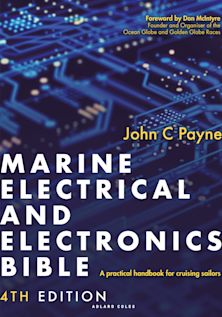
If you are headed somewhere remote consider the need to expand your knowledge base or have an information resource on board. Why not get a copy of my book The Marine and Electrical and Electronics Bible 4th Edition. By and for yachties, with everything from batteries and charging, solar and wind, diesel engines and marine electronics and so much more. Your complete systems guide. 650 pages of practical advice. In Australia and New Zealand order a copy through Boat Books. UK and European boats can buy the UK Edition Here. US and Canadian boats can get the US Edition Order Here. Marine systems are my profession so let me help you. By a liveaboard boat owner for other boat owners

Yeosu Sailing Guide for Yachts - Marine
Services
Yeosu supports ship repair, fishing vessel maintenance, and port engineering. Minor repairs are possible with local contractors. For major yacht work, haul out, and specialist chandlery, skippers normally use Gwangyang or Busan.
Yeosu Sailing Guide for Yachts - Local Customs
Local customs follow standard Korean etiquette. Behaviour in public is quiet and orderly and brief greetings with a small bow are normal in shops and offices. Money and small items are given and received with both hands. Shoes are removed when entering homes and some traditional restaurants and a raised floor at the entrance signals this. Photography of people or working areas is requested politely and port security zones are not photographed. Tipping is not part of local practice and payment is made at the counter. Simple English is sometimes understood in larger shops but slow clear speech and written numbers remain the most reliable approach.
Yeosu Sailing Guide for Yachts - Summary
Yeosu is a sheltered south coast port with passenger terminals, lighter wharves, small‑boat piers, and fishing harbours. Approaches are straightforward with good protection from surrounding landforms and breakwaters. Provisioning is strong through supermarkets, markets, and fish supply. Yachts treat Yeosu as a sheltered harbour and provisioning base within a south coast cruising plan. Yeosu Sailing Guide for Yachts for all you need to know