Wick Scotland Sailing Guide
Wick Scotland Sailing Guide. Wick on the Caithness east coast is a secondary mainland harbour used by yachts repositioning from the Moray Firth or North Sea before continuing to Scrabster, Kirkwall or Lerwick for North Atlantic departures. It provides sheltered access, fuel, basic provisioning and essential services, making it a functional stop for vessels staging tidal windows or waiting on weather before rounding Duncansby Head. The harbour is built around fishing, small‑scale freight and local marine services.
Wick developed as Caithness’s east‑coast commercial harbour because its river mouth and natural basin offered the only workable anchorage between Helmsdale and John o’ Groats. Its industrial footprint, fuel, engineering support and continuous local vessel traffic anchors its role as a practical but limited staging point rather than a primary departure port.
Wick Scotland Sailing Guide - Routing
Logic
Wick is selected when yachts are arriving from the Moray Firth or North Sea and require a sheltered stop before committing to the Pentland Firth or repositioning to Scrabster. Routing from Wick is shaped by tidal streams at Duncansby Head and the Pentland Firth, which reach 8–12 kn and dictate onward movement.
Easterly and northeasterly winds can create steep seas off the Caithness east coast, delaying departures until conditions moderate. Westerlies and southwesterlies generally provide manageable sea states for rounding the headland or continuing north. Fog is less frequent than farther north but still possible in early summer.
Wick is therefore chosen when yachts need a functional east‑coast harbour for weather delays, tidal timing or repositioning, not as a primary North Atlantic departure point.
Wick Scotland Sailing Guide - Approaches
Approaches from the south and east encounter depths rising from 60–30 m before entering Wick Bay. Sea states can be confused in strong northerlies or when swell wraps around headlands. Visibility can deteriorate quickly in frontal conditions.
The entrance channel carries 6–10 m mid‑channel depths with adequate lateral clearance. The inner harbour is sheltered from most directions. Traffic includes fishing vessels and local craft. Maintain controlled speed and monitor VHF for port movements.
Wick Scotland Sailing Guide - Anchorage
Anchorage in Wick Bay is limited and exposed, with 10–15 m depths and poor protection in northerlies. It is not recommended for operational use. Most yachts berth inside the harbour on pontoons or alongside quays.
Wick Scotland Sailing Guide - Entry
Formalities
Wick is not a primary UK port of entry. Yachts arriving from outside the UK must clear at an authorised entry port before proceeding. Once cleared, movement along the Scottish coast is unrestricted under UK cruising rules.
Wick Scotland Sailing Guide - Marina
Facilities
Wick Harbour provides pontoons and alongside berths with 3–5 m depths. Additional berthing is available on commercial quays with 5–7 m depths. Surfaces are industrial and require substantial fendering. Shore power, potable water and waste disposal are available. Space is seasonal and dependent on fishing activity.
Wick Scotland Sailing Guide - Local
Weather
Weather is shaped by North Atlantic lows, producing strong winds and rapid frontal changes. Easterlies and northeasterlies create steep seas off the east coast and delay onward routing. Westerlies and southwesterlies provide more stable conditions for rounding Duncansby Head. Summer brings long daylight hours and variable visibility. There is no katabatic wind risk in Wick. Local wind effects are limited to gusts off surrounding hills and mechanical turbulence in frontal conditions.
Wick Scotland Sailing Guide - Provisioning
Supermarkets. Wick has two supermarkets suitable for practical yacht reprovisioning: Tesco Superstore (North Road) has fresh produce, meat, dairy, bakery, frozen goods, dry stores, household supplies. Lidl (Wick Retail Park) has fresh produce, meat, dairy, bakery, frozen goods, dry stores.
Markets. Wick has no permanent produce markets. Seasonal stalls appear intermittently but are not reliable for yacht provisioning.
Fish Markets. Local seafood is obtained through fishmongers and retail outlets. Cod, haddock, mackerel and shellfish are available depending on season and quota. No public fish market operates.
Wick Scotland Sailing Guide - Local
Cuisine
Local cuisine reflects Caithness fishing and agricultural traditions: Salt Fish is preserved white fish rehydrated and cooked with potatoes and onions. Fish Cakes are minced white fish with potato and seasoning. Boiled Meat and Vegetables is a traditional Orkney preparation using preserved meats. Shellfish are crab, mussels and scallops, steamed or boiled with minimal seasoning.
Wick Scotland Sailing Guide - Fuel
Supplies
Diesel is available at commercial fuel docks with 5–7 m depths alongside. Dispensing is via hose directly to deck. Fuel quality meets UK commercial standards.
Wick Scotland Sailing Guide - Water
Supplies
Potable water is available at pontoons and commercial quays via municipal taps. Pressure and hose compatibility vary by location.
Mechanical
and Electrical Repairs Resource
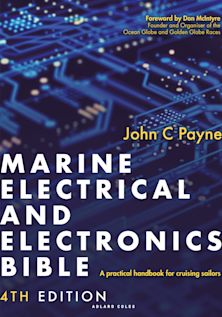
If you are headed somewhere remote consider the need to expand your knowledge base or have an information resource on board. Why not get a copy of my book The Marine and Electrical and Electronics Bible 4th Edition. By and for yachties, with everything from batteries and charging, solar and wind, diesel engines and marine electronics and so much more. Your complete systems guide. 650 pages of practical advice. In Australia and New Zealand order a copy through Boat Books. UK and European boats can buy the UK Edition Here. US and Canadian boats can get the US Edition Order Here. Marine systems are my profession so let me help you. By a liveaboard boat owner for other boat owners

Wick Scotland Sailing Guide - Marine
Services
Wick offers basic marine services including diesel mechanics, electrical technicians and small‑scale fabrication. Larger repairs require routing to Scrabster, Kirkwall or Inverness. Chandlery supplies are limited to hardware stores and fishing‑industry outlets.
Wick Scotland Sailing Guide - Local
Customs
Wick is a working harbour. Yachts must avoid obstructing commercial operations and maintain clear communication with port authorities. Behaviour is expected to be practical and respectful. No specific cultural protocol applies within the harbour.
Wick Scotland Sailing Guide - Summary
Wick is a secondary east‑coast Scottish harbour used by yachts repositioning from the Moray Firth or North Sea before continuing to Scrabster, Kirkwall or Lerwick. It offers sheltered access, practical provisioning, fuel, water and essential marine services, making it a functional staging point rather than a primary North Atlantic departure port. The Wick Scotland Sailing Guide for all you need to know.