Tsushima Sailing Guide for Yachts
Tsushima Sailing Guide for Yachts. Tsushima lies between Kyushu and Korea and forms a long, narrow island divided into northern and southern sections with deep bays, narrow channels, and predictable approaches. The coastline is indented with multiple harbours that provide reliable shelter in all seasons. Depths are consistent across the main ports and the island’s shape creates natural protection from the open sea. This Tsushima sailing guide for yachts sets out the operational details for approaches, inter island movement, berthing, fuel, provisioning, and local procedures for skippers moving through the region.
Tsushima is not a port of entry and yachts arriving from overseas complete formalities at Fukuoka or Hakata before entering the area. Once cleared, movement throughout the island is straightforward with well charted routes and simple harbour access. The island’s ports support predictable vessel behaviour and the provisioning footprint is concentrated in Izuhara and Hitakatsu with smaller but reliable sources across other settlements. Fuel and water are available in the main harbours and depths remain stable throughout the island’s bays and channels.
Tsushima Sailing
Guide for Yachts - Approaches
Approaches from the south pass through the Tsushima Strait with offshore depths of 50 to 100 metres. Approaches from the north pass through the Korea Strait with similar depths. The coastline shoals gradually toward the island with no unmarked hazards on charted routes. Channels between headlands and bays carry 10 to 40 metres. Narrow passages such as Aso Bay carry strong tidal streams that can exceed 3 knots at peak. Visibility can be reduced by sea fog in spring and early summer.
Tsushima Sailing
Guide for Yachts - Primary
Harbours
Izuhara Port. Main harbour on southern Tsushima. Approach depths are 10 to 18 metres. Inner harbour carries 4 to 6 metres. Public pontoons available for visiting yachts.
Hitakatsu Port. Main harbour on northern Tsushima. Approach depths are 10 to 20 metres. Inner harbour carries 4 to 6 metres. Fuel available at commercial wharf.
Aso Bay Harbours. Aso Bay contains multiple small harbours with approach depths of 10 to 20 metres and inner basins of 3 to 6 metres. Navigation requires attention to narrow channels and strong tidal streams.
Kamitsushima Small Ports. Small ports on the northern island carry 4 to 6 metres in inner basins and 10 to 20 metres in approaches.
Tsushima Sailing
Guide for Yachts - Anchorage
Anchorages are located in deep bays across the island. Common depths are 8 to 20 metres over mud or sand. Most anchorages are sheltered by steep hills and narrow entrances. Fishing gear is present in many bays and requires visual attention.
Tsushima Sailing
Guide for Yachts - Local Weather
Tsushima experiences a
maritime climate with moderate winds and frequent changes in visibility.
- Spring brings variable winds and sea fog.
- Summer is influenced by south westerlies and typhoon activity offshore.
- Autumn is settled with clear air.
- Winter brings strong north westerlies and short seas on exposed coasts while inner bays remain calm.
Tidal streams are strongest in narrow channels and can exceed 3 knots.
Tsushima Sailing
Guide for Yachts - Provisioning
Supermarkets. Izuhara. Maruwa Izuhara. Full service supermarket with vegetables, fruit, meat, seafood, dairy, frozen food, noodles, sauces, dry goods, snacks, bakery items, household supplies, and a small imported goods section. YouMe Mart Izuhara. Regional supermarket with vegetables, fruit, meat, prepared foods, rice, noodles, sauces, packaged goods, frozen items, and daily staples. Coop Izuhara. Agricultural cooperative supermarket with strong local produce, tofu, miso, dairy, Kyushu grown vegetables, and basic dry goods. Hitakatsu. Hitakatsu has one main supermarket carrying vegetables, fruit, meat, seafood, dairy, noodles, sauces, packaged goods, and frozen items. Convenience stores including Lawson and FamilyMart carry packaged meals, drinks, snacks, bread, milk, eggs, and basic dry goods. Other Settlements. Small supermarkets and general stores across Tsushima carry vegetables, fruit, noodles, sauces, packaged goods, and frozen items. Stock reflects local demand.
Markets. Izuhara. Izuhara Farmers Market. Retail friendly farmers market offering Kyushu vegetables, citrus, sweet potatoes, mushrooms, herbs, and seasonal specialties. Local Weekend Markets. Small weekend markets and occasional pop up stalls in central Izuhara. Stock includes local produce, baked goods, and regional food items. Small greengrocers across Izuhara carry vegetables, fruit, tofu, pickled goods, dried goods, and basic pantry items. Hitakatsu and Other Areas. Small greengrocers carry vegetables, fruit, tofu, pickled goods, and basic dry items.
Fish Markets. Izuhara. Izuhara Fish Market Retail Area. Main seafood hub with a public retail section selling fresh fish, shellfish, and seasonal local catch. Turnover reflects daily landings. Izuhara Port Coastal Vendors. Small coastal stalls near the port selling local catch including mackerel, squid, sardines, and seasonal species. Izuhara Town Fish Shops. Long established fishmongers in the town centre selling whole fish, fillets, and processed seafood. Hitakatsu and Other Areas. Small fish stalls in Hitakatsu and coastal settlements sell locally caught coastal species. Quantities vary by day.
Tsushima Sailing
Guide for Yachts - Fuel Supplies
Fuel is available at
commercial wharves in Izuhara and Hitakatsu. Alongside depths are 5 to 7 metres.
Fuel is dispensed by hose from fixed pumps. Petrol is purchased ashore in approved containers.
Tsushima Sailing
Guide for Yachts - Water Supplies
Potable water is available at public pontoons in Izuhara and Hitakatsu. Other harbours provide water through harbour offices or designated taps.
Mechanical
and Electrical Repairs Resource
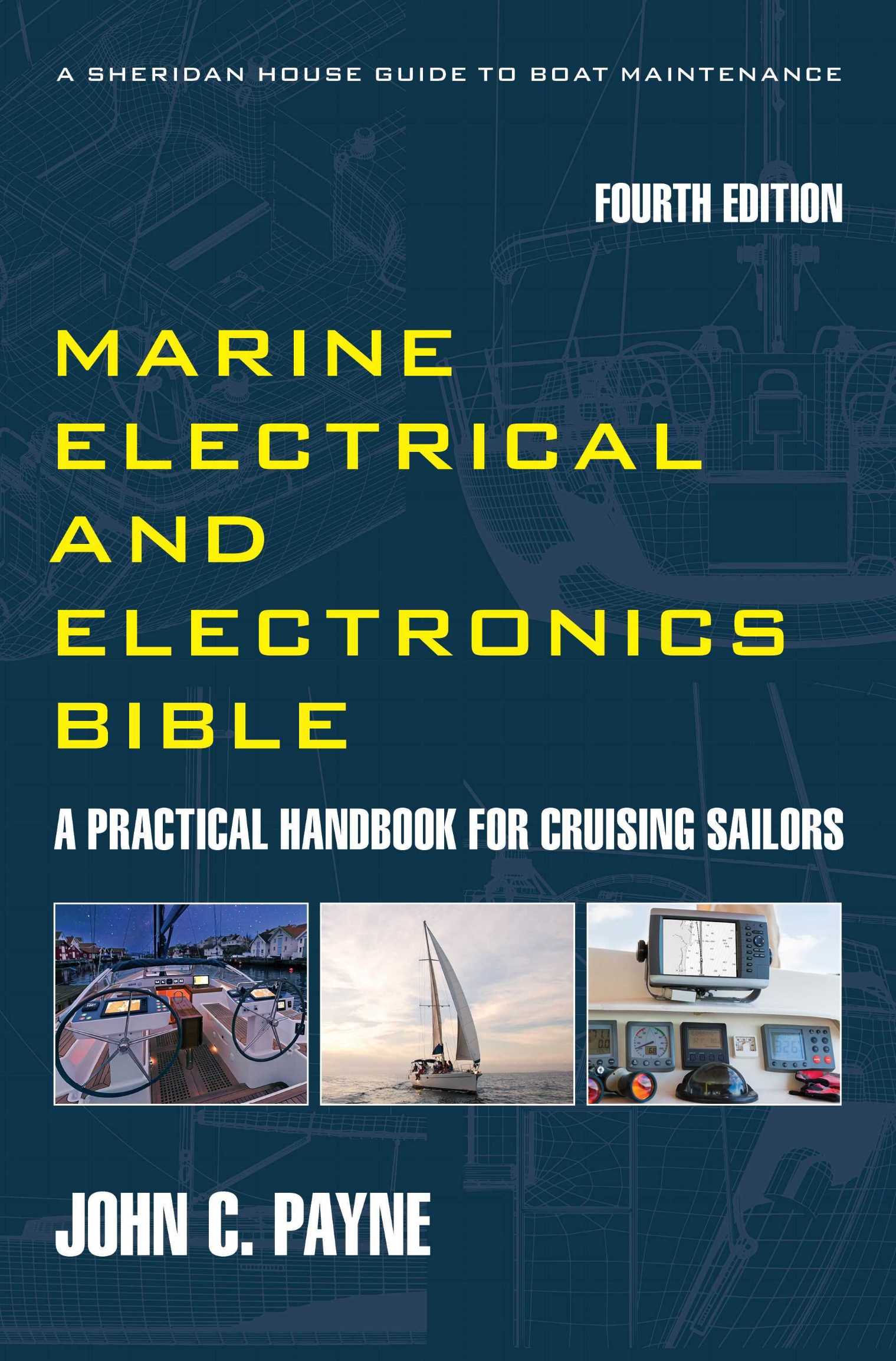
If you are headed somewhere remote consider the need to expand your knowledge base or have an information resource on board. Why not get a copy of my book The Marine and Electrical and Electronics Bible 4th Edition. By and for yachties, with everything from batteries and charging, solar and wind, diesel engines and marine electronics and so much more. Your complete systems guide. 650 pages of practical advice. In Australia and New Zealand order a copy through Boat Books. UK and European boats can buy the UK Edition Here. US and Canadian boats can get the US Edition Order Here. Marine systems are my profession so let me help you. By a liveaboard boat owner for other boat owners

Tsushima Sailing
Guide for Yachts - Marine
Services
Izuhara has basic mechanical and electrical services. Specialist support including engine diagnostics and electronics is available in Fukuoka. Haul out facilities on Tsushima are limited to small local vessels.
Tsushima Sailing
Guide for Yachts - Local Customs
Japan’s maritime culture is formal and procedural. Predictable vessel movement is expected; commercial traffic has priority. Officials expect accurate paperwork and concise answers. Documents are handed over with two hands. Noise discipline is strict. Waste must be sorted correctly. Shoes may need to be removed in some offices. Photography of port, naval, or security areas is restricted. Drone use requires approval. Punctuality is essential. Courtesy is expressed through brief bows and polite language.
Hello. Japanese has several forms depending on time of day and formality. Konnichiwa is the standard daytime “hello”. ohayō gozaimasu is “good morning” and konbanwa is “good evening”.
Thank you. Two main forms, both correct. arigatō is casual and arigatō gozaimasu is polite and standard. For harbours, officials, and shops arigatō gozaimasu is the correct form.
Tsushima Sailing
Guide for Yachts - Summary
Tsushima provides a chain of deep bays and sheltered harbours with reliable depths, straightforward approaches, and a complete provisioning footprint centred on Izuhara and Hitakatsu. Fuel and water are accessible across the main ports. This Tsushima sailing guide for yachts provides the operational detail required for safe movement throughout the island. The Tsushima Sailing Guide for Yachts has all you need to know.