Tristan da Cunha Sailing Guide
Tristan da Cunha Sailing Guide. Tristan da Cunha is the most remote inhabited island group in the world and the southern outpost of the South Atlantic chain, used only by expedition‑grade yachts routing between Cape Town, St Helena and the high‑latitude arc toward Gough Island and South Georgia.
The island is part of the British Overseas Territory of St Helena, Ascension and Tristan da Cunha, with local administration based in Edinburgh of the Seven Seas. This governance structure defines the island’s controlled but civilian character: Tristan is not a port in the commercial sense, but a functioning settlement with a small population, limited services and a predictable administrative framework for visiting vessels.
Tristan da Cunha Sailing Guide
Routing Logic
Tristan da Cunha is selected when yachts require a mid‑ocean landfall between Cape Town and St Helena or when routing south toward Gough Island and the Scotia Sea. The island sits in the path of Southern Ocean systems, with long‑period swell and strong westerlies shaping all approaches. Yachts arriving from Cape Town use Tristan as a consolidation point before committing to the longer leg toward St Helena, while vessels routing south treat the island as the final civilian contact before entering the high‑latitude regime. Tristan therefore functions as the southern hinge of the mid‑Atlantic chain, providing a rare combination of anchorage, limited provisioning and a stable administrative presence.
Tristan da Cunha Sailing Guide
Vessel Traffic and Seasonal Operations
Vessel traffic is light and shaped by the island’s supply schedule. A small number of fishing vessels operate seasonally, and occasional research ships visit as part of broader South Atlantic programs. Yacht traffic is minimal and concentrated in the austral summer when weather windows are workable. All vessel movements are shaped by swell, weather and the island’s limited landing conditions.
Tristan da Cunha Sailing Guide
Environmental and Eco‑Activity Framework
Tristan operates as a conservation‑focused environment, with strict controls on landings and wildlife interactions. Visitors engage with the island’s ecological story through controlled, low‑impact movements ashore, following biosecurity protocols and respecting protected areas. The island’s unique ecosystem and remote setting define the visitor experience, which is shaped by environmental stewardship rather than recreation.
Tristan da Cunha Sailing Guide
Historical and Present Human Presence
Tristan da Cunha has been inhabited since the early 19th century, with a small, resilient community established at Edinburgh of the Seven Seas. The island’s history includes sealing, subsistence agriculture and limited commercial activity, but it has never developed into a large settlement. Today, the population remains small and self‑sufficient, supported by fishing, agriculture and periodic supply ships. The island’s status as a British Overseas Territory ensures stable governance, but its extreme isolation defines daily life and all interactions with visiting vessels.
Edinburgh of the Seven Seas got its name in honor of Prince Alfred, Duke of Edinburgh, the second son of Queen Victoria. The settlement was named after his visit to the island in 1867. It was originally founded in 1816 by Sergeant William Glass from Kelso, Scottish Borders, after the UK annexed Tristan da Cunha. The name reflects the island's British heritage and commemorates the Duke's visit, linking this remote community to the British royal family and maritime traditions. Locally, the settlement is often simply called "The Settlement."
Tristan da Cunha Sailing Guide
Approaches
Approaches to Tristan encounter depths rising from 3000–50 m, with long‑period swell from the west and southwest wrapping around the island’s volcanic coastline. The settlement of Edinburgh of the Seven Seas lies on the northwest coast, with anchoring positions in 20–30 m over sand and rock. Swell can make landings difficult, and yachts must assess conditions carefully before committing to a dinghy transfer. Fog and rapid weather changes are common, and all approaches require conservative speed management and continuous monitoring of swell behaviour.
Tristan da Cunha Sailing Guide
Anchorages
The primary anchorage lies off Edinburgh of the Seven Seas, offering workable shelter in 20–30 m but exposed to swell and wind shifts. Holding is variable, and yachts must be prepared to relocate or depart if conditions deteriorate. There are no alternative anchorages with reliable shelter, and the island’s steep coastline limits options. The anchoring environment is functional but weather‑dependent, shaped entirely by swell and the island’s volcanic topography.
Tristan da Cunha Sailing Guide
Entry Formalities
Entry formalities reflect Tristan’s status as a British Overseas Territory with a small civilian administration. Yachts must request permission to visit in advance, providing crew details, vessel information and intended activities. On arrival, clearance is completed with local officials, who manage immigration, customs and biosecurity under BOT regulations. Movements ashore are controlled but straightforward, with visitors required to respect local guidelines and environmental protections. The system is predictable and designed to support occasional visiting vessels.
Tristan da Cunha Sailing Guide
Marina and Harbour Facilities
There is no marina and no harbour infrastructure. Yachts anchor offshore and land by dinghy when conditions allow. A small harbour exists for local boats, but it is not suitable for visiting yachts. All operations are conducted from the anchorage, and vessels must remain self‑sufficient.
Tristan da Cunha Sailing Guide
Local Weather
Weather is dominated by Southern Ocean westerlies, which bring strong winds, rapid shifts and long‑period swell. Frontal systems pass frequently, and conditions can deteriorate quickly. Fog is common, especially during seasonal transitions. The island’s exposure demands conservative planning and careful monitoring of approaching systems.
Tristan da Cunha Sailing Guide
Provisioning
Provisioning on Tristan is limited but present, reflecting the island’s small civilian population and infrequent supply ships. The settlement has a general store with basic dry goods, limited fresh produce and occasional local products depending on season and supply cycles. Fresh vegetables and meat are available intermittently, and yachts should not rely on Tristan for full reprovisioning. Fish may be available from local operators, but availability depends on weather and local activity. Tristan functions as a minimal top‑up point, not a provisioning hub.
Tristan da Cunha Sailing Guide
Local Cuisine
Local cuisine reflects the island’s agricultural and fishing traditions, with simple preparations of fish, potatoes and locally raised livestock forming the core of most meals. The most recognisable local dish is Tristan lobster, a spiny lobster species caught in surrounding waters and forming part of the island’s cultural identity. This dish is considered the island's special signature dish, celebrated for its unique flavor and local significance. Meals ashore are limited to community settings, as there are no public restaurants.
Tristan da Cunha Sailing Guide
Fuel Supplies
Fuel availability is extremely limited and not guaranteed. Small quantities of diesel may be available from the island’s supply, but yachts must not rely on Tristan for refuelling. All vessels should arrive with sufficient reserves for onward routing.
Tristan da Cunha Sailing Guide
Water Supplies
Potable water may be available in limited quantities, transferred by container or jerry can depending on conditions. Supply is reliable for local needs but not intended for full yacht replenishment.
Mechanical
and Electrical Repairs Resource
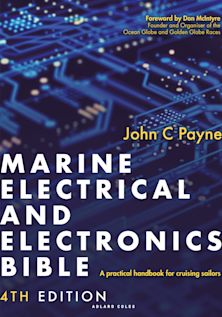
If you are headed somewhere remote consider the need to expand your knowledge base or have an information resource on board. Why not get a copy of my book The Marine and Electrical and Electronics Bible 4th Edition. By and for yachties, with everything from batteries and charging, solar and wind, diesel engines and marine electronics and so much more. Your complete systems guide. 650 pages of practical advice. In Australia and New Zealand order a copy through Boat Books. UK and European boats can buy the UK Edition Here. US and Canadian boats can get the US Edition Order Here. Marine systems are my profession so let me help you. By a liveaboard boat owner for other boat owners

Tristan da Cunha Sailing Guide
Marine Services
Marine services are minimal, with only basic assistance available from local technicians. There is no chandlery, no repair yard and no technical support beyond small‑scale local capability. Any significant issue requires routing to Cape Town or St Helena.
Tristan da Cunha Sailing Guide
Summary
Tristan da Cunha is the southern outpost of the South Atlantic chain, providing a rare combination of anchorage, limited provisioning and a stable civilian presence in one of the most remote regions on earth. Its BOT governance, exposed anchorages and minimal services define its operational character. It is a destination for well‑prepared, self‑sufficient vessels only, with all movements dictated by weather, swell and the island’s unique environmental and community framework. The Tristan da Cunha Sailing Guide is here to help.