Tinsmith Island Sailing Guide
Tinsmith Island sailing guide. Tinsmith Island is a small, rugged outlier sitting between Shaw Island and the deeper water of the southern Whitsunday passages. Its steep sides, narrow shelves, and tight fringing reef give it a compact, self‑contained feel, and the island behaves more like a rocky headland than a broad anchorage destination. The sea state stays manageable thanks to the surrounding islands, but the breeze accelerates around the points, giving Tinsmith a slightly more energetic character than its size suggests.
The western side offers the only workable anchorage, a small indentation of sand and broken reef that settles nicely in moderate trade‑wind weather. The eastern face is exposed, reef‑edged, and open to the breeze, with no practical overnight options. Tinsmith is best treated as a short‑stay, fair‑weather stop, a quiet pocket for lunch, a tide‑wait, or a brief pause on passage between Shaw and the Lindeman Group. Its simplicity makes it easy to use: one anchorage, one approach, and a compact, tucked‑away feel.
Tinsmith Island Sailing
Guide - Approaches
Approaches to Tinsmith Island are uncomplicated in good light. Offshore depths ease from 14–22 m into 8–12 m as you close the island, flattening into 4–7 m over sand inside the anchoring pocket. The fringing reef rises into 2–4 m, especially around the northern and southern points, and the reef edge is easy to read. Approaches from the east are more exposed and shaped by a sharper reef shelf, with depths dropping quickly and little room to manoeuvre.
Tinsmith Island Sailing
Guide - Western Anchorage (Primary)
The western indentation provides the only reliable anchorage, with sand in 4–7 m and good shelter in SE–E winds. The holding is firm, the swing room modest, and the sea state remains low thanks to the island’s position in the lee of Shaw. The fringing reef sits tight to the points, rising into 2–4 m, and is easy to avoid in good light. A light roll can develop in W–SW winds, but the anchorage remains workable in moderate conditions.
Tinsmith Island Sailing
Guide - Eastern Side Anchorage
The eastern face is exposed, steep, and shaped by fringing reef rising into 2–4 m. Depths outside the reef sit in the 12–18 m range, but the shelf is too narrow for anchoring. This side of the island is best treated as a transit zone.
Tinsmith Island Sailing
Guide - Navigation
Navigation around Tinsmith Island is simple, with a predictable depth gradient and easily read reef edges. The western approach offers clean sand and a gentle transition into the anchorage, while the eastern side has a sharper drop‑off and more abrupt reef shelves. The northern and southern points have narrow coral tongues that rise quickly and should be avoided in low light. Tidal streams are mild and rarely complicate anchoring.
Tinsmith Island Sailing
Guide - Weather
Tinsmith Island sits partially sheltered by Shaw, which keeps the sea state low in the prevailing SE–E trade‑wind pattern. The western anchorage remains comfortable in moderate trades, though gusts can spill around the island in fresh breezes. The eastern side is exposed in all trade‑wind conditions and is not suitable for anchoring. Swell intrusion is minimal, and the anchorage performs best in settled to moderate weather.
Tinsmith Island Sailing
Guide - Fishing
Fishing around Tinsmith Island has a tight, structure‑driven character shaped by its steep sides, narrow reef shelves, and the influence of nearby Shaw. The western side holds trout, sweetlip, and tuskfish around the scattered bommies and rubble patches, with flathead and grunter working the sand tongues that run toward the channel. The tide is slightly stronger here than around Cole or Barber, and the best bites often come on the first of the flood when bait is pushed along the reef edge. The eastern face carries cleaner water and draws trevally and queenfish on calm days, though the reef edge is too abrupt for comfortable anchoring. Water clarity improves quickly after a run of light easterlies, and the deeper pockets behind the reef shelves often fire when the current slackens. Most skippers fish from the dinghy, drifting the western apron or working the reef edge in settled conditions. Ciguatera risk is low this close inshore, with only larger reef predators warranting caution.
Mechanical and Electrical Repairs Resource
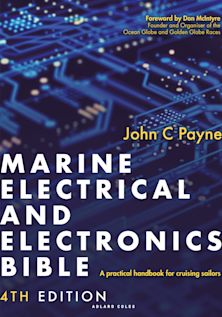
If you are headed somewhere remote consider the need to expand your knowledge base or have an information resource on board. Why not get a copy of my book The Marine and Electrical and Electronics Bible 4th Edition. By and for yachties, with everything from batteries and charging, solar and wind, diesel engines and marine electronics and so much more. Your complete systems guide. 650 pages of practical advice. In Australia and New Zealand order a copy through Boat Books. UK and European boats can buy the UK Edition Here. US and Canadian boats can get the US Edition Order Here. Marine systems are my profession so let me help you. By a liveaboard boat owner for other boat owners

Tinsmith Island Sailing
Guide - Summary
Tinsmith Island is a compact, rugged waypoint with a single reliable anchorage on its western side and simple approaches in good light. Offshore depths ease predictably, the reef edges are easy to read, and the sea state stays low thanks to the shelter of nearby Shaw. The eastern side is too exposed for anchoring, while the western pocket offers a calm, dependable stop in moderate conditions. Fishing is modest but energetic, shaped by steep reef edges, scattered bommies, and slightly stronger tidal flow. Tinsmith is best enjoyed as a peaceful, short‑stay anchorage on passage through the southern Whitsundays. The Tinsmith Island Sailing Guide has all you need to know.