Seaforth Island Sailing Guide
Seaforth Island sailing guide. Seaforth Island sits immediately north of Lindeman and forms the middle link in the Lindeman–Seaforth–Shaw chain. It is a compact, wooded island with a predictable underwater profile, gentle depth gradients, and several workable anchorages shaped by tide height and wind angle rather than open‑ocean exposure. Approaches are simple in good light, with offshore depths easing from 14–20 m into 8–12 m near the island and flattening into 4–7 m over sand inside the anchorages.
Fringing reef rises into 2–4 m around the headlands, and the channels between Seaforth, Lindeman, and Shaw remain navigable with depths generally in the 6–10 m range. The island sits in the heart of the trade‑wind belt but is sheltered enough that the sea state remains manageable even when the breeze freshens.
Seaforth Island Sailing Guide - Introduction
Seaforth Island offers a calm, predictable cruising environment with anchorages that perform well in the prevailing SE–E trade‑wind pattern. The western and northwestern sides provide the most reliable shelter, with broad sandy bottoms, a gentle depth gradient, and minimal fetch. The eastern side is more exposed and shaped by fringing reef, with fair‑weather pockets that work in light winds but no primary overnight stops. The island’s compact size and simple underwater structure make it an easy waypoint for vessels moving between Lindeman and Shaw, and the navigation remains straightforward across most of the tidal cycle.
The seabed around Seaforth is consistent: a smooth transition from 14–20 m offshore into 8–12 m near the shoreline, then 4–7 m inside the anchoring zones. The fringing reef shelves rise into 2–4 m, and the sand tongues between the reefs provide clean holding. The tidal range is moderate, and the anchorages retain workable depth across most of the cycle.
Seaforth Island Sailing Guide - Approaches
Approaches to Seaforth Island are uncomplicated in settled conditions. From the west and northwest, depths ease from 14–20 m into 8–12 m as you close the island, then flatten into 4–7 m over sand inside the anchoring areas. The seabed is mostly clean, with coral confined to the points and easily visible in good light. Approaches from the east require more attention, as the fringing reef rises quickly into 2–4 m, and the depth transition is abrupt. The channels between Seaforth, Lindeman, and Shaw are narrow but navigable, with depths in the 6–10 m range and occasional shallower patches near the edges.
Seaforth Island Sailing Guide - Western Anchorage
The western side of Seaforth provides the most reliable anchorage, with a broad sandy bottom in 4–7 m and strong protection in SE–E winds. The depth gradient is gentle, the holding firm, and the swing room generous. The fringing reef is confined to the northern and southern points, rising into 2–4 m and easy to read in good light. A light roll can develop in W–SW winds, but the anchorage remains workable.
Seaforth Island Sailing Guide - Northwestern Pocket
The northwestern indentation offers a smaller but well‑protected anchorage with depths in the 4–6 m range over sand. This pocket is snug, quiet, and sheltered from the trades, though the swing circle is tighter and the reef shelves more pronounced. It performs well in SE–E winds and remains workable in moderate NE breezes.
Seaforth Island Sailing Guide - Eastern Side
The eastern face of Seaforth is more exposed and shaped by fringing reef rising into 2–4 m. Depths outside the reef sit in the 10–14 m range, but the shelf is abrupt, and the area is best treated as a transit zone rather than an anchorage. Fair‑weather pockets exist but are not primary overnight stops.
Seaforth Island Sailing Guide - Navigation
Navigation around Seaforth Island is straightforward in good light. The western and northwestern approaches offer clean sand bottoms and a predictable depth gradient from 14–20 m offshore into 4–7 m inside the bays. The fringing reef shelves are easy to read, though low sun angles can obscure coral on the eastern side. The channels between Seaforth, Lindeman, and Shaw are narrow but navigable, with depths in the 6–10 m range and occasional shallower patches near the edges. Tidal streams are moderate and rarely complicate anchoring.
Seaforth Island Sailing Guide - Weather
Seaforth Island sits squarely in the SE trade‑wind regime, with typical seasonal winds in the 15–25 knot range. The western and northwestern anchorages remain comfortable in these conditions, with minimal fetch and reliable holding. The eastern side becomes exposed in fresh trades and is best used only in light winds. Swell intrusion is minimal across the group, and the sea state remains manageable even when the breeze freshens. The tidal range is moderate, and the anchorages retain workable depth across most of the cycle.
Seaforth Island Sailing Guide - Fishing
Fishing around Seaforth Island follows the same inshore–reef pattern as the broader Lindeman Group, shaped by shallow banks, fringing coral, and the steady tidal flow that moves between the islands. The western side holds a dependable mix of trout, sweetlip, and tuskfish along the bommies and rubble patches, while the sand tongues between Seaforth and Lindeman produce grunter and flathead when the tide begins to make. The channels tighten the current enough to draw queenfish, trevally, and the occasional mackerel on clean water, especially on the first of the flood when bait lifts off the bottom. The deeper pockets behind the reefs often fire when the current slackens, and the more exposed eastern faces produce pelagics when the wind drops out. Most skippers fish from the dinghy, drifting the channels or working the reef edges in settled conditions, as anchoring close to structure is rarely practical. Ciguatera risk exists but is lower than in the outer island groups, with only larger reef predators warranting caution.
Mechanical and Electrical Repairs
Resource
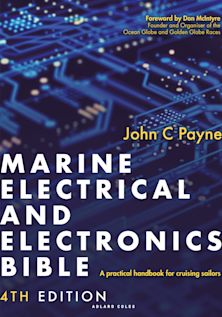
If you are headed somewhere remote consider the need to expand your knowledge base or have an information resource on board. Why not get a copy of my book The Marine and Electrical and Electronics Bible 4th Edition. By and for yachties, with everything from batteries and charging, solar and wind, diesel engines and marine electronics and so much more. Your complete systems guide. 650 pages of practical advice. In Australia and New Zealand order a copy through Boat Books. UK and European boats can buy the UK Edition Here. US and Canadian boats can get the US Edition Order Here. Marine systems are my profession so let me help you. By a liveaboard boat owner for other boat owners

Seaforth Island Sailing Guide - Summary
Seaforth Island is a calm, predictable cruising ground with reliable anchorages on its western and northwestern sides, simple approaches, and a consistent depth profile that makes navigation straightforward. Offshore depths ease from 14–20 m into 8–12 m near the island and flatten into 4–7 m over sand inside the bays, with fringing reef rising into 2–4 m around the points. The island performs well in the prevailing SE–E trade‑wind pattern, with minimal swell and a manageable sea state. For skippers moving through the southern Whitsundays, Seaforth offers a dependable, low‑stress stop with enough variety in anchorages and fishing to make it a natural waypoint on any coastal passage. The Seaforth Island Sailing Guide has a lot of useful information.