Sailing to Osaka Seto Inland Sea
Sailing to Osaka Seto Inland Sea. Osaka is one of the main urban ports on the eastern side of the Seto Inland Sea and a practical stop for yachts navigating Osaka Bay. The location makes it a very useful waypoint for boats entering the region from the Pacific coast or preparing to continue west toward Kobe, Awaji Island, and the central Seto Naikai. The port offers sheltered berths, predictable and uncomplicated approaches, and access to a wide range of services. For many cruising yachts, Osaka functions as a convenient operational base for resupply, maintenance, and crew changes.
The surrounding cruising region includes Osaka Bay, the Yodo River delta, and the approaches to the Akashi Strait. Distances between ports are short, and the bay provides a benign environment for preparation and repairs. Osaka’s marinas are accustomed to visiting yachts, and the city’s infrastructure supports everything from routine provisioning to more technical maintenance. For boats planning extended passages through the Inland Sea, Osaka is a logical staging point.
Sailing to Osaka Seto Inland Sea - Navigation
Approaching Osaka requires crossing Osaka Bay, a semi‑protected water body with heavy commercial traffic. Yachts should expect many large and small container ships, fast ferries, and coastal cargo vessels moving along designated traffic lanes. AIS and radar are essential for maintaining situational awareness, especially during periods of haze or reduced visibility. The main channels are wide, deep, and clearly marked, and navigation is straightforward when following established routes.
Arriving from the east. Yachts entering Osaka Bay from the Kii Channel follow the northern arc of the bay toward the city. Depths are consistent, and the coastline becomes increasingly industrial and urban as Osaka approaches. Winds are generally moderate, and swell is minimal. From the west, yachts transiting the Akashi Strait should plan their passage around tidal flow. The strait is wide, but currents can be strong, particularly during spring tides.
Osaka’s marinas are located along the waterfront and within protected basins. Approaches are simple, with breakwaters providing protection from wind chop and ferry wash. Turning basins are wide, and the average water depths of 2-5 meters are suitable for most boats. Marina staff can assist with berthing and provide guidance on local procedures. Navigation marks are well maintained, and night lighting is reliable.
Sailing to Osaka Seto Inland Sea - Entry Protocols
Osaka is not typically used as a primary international entry port for yachts, but procedures are similar to other major Japanese ports. International arrivals must complete immigration, customs, and quarantine procedures. Advance notice is recommended, and authorities may request vessel details, crew lists, and estimated arrival times.
For yachts already cruising within Japan, Osaka functions as a domestic port. Foreign‑flagged vessels using the Naikosen system can move between ports without repeating full customs clearance. Marina offices are familiar with Naikosen procedures and can assist with documentation if needed.
Harbor dues and marina fees vary by facility. Waste‑disposal rules are strict, and boats should follow local sorting requirements. Most marinas provide clear instructions on recycling categories and disposal points.
Sailing to Osaka Seto Inland Sea - Local Weather
Osaka Bay provides a sheltered environment with predictable seasonal patterns:
- Spring: Mild temperatures, light to moderate winds, and occasional fog. Conditions are suitable for coastal passages.
- Summer: Warm and humid with light winds. Afternoon sea breezes are common. Typhoons may affect the region, though the bay’s sheltered nature reduces swell impact.
- Autumn: Clear skies, moderate winds, and comfortable temperatures. This is often the most reliable season for sailing.
- Winter: Cold northerly winds can be strong, but seas remain manageable inside the bay.
- Visibility: This can be reduced by haze in summer and by stagnant air in winter. Radar is useful when navigating near commercial lanes.
Sailing to Osaka Seto Inland Sea - Provisioning
Osaka is one of the best provisioning ports in the region, with large supermarkets, traditional markets, and specialty food stores easily accessible from the marinas. Provisioning is efficient, and most stores accept credit cards. Imported goods are widely available, making Osaka a suitable location for long‑term resupply before entering more remote areas of the Inland Sea.
Supermarkets: Aeon Osaka is a large, full‑service supermarket with excellent produce, seafood, bakery items, frozen foods, alcohol, and household supplies. Ideal for full provisioning. Life Supermarket is one of Osaka’s most widespread chains. Strong fresh produce, meat, seafood, and prepared foods. High turnover and very yacht‑friendly. Kohyo (KOHYO) is a mid‑size, high‑quality supermarket with excellent produce, meat, seafood, and imported goods. Reliable for topping up fresh items. Hankyu Oasis is a premium supermarket with gourmet ingredients, high‑quality produce, and excellent meat and seafood. Seiyu is an affordable national chain with strong pricing on dry goods, noodles, sauces, snacks, and frozen foods. Useful for budget provisioning. Co‑op Osaka is a cooperative supermarket with excellent local produce, tofu, miso, dairy, and Kansai regional specialties. Ideal for high‑quality fresh ingredients.
Traditional Markets: Kuromon Ichiba Market is Osaka’s most famous food market. Exceptional seafood, produce, pickles, spices, and specialty ingredients. High turnover and perfect for premium provisioning. Tenjinbashisuji Shopping Street is Japan’s longest shopping arcade. Greengrocers, fruit vendors, tofu shops, bakeries, and small specialty food stores. Excellent variety. Sennichimae Doguyasuji (Kitchen Street) is not a food market, but invaluable for galley equipment, knives, utensils, and professional‑grade cookware. Shinsekai Market Streets have local market area with produce shops, fishmongers, and daily‑use food vendors. Good for everyday ingredients.
Farmers Markets: Osaka Farmers Market (Nakanoshima & Umeda pop‑ups) are weekend markets offering Kansai‑grown vegetables, citrus, herbs, mushrooms, and artisanal products. Excellent quality and variety. JA Osaka Farmers Markets are retail‑friendly JA outlets offering local produce, dairy, tofu, miso, and seasonal specialties. Strong option for premium fresh ingredients.
Fish Markets: Osaka Central Wholesale Market (Retail Area) are one of Japan’s major seafood hubs. Public retail zone offers fresh fish, shellfish, and seasonal specialties. Best option for premium seafood. Kuromon Ichiba Seafood Stalls have high‑turnover seafood vendors selling fresh fish, shellfish, dried seafood, and specialty items. Very yacht‑friendly. Local Fishmongers in Traditional Shopping Streets are small, long‑established fish shops in areas like Tenjinbashisuji and Shinsekai offering everyday seafood in retail quantities.
Sailing to Osaka Seto Inland Sea -
Diesel Fuel
Osaka provides multiple fuel options for cruising yachts:
- Marina Fuel Docks: Several marinas have dedicated fuel pumps suitable for yachts.
- Commercial Fuel Piers: Larger fuel docks near the port area may allow yacht access with prior arrangement.
- Nearby Service Stations: For yachts without direct dockside fuel access, jerry‑can transport from nearby service stations is straightforward.
Fuel quality is reliable, and supply is consistent.
Sailing to Osaka Seto Inland Sea -
Fresh Water
Potable water is available at all major marinas in Osaka. Water pressure is adequate, and hoses are typically provided or available for loan. Water quality is suitable for tank filling, though some boats prefer to use onboard filtration systems. Fishing ports and commercial docks may have water access, but availability is not guaranteed. Marinas remain the most reliable source for potable water.
Mechanical and Electrical Repairs
Resource
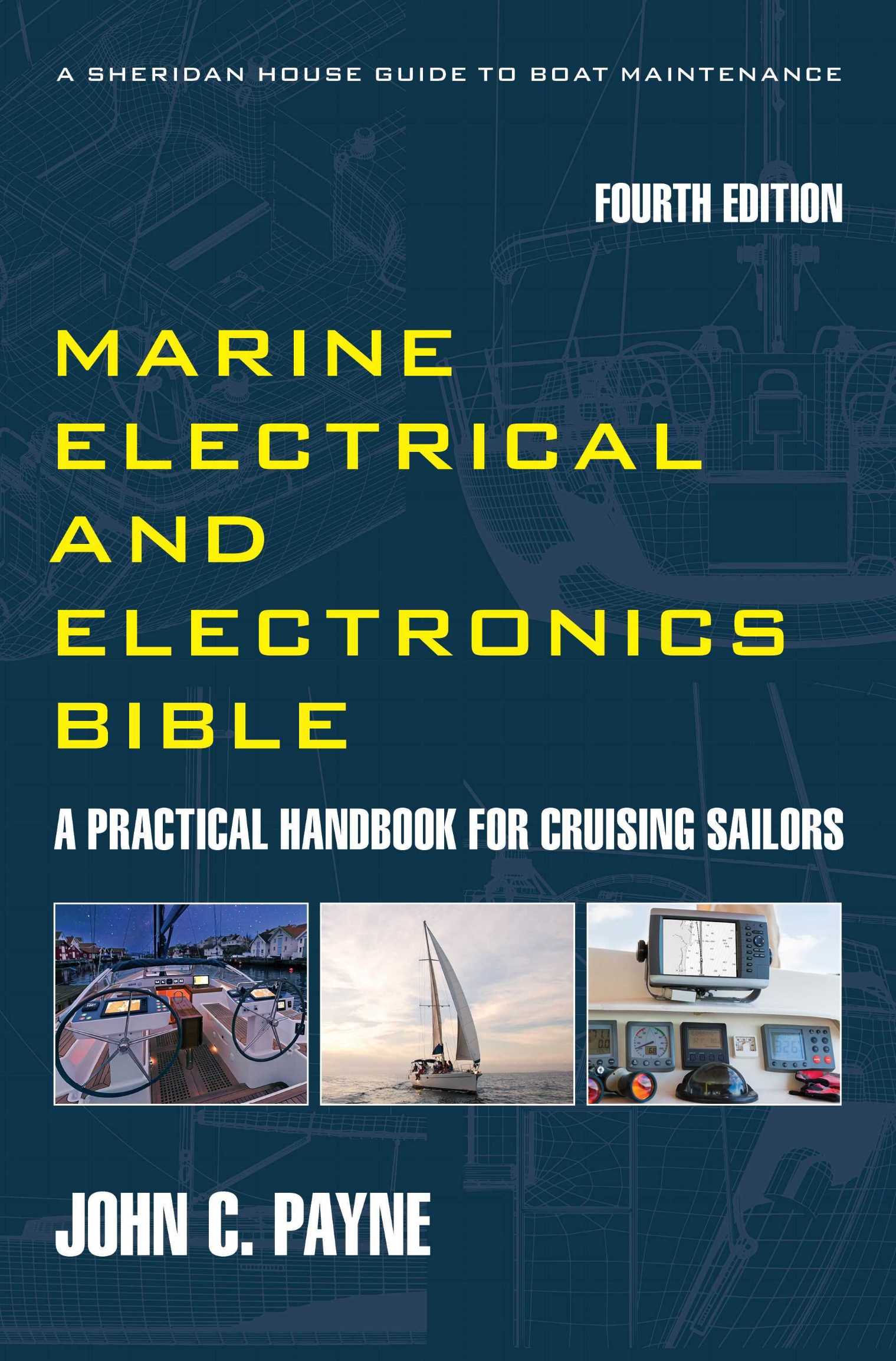
If you are headed somewhere remote consider the need to expand your knowledge base or have an information resource on board. Why not get a copy of my book The Marine and Electrical and Electronics Bible 4th Edition. By and for yachties, with everything from batteries and charging, solar and wind, diesel engines and marine electronics and so much more. Your complete systems guide. 650 pages of practical advice. In Australia and New Zealand order a copy through Boat Books. UK and European boats can buy the UK Edition Here. US and Canadian boats can get the US Edition Order Here. Marine systems are my profession so let me help you. By a liveaboard boat owner for other boat owners

Sailing to Osaka Seto Inland Sea - Service
Osaka is well equipped for yacht maintenance and repairs. Services include:
- Haul‑out Facilities: Several marinas and boatyards offer lift services for keelboats and multihulls.
- Engine and Mechanical Repairs: Marine diesel technicians are available for routine maintenance and troubleshooting.
- Electrical and Electronics Services: Specialists can assist with navigation systems, wiring, and battery installations.
- Fiberglass and Hull Work: Skilled technicians are available for structural repairs and gelcoat work.
- Chandlery Supplies: Marine hardware stores stock common parts, lines, fenders, and safety equipment.
Osaka’s proximity to Kobe expands service options further, making the region a practical location for scheduled maintenance or repairs discovered during transit.
Sailing to Osaka Seto Inland Sea -
Local Culture
Osaka follows the same cultural expectations found throughout Japan Visitors who follow these norms are generally welcomed and treated with courtesy.
- Keep noise to a minimum in marinas and residential areas.
- Maintain tidy docks and avoid blocking walkways.
- Cash is widely used in small shops and markets.
- Follow local waste‑sorting rules.
- Use polite greetings and show patience during interactions.
- Seek permission before photographing people or private property.
Sailing to Osaka Seto Inland Sea -
Local Cuisine
Osaka is known for several regional food traditions:
- Takoyaki: Octopus dumplings, widely available throughout the city.
- Okonomiyaki: Savory pancakes cooked on a griddle.
- Kitsune Udon: A regional noodle dish with sweet fried tofu.
- Fresh Seafood: High‑quality fish and shellfish are widely available.
- Street Food Culture: Numerous small vendors offering affordable local dishes.
These foods are widely available near the waterfront and in central Osaka.
Sailing to Osaka Seto Inland Sea –
Summary
Osaka is a practical and well‑equipped port for yachts sailing through the Seto Inland Sea. Its sheltered location, reliable marina infrastructure, and straightforward navigation make it a suitable waypoint for extended coastal cruising. The city offers excellent provisioning, dependable fuel and water access, and comprehensive repair services. Cultural expectations are clear and easy to follow, and local cuisine provides a range of regional specialties. For yachts preparing to transit the Inland Sea or continue along Japan’s coast, Osaka provides a stable and efficient base for operations. Sailing to Osaka Seto Inland Sea has much to offer.