Sailing to Miyajima Itsukushima: A
Practical Cruising Guide
Sailing to Miyajima Itsukushima. Miyajima also known as Itsukushima sits in Hiroshima Bay on the western side of the Seto Inland Sea and forms one of the most sheltered island environments in the region. The coastline is shaped by steep hills, narrow inlets, and well protected bays with predictable approaches and consistent depths. The surrounding waters are enclosed by the mainland and neighbouring islands which reduce sea state and create stable conditions for harbour entry. This Miyajima Itsukushima sailing guide for yachts sets out the operational details for approaches, berthing, fuel, provisioning, and local procedures for skippers entering the region.
Miyajima is not a port of entry and yachts arriving from overseas complete formalities at Hiroshima before entering the bay. Once cleared, movement throughout Hiroshima Bay is straightforward with well marked channels and steady vessel behaviour. The provisioning footprint is centred on the mainland at Miyajimaguchi with supermarkets, farmers markets, and fish markets located close to the ferry terminal. Fuel and water are available at mainland harbours and depths remain stable throughout the bay and its approaches.
Sailing to Miyajima Itsukushima -Navigation
Approaches to Miyajima pass through Hiroshima Bay with offshore depths of 20 to 40 metres. The bay shoals gradually toward the island. The main approach channel to Miyajimaguchi carries 10 to 14 metres and is fully marked. Approaches to the waters off Miyajima carry 8 to 12 metres.
Traffic consists of ferries, fishing vessels, and coastal cargo boats. They follow predictable tracks. AIS improves situational awareness in the bay.
From the north, yachts arriving from Hiroshima follow wide, deep channels with minimal swell. From the east, yachts approaching from Kure or Etajima transit narrow but sheltered passages. From the west, yachts coming from Matsuyama or the Iyo‑Nada region enter through broader approaches before turning into the bay.
Sailing to Miyajima Itsukushima - Primary Harbours
Miyajimaguchi Harbour. Main mainland harbour serving Miyajima. Approach depths are 10 to 14 metres. Inner basin carries 4 to 6 metres. Public berths available for visiting yachts.
Hiroshima Ujina Harbour. Located north of Miyajima. Approach depths are 10 to 15 metres. Inner harbour carries 4 to 6 metres. Fuel available at commercial wharf.
Eba and Kannon Harbours. Small harbours within Hiroshima Bay. Approach depths are 8 to 12 metres. Inner basins carry 3 to 5 metres.
Miyajima Foreshore. The island itself has no yacht harbour. Yachts berth at mainland facilities and access the island by tender or ferry.
Anchorage Areas
- Northeastern Anchorage: Offers good holding in mud and sand, with protection from prevailing winds.
- Eastern Bays: Sheltered in calm weather, suitable for short daytime stops.
These anchorages are scenic and quiet outside peak tourist hours, but boats should remain aware of ferry wakes and maintain predictable movements.
Harbor Access
Miyajima’s main ferry terminal area is busy and not suitable for yacht berthing. Small craft may occasionally find space in minor harbor areas with local permission, but this is not guaranteed. For secure berthing, yachts typically use marinas in Hiroshima, Kure and Etajima. These ports are within a short sail and offer reliable facilities.
Sailing to Miyajima Itsukushima
- Entry Protocols
Miyajima is not a designated international entry port. Yachts arriving from overseas must complete immigration, customs, and quarantine procedures at a recognized port of entry before visiting the island.
For yachts already cruising within Japan, Miyajima functions as a domestic waypoint. Foreign‑flagged vessels using the Naikosen system can move between ports without repeating full customs clearance. Harbor offices in nearby Hiroshima or Kure can assist with local procedures if needed.
Sailing to Miyajima Itsukushima -Local Weather
Miyajima benefits from the sheltered conditions of Hiroshima Bay. Seasonal patterns are predictable:
- Spring: Mild temperatures, light to moderate winds, and occasional fog.
- Summer: Warm, humid, and generally light winds. Afternoon sea breezes are common.
- Autumn: Clear skies, moderate winds, and comfortable temperatures.
- Winter: Northerly winds can be strong during frontal passages.
Visibility can be reduced by haze in summer. Radar is useful when navigating near ferry routes.
Sailing to Miyajima Itsukushima - Provisioning
Supermarkets: (Miyajima & Nearby). Miyajima Island. Miyajima has no full‑size supermarkets. Only small convenience‑style shops selling snacks, drinks, packaged foods, and basic supplies. Not suitable for full provisioning. Youme Mart Hatsukaichi is the closest full supermarket on the mainland. Strong produce, meat, seafood, bakery items, dry goods, and household supplies. Best option for boats provisioning near Miyajima. Aeon Hatsukaichi is a large, full‑service supermarket with excellent produce, seafood, bakery items, frozen foods, alcohol, and household goods. Ideal for full provisioning before returning to Miyajima. Fresta Hatsukaichi is a mid‑size supermarket with good fresh produce, meat, seafood, and prepared foods. Convenient for topping up fresh items. Maruwa Miyajimaguchi. Full service supermarket with vegetables, fruit, meat, seafood, dairy, frozen food,
Traditional Markets: Miyajima Omotesandō Shopping Street is very tourist‑oriented street with small food vendors, local snacks, pickles, sweets, and specialty items. Limited fresh produce but useful for local flavors and small‑quantity items. Miyajima Machiya Street is a traditional street with small specialty shops selling pickles, tofu, sweets, and regional foods. Not a full provisioning source but good for local ingredients. Hatsukaichi Local Shopping Streets (Mainland) have small greengrocers, fruit vendors, and daily‑use food shops. Useful for topping up fresh produce before returning to the island.
Farmers Markets: JA Farmers Market Hatsukaichi is the closest farmers market to Miyajima. Offers Hiroshima‑grown vegetables, citrus, herbs, mushrooms, and seasonal specialties. Excellent quality and good pricing. Local Weekend Markets (Hatsukaichi & Hiroshima) have occasional pop‑up markets offering fresh produce, baked goods, and regional specialties. Useful when timing aligns.
Fish Markets: Miyajima Island. No dedicated fish market. Some shops sell local oysters and seafood products, but not raw fish in retail quantities. Hatsukaichi Fish Shops are small fishmongers near the mainland ferry terminal selling fresh fish, shellfish, and seasonal local catch. Best nearby option for everyday seafood. Hiroshima City Central Fish Market (Retail Area) has a larger seafood market accessible by road or train. High‑quality fish, shellfish, and seasonal specialties. Ideal for premium seafood provisioning.
Sailing to Miyajima Itsukushima - Diesel
Fuel Supply.
Fuel is not available on Miyajima. Yachts should plan to refuel at Hiroshima Kannon Marina, Kure Marina. Etajima harbor has limited availability. Jerry‑can transport is possible from mainland service stations, but marina refueling is more reliable.
Sailing to Miyajima Itsukushima - Fresh
Water Supply
Potable water is not reliably available for yachts on Miyajima. Boats should top up tanks in Hiroshima, Kure, or Etajima before visiting the island.
Sailing to Miyajima Itsukushima - Repair
and Service Availability
Miyajima offers no yacht repair or service facilities. Nearby options include Kure: Strong mechanical and electrical services. Hiroshima: Good chandlery access and repair options. Imabari: Major shipbuilding center with extensive facilities (further away).
Mechanical and Electrical Repairs
Resource
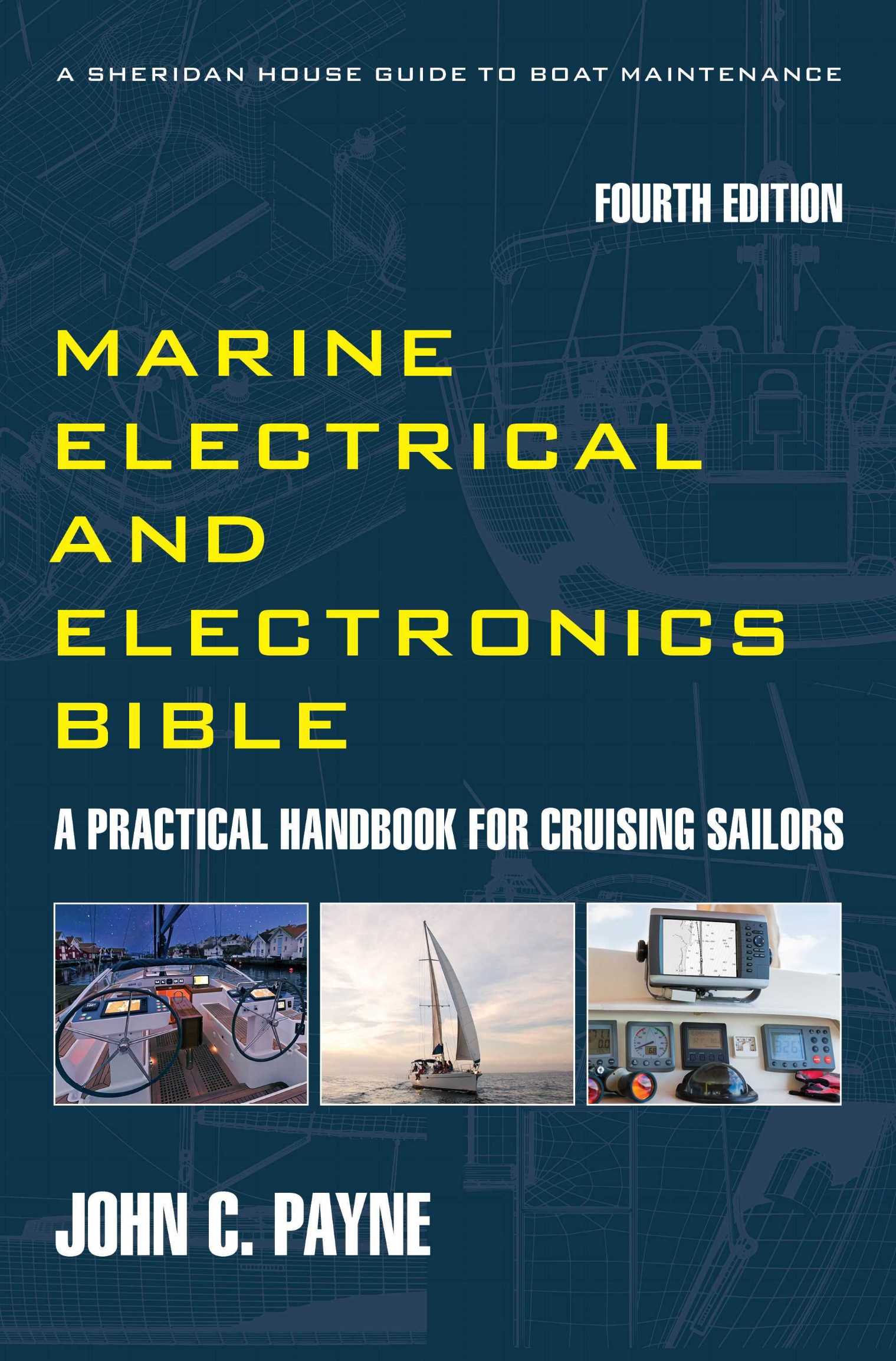
If you are headed somewhere remote consider the need to expand your knowledge base or have an information resource on board. Why not get a copy of my book The Marine and Electrical and Electronics Bible 4th Edition. By and for yachties, with everything from batteries and charging, solar and wind, diesel engines and marine electronics and so much more. Your complete systems guide. 650 pages of practical advice. In Australia and New Zealand order a copy through Boat Books. UK and European boats can buy the UK Edition Here. US and Canadian boats can get the US Edition Order Here. Marine systems are my profession so let me help you. By a liveaboard boat owner for other boat owners

Sailing to Miyajima Itsukushima - Cultural
Miyajima is a culturally significant island, and boats should follow local expectations:
- Maintain respectful distances from the torii gate and shrine areas
- Avoid obstructing ferry routes
- Keep noise low, especially near residential zones
- Follow strict waste‑sorting rules
- Use polite greetings and show patience during interactions
- Seek permission before photographing people or private property
Sailing to Miyajima Itsukushima - Local
Cuisine
These foods are widely available near the waterfront and in the island’s central village. Miyajima is known for several regional food traditions:
- Momiji Manju: Maple‑leaf‑shaped sweets
- Fresh Oysters: A major specialty of Hiroshima Bay
- Anago (Conger Eel): Served grilled or in rice bowls
- Seto Inland Sea Fish Varieties: Including sea bream and sardines
Sailing to Miyajima Itsukushima
- Summary
Miyajima is a memorable and practical waypoint for yachts sailing through Hiroshima Bay and the western Seto Inland Sea. While berthing and provisioning options are limited, the island’s sheltered waters, straightforward navigation, and striking scenery make it a rewarding stop during coastal passages. Nearby ports provide fuel, water, and repair facilities, allowing boats to enjoy Miyajima as part of a well‑planned cruising itinerary. Sailing to Miyajima Itsukushima is an interesting diversion.