Sailing Western Japan Chugoku Shikoku Cruising Guide
Sailing Western Japan Chugoku Shikoku. Stretching across the Chugoku region of Honshu and the northern and southern coasts of Shikoku is one of the most varied and rewarding cruising grounds in the country. It is a region where sheltered inland‑sea passages meet open‑coast Pacific routes, where modern maritime cities sit alongside quiet fishing villages, and where centuries of maritime culture remain visible in every harbor wall, shrine, and shipyard. For yachts moving through the Seto Inland Sea or preparing to explore Kyushu, the Kii Peninsula, or the Pacific coast, Western Japan offers a dense, interconnected network of ports that support safe, efficient, and enjoyable coastal cruising.
The geography of the region naturally divides into several cruising zones, each with its own character. Hiroshima Bay forms the northern heart of the area, a sheltered basin dotted with islands and linked by narrow channels. East of Hiroshima, the Geiyo Islands continue toward Onomichi, creating a chain of passages beneath the Shimanami Kaido bridges. To the west, the Yamaguchi coastline stretches toward Shimonoseki, offering practical ports and strong provisioning. Across the water, Shikoku’s northern coast provides a mix of marinas, fishing ports, and island anchorages, while its southern coastline opens onto the Pacific, offering more exposed but spectacular cruising.
Sailing Western Japan Chugoku Shikoku
What makes Western Japan particularly appealing for yacht boats is the combination of predictable navigation, short distances between ports, and the availability of essential services. Charts are accurate, navigation marks are clear, and tidal flow, while important in certain channels is consistent and well‑documented. Provisioning, fuel, and repair facilities vary by port, but the major hubs provide everything a cruising yacht requires. Smaller islands and fishing towns offer quiet anchorages, local produce, and a slower pace that contrasts beautifully with the busier city harbors.
Hiroshima Bay and Islands
Hiroshima Bay is often the first introduction sailors have to Western Japan, and it sets the tone for the region: sheltered, scenic, and full of maritime activity. Hiroshima itself is a major port with a well‑equipped marina, strong provisioning, and straightforward approaches. It serves as a natural base for exploring the bay, with ferries, fishing vessels, and commercial traffic creating a dynamic but manageable navigation environment.
South of the city, Kure offers a different flavor which is an historic naval port with strong repair facilities and a working‑harbor atmosphere. The marinas and waterfront areas are practical and well‑organized, making it a reliable stop for maintenance, resupply, or crew changes.
Between Hiroshima and Kure lies Etajima, an island known for its naval academy, quiet villages, and sheltered anchorages. Etajima’s small harbors are ideal for short stays, and its coastline provides calm waters even when conditions outside the bay are unsettled.
Further west, Miyajima (Itsukushima) rises dramatically from the water, its forested slopes and iconic torii gate creating one of Japan’s most recognizable landscapes. While berthing options are limited, the island is a memorable waypoint for yachts transiting the bay, and its approaches are straightforward in settled conditions.
The smaller islands, Ninoshima, Kurahashi‑jima, and the Kamagari group offer a mix of fishing ports, quiet coves, and narrow channels. These islands reward slow cruising, with short hops between harbors and plenty of opportunities to anchor, explore, and enjoy the sheltered waters.
Eastern Geiyo Islands & the
Onomichi Area
Sailing east from Hiroshima Bay, the coastline narrows into the island‑studded passages of the Geiyo Archipelago. This region is already familiar from your Seto Naikai work, but from the perspective of Western Japan it forms a natural continuation of the cruising route.
Onomichi serves as the eastern gateway, a lively waterfront town with marina access, provisioning, and easy approaches. From here, yachts can weave through the channels between Mukaishima, Innoshima, Ikuchi‑jima, and Omishima and each island offering its own mix of fishing ports, small harbors, and sheltered anchorages. The Shimanami Kaido bridges span these channels, creating a dramatic backdrop and a series of predictable tidal gates that reward good planning.
Ikuchi‑jima and Omishima are particularly useful for cruising yachts, offering calm harbors, simple approaches, and access to local shops and produce. Hakata‑jima and Oshima, further west, provide quieter anchorages and a more rural feel, making them ideal for boats seeking a slower pace.
The Yamaguchi Coast
West of Hiroshima Bay, the coastline opens into a series of practical, well‑connected ports that support yachts moving toward Kyushu or returning eastward into the Seto Inland Sea. Yanai and Hikari offer sheltered harbors and straightforward approaches, with local shops and markets providing easy provisioning.
Tokuyama stands out as a major operational hub, with fuel, repair facilities, and a working‑harbor environment that makes it a dependable stop for maintenance or resupply. Shunan, Hofu, and Ube continue this pattern, industrial in places, but practical and yacht‑friendly.
At the western end of the region lies Shimonoseki, a strategic transit point where the Seto Inland Sea meets the Sea of Japan. The strait requires tidal planning, but the port itself is well‑equipped and serves as a gateway for yachts heading north or west.
Shikoku’s North & South Coasts
Across the water, Shikoku offers two very different cruising experiences. The northern coast including Imabari, Matsuyama, Hojo, Niihama, and Saijo provides a mix of marinas, fishing ports, and island anchorages. Imabari and Matsuyama are the major hubs, offering strong provisioning, fuel access, and moderate repair facilities. Smaller towns like Hojo and Yawatahama provide quieter alternatives with simple approaches and friendly local communities.
Shikoku’s southern coast is more exposed, facing the Pacific and offering a wilder, more dramatic cruising environment. Tokushima and Naruto require careful tidal planning, especially near the famous whirlpools. Further south, Kochi, Susaki, Tosa‑Shimizu, and Muroto offer deep‑water harbors, fishing‑port access, and a coastline shaped by ocean swells and rugged headlands. These ports reward experienced boats and provide a striking contrast to the sheltered waters of the inland sea.
Chūgoku & Shikoku (Western Japan)
Navigation
Navigating the Chūgoku–Shikoku region presents several challenges for cruising yachts. Strong tidal streams run through the Seto Inland Sea and its narrow straits, where currents can exceed safe speeds for slower vessels and create turbulent overfalls. Traffic density is high, with ferries, fishing boats, and commercial ships operating at close quarters, often in restricted channels. Numerous bridges, overhead cables, and underwater hazards require careful chart checks and timing. Visibility can drop quickly in fog or rain, and many harbours have tight entrances designed for local fishing fleets. With good planning and tide awareness, the region is rewarding but demands attentive seamanship.
Chūgoku &
Shikoku (Western Japan) Provisioning
Provisioning along the Chūgoku–Shikoku coast is straightforward for cruising yachts, with most towns offering easy access to supermarkets, convenience stores, and fresh‑produce markets within walking distance of the harbor. The region is heavily shaped by fishing culture, so seafood is abundant, affordable, and high quality, and even small ports usually have at least one well‑stocked grocery store nearby.
In the larger centers such as Hiroshima, Kure, Takamatsu, Imabari, and Kochi, you’ll find full‑size supermarkets, department‑store food halls, and specialist shops selling everything from fresh produce to bakery items, deli goods, and imported staples. These cities are the best places to restock fully, especially for longer passages or boats needing specific ingredients. Prices are reasonable, and selection is excellent.
Smaller fishing ports and island communities offer a simpler but reliable provisioning experience. Most have a local supermarket or a cluster of small family‑run shops supplying fresh vegetables, rice, noodles, snacks, and basic household items. Convenience stores (7‑Eleven, Lawson, FamilyMart) are everywhere and provide dependable access to ready‑to‑eat meals, drinks, bread, eggs, and emergency staples. Even in remote areas, you’re rarely more than a short walk from a shop that can cover the essentials.
Fresh fish is a highlight throughout both regions. Many ports have small fish markets or direct‑from‑boat sales in the early morning, giving boats access to exceptionally fresh seafood at low cost. Seasonal produce is also excellent, with citrus from Shikoku, local greens, mushrooms, and regional specialties appearing in shops throughout the year.
For yachts with dietary preferences or international provisioning needs, the larger cities are the best bet. Hiroshima and Takamatsu in particular have international sections in major supermarkets and a few specialty import stores. Overall, provisioning in Chūgoku and Shikoku is easy, predictable, and well suited to cruising yachts. Larger ports offer full restocking opportunities, while smaller harbors reliably provide the basics. With a little planning around shop hours and an eye out for local fish markets, boats can stay well supplied throughout the region.
Chūgoku & Shikoku (Western Japan)
- Cuisine
Western Japan’s Chūgoku–Shikoku region offers some of the country’s most distinctive coastal cuisine. Fresh seafood dominates, from sashimi‑grade fish landed daily in small ports to grilled sanma, mackerel, and local shellfish. Hiroshima is known for its layered okonomiyaki, while Shikoku contributes udon, citrus fruits, and light, clean flavors shaped by island life. Markets and small eateries serve simple, high‑quality dishes built around regional produce, making the area a rewarding food stop for cruising boats.
Sailing Western Japan Chugoku Shikoku - Water and Diesel Fuel
Cruising yachts moving through western Japan, especially the Chūgoku and Shikoku coasts will find that potable water and diesel fuel are generally easy to access, but rarely through dedicated yacht‑specific facilities. Instead, the region relies on a mix of fishing‑port infrastructure, municipal services, and nearby fuel stations that collectively make provisioning straightforward for visiting boats.
Along the Chūgoku coast, most fishing harbors and small commercial ports have municipal‑grade potable water available on the quays or through the port office. It’s not always signposted, so the usual routine is to ask the harbormaster or the local cooperative staff, who will point you to a tap or arrange access. Water pressure is good, hoses are often available, and the quality is consistently safe. In more rural harbors, you may need to run your own hose or fill jerry cans, but the supply itself is reliable.
Shikoku follows the same pattern. Ports in Kōchi, Tokushima, Takamatsu, and Imabari all have easy access to clean drinking water, though again it’s typically tied to fishing‑fleet infrastructure rather than a marina. Smaller island ports may require a short walk to a public tap or community facility, but potable water is rarely difficult to obtain.
Diesel fuel is equally accessible, though not usually via a fuel dock. Most towns have roadside fuel stations within a short walk or taxi ride of the harbor, and jerry‑can runs are the standard method for yachts. Staff are accustomed to serving fishing boats, so filling portable containers is normal practice. In larger ports such as Hiroshima, Kure, Takamatsu, and Shimonoseki have commercial fuel suppliers can sometimes arrange dockside delivery, but this depends on vessel size and local rules.
Mechanical and Electrical Repairs
Resource
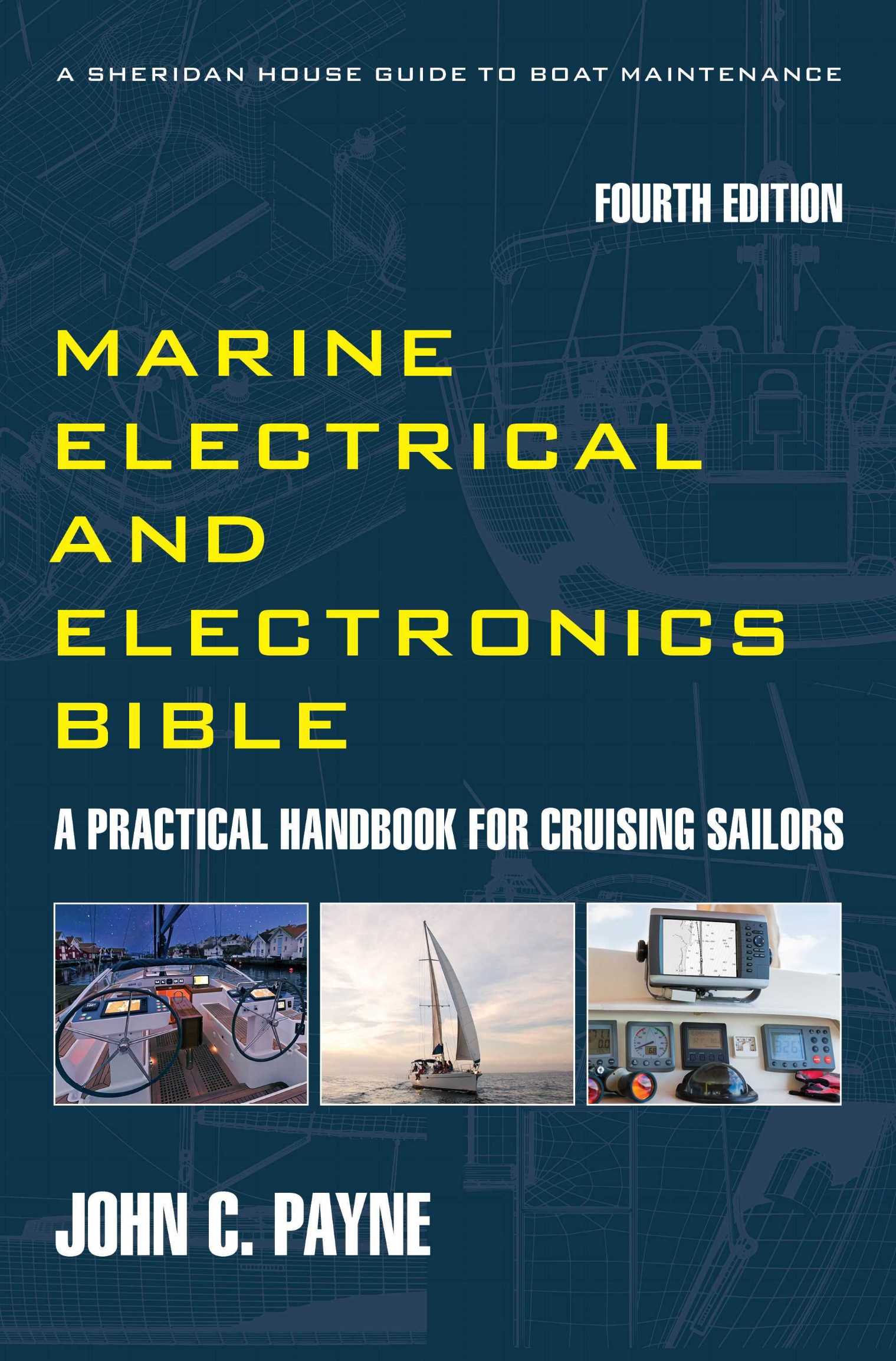
If you are headed somewhere remote consider the need to expand your knowledge base or have an information resource on board. Why not get a copy of my book The Marine and Electrical and Electronics Bible 4th Edition. By and for yachties, with everything from batteries and charging, solar and wind, diesel engines and marine electronics and so much more. Your complete systems guide. 650 pages of practical advice. In Australia and New Zealand order a copy through Boat Books. UK and European boats can buy the UK Edition Here. US and Canadian boats can get the US Edition Order Here. Marine systems are my profession so let me help you. By a liveaboard boat owner for other boat owners

Mechanical and Electrical Repairs
Western Japan’s Chūgoku and Shikoku regions give cruising yachts a dependable belt of mechanical and electrical support, shaped by a long maritime history and a dense cluster of shipyards and specialist workshops. For visiting sailors, the practical takeaway is simple: if something breaks between Kobe and Kyushu, this region is one of the best places in Japan to get it fixed.
Along the Chūgoku coast, Hiroshima, Kure, and Yamaguchi you’ll find experienced marine‑electrical firms that routinely service commercial fleets and government vessels. These workshops handle everything from alternators and starter‑motor rebuilds to switchboards, control panels, and general electrical troubleshooting. They’re used to working dockside and can often send technicians directly to the boat. Kure and Shimonoseki, in particular, have long‑established companies that repair motors, generators, and navigation‑electronics components, making them reliable stops for yachts needing electrical diagnostics or parts replacement.
Mechanical support is equally strong. Both regions host specialist engine‑repair shops capable of full overhauls, injector servicing, cooling‑system repairs, and machining work. In Shikoku especially around Kōchi and Takamatsu have small and mid‑sized workshops regularly service fishing fleets, which means they’re comfortable working on auxiliary diesels found in cruising yachts. Many offer rapid‑response repairs and can handle everything from minor leaks to full strip‑downs.
For larger issues, both Chūgoku and Shikoku have multiple shipyards with dry‑dock capacity. While these facilities primarily handle commercial vessels, they can accommodate yachts for hull work, shaft repairs, propeller issues, and major mechanical jobs when needed. Takamatsu, Kure, and Hiroshima are the most practical hubs for haul‑outs.
For cruising sailors, the overall picture is reassuring: Western Japan offers excellent coverage for both electrical and mechanical repairs, with skilled technicians, flexible small workshops, and major shipyards all within reach. Whether you need a quick alternator fix, a diesel overhaul, or a safe place to haul out, Chūgoku and Shikoku provide some of the most capable marine‑service options in the country.
Sailing Western Japan Chugoku Shikoku
Summary
Sailing Western Japan Chugoku Shikoku is a region defined by variety, sheltered bays, narrow channels, open‑coast passages, and a dense network of ports that support safe and efficient cruising. From the maritime cities of Hiroshima and Kure to the quiet anchorages of the Geiyo Islands, the practical harbors of Yamaguchi, and the contrasting coasts of Shikoku, the region offers a rich and rewarding cruising experience. This hub page links to detailed guides for each destination, helping boats plan passages, manage provisioning, and explore one of Japan’s most diverse maritime regions. Sailing Western Japan Chugoku Shikoku is exciting and rewarding. Sailing Western Japan Chugoku Shikoku is another great cruising adventure.