Rosslyn Bay Sailing Guide
Rosslyn Bay Sailing Guide. Rosslyn Bay is the primary deep‑water harbour on the Capricorn Coast and serves as the maritime gateway to Yeppoon, Great Keppel Island and the Keppel Group. The harbour is fully protected by breakwaters and offers reliable access in almost all conditions, making it a dependable stop for vessels moving along the Queensland coast. The approach is straightforward, the entrance is deep and the marina provides secure berthing, fuel and full services. For skippers transiting between Gladstone, the Keppels and the Whitsundays, Rosslyn Bay is the natural landfall and a practical operational base.
Despite its simplicity, Rosslyn Bay still requires disciplined navigation. The coastline outside the harbour is exposed to swell, and the sea state can become uncomfortable in strong south‑easterlies. The entrance is narrow enough that the skipper must hold the leads precisely, especially when swell wraps around the headland. Inside the harbour, depths are consistent, but the marina fairways can be tight in strong crosswinds. Rosslyn Bay is not a difficult harbour, but it rewards a deliberate approach and clear situational awareness.
Rosslyn Bay Sailing Guide - Location
Rosslyn Bay lies on the Capricorn Coast, south‑east of Yeppoon and directly opposite Great Keppel Island. The harbour sits beneath Bluff Point, a prominent headland that forms a clear visual reference from seaward. The coastline to the north and south is low and sandy, making the harbour’s breakwaters and the high ground of Bluff Point the dominant features on approach. Rosslyn Bay is positioned roughly halfway between Gladstone and the Percy Isles, making it a strategic stop for vessels moving along the central Queensland coast. Approximate position: 23°09.0’S 150°47.0’E
Rosslyn Bay Sailing Guide - Approach
The approach to Rosslyn Bay is clear and uncomplicated, with 10–20 m of water outside the harbour and a well‑defined entrance between the breakwaters. The headland provides a strong visual reference, and the harbour entrance is easy to identify in good visibility. Depths remain consistent at 8–12 m in the approach channel, and the skipper can shape a direct line toward the leads. In strong south‑easterlies, swell can wrap around Bluff Point and create a lumpy sea state outside the entrance, but the channel itself remains navigable. The skipper must hold the leads accurately, as the breakwaters create a narrow entrance and the swell can push the vessel sideways if not corrected.
Rosslyn Bay Sailing Guide - Entrance Channel and Harbour
The entrance channel is deep and well‑maintained, with depths of 7–10 m between the breakwaters. The harbour is protected from swell, and conditions inside are calm even when the sea outside is uncomfortable. The tidal stream is gentle, rarely exceeding 1 knot, but the combination of wind and the narrow entrance can create cross‑set that requires firm helm. Once inside, the harbour opens into a large basin with consistent depths of 4–6 m, and the marina fairways are clearly marked. Strong south‑easterlies can funnel across the fairways, making manoeuvring more challenging for vessels with high windage.
Rosslyn Bay Sailing Guide - Inside Harbour
Inside the harbour, depths are reliable and the water is calm. The marina basins provide 4–6 m of depth at LAT, and the holding ground outside the marina is limited, making berthing the preferred option. The harbour is busy during peak cruising season, and the skipper must maintain situational awareness when manoeuvring. The breakwaters provide full protection from swell, and the harbour remains comfortable in all wind directions. The surrounding hills can create gusts in strong south‑easterlies, but the marina layout allows for controlled manoeuvring with adequate space.
Rosslyn Bay Sailing Guide - Wind, Weather and Tide
Rosslyn Bay is exposed to south‑easterly trade winds, and the sea state outside the harbour can become steep and uncomfortable when the wind is fresh. Swell can wrap around Bluff Point and create a confused sea near the entrance, but the harbour itself remains calm. Northerlies tend to flatten the approach, while westerlies have little effect on the sea state. The tidal range is moderate, and the stream is gentle, with minimal impact on manoeuvring inside the harbour. The primary environmental factor is wind, not tide.
Rosslyn Bay Sailing Guide - Navigation Hazards
The main hazards at Rosslyn Bay are the swell outside the entrance, the cross‑set created by wind and sea state near the breakwaters and the tight marina fairways in strong winds. The coastline outside the harbour is open and exposed, and the skipper must be prepared for a lumpy approach in fresh south‑easterlies. The entrance is narrow enough that precise helm is required, and the breakwaters can create rebound waves in certain conditions. Inside the harbour, the primary consideration is windage when manoeuvring in the marina.
Rosslyn Bay Sailing Guide - Provisioning
Supermarkets: Woolworths Yeppoon, Coles Yeppoon and Drakes Yeppoon provide full supermarket provisioning, including fresh produce, dry goods, bakery items and general supplies. All three are located in Yeppoon township, a short drive from the harbour, and offer the most complete resupply options on the Capricorn Coast.
Markets: Fresh produce is available at the Yeppoon Community Markets at the showgrounds, offering fruit, vegetables and local goods. Additional seasonal produce and specialty items can be sourced from the Fig Tree Farmers Market in Yeppoon, giving skippers access to higher‑quality local produce than standard supermarket stock.
Fish Markets: Keppel Bay Fish Market, located near the harbour precinct, supplies fresh local seafood landed from the Capricorn Coast fleet. It is the primary source of fresh fish, prawns and seasonal catch for vessels provisioning at Rosslyn Bay.
Mechanical and Electrical Repairs
Resource
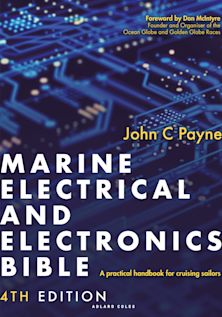
If you are headed somewhere remote consider the need to expand your knowledge base or have an information resource on board. Why not get a copy of my book The Marine and Electrical and Electronics Bible 4th Edition. By and for yachties, with everything from batteries and charging, solar and wind, diesel engines and marine electronics and so much more. Your complete systems guide. 650 pages of practical advice. In Australia and New Zealand order a copy through Boat Books. UK and European boats can buy the UK Edition Here. US and Canadian boats can get the US Edition Order Here. Marine systems are my profession so let me help you. By a liveaboard boat owner for other boat owners

Rosslyn Bay Sailing Guide -
Marina Services
Keppel Bay Marina provides diesel, petrol and potable water at the fuel berth, with shore power available at all berths. The marina is the main refuelling and water‑loading point for yachts operating between Gladstone, Rosslyn Bay and the Keppel Islands, and offers reliable access in all conditions.
Rosslyn Bay Sailing Guide -
Summary
Rosslyn Bay is a reliable, deep‑water harbour with a straightforward approach, a protected entrance and calm conditions inside the breakwaters. The approach can be lumpy in strong south‑easterlies, and the entrance requires accurate helm, but the harbour itself is forgiving and secure. For skippers moving along the central Queensland coast or staging for the Keppel Islands, Rosslyn Bay is a dependable and practical stop that offers safe entry in almost all conditions. Rosslyn Bay Sailing Guide for useful information.