Port Stephens Cruising
Guide for Yachts
The Port Stephens cruising guide for yachts begins at the entrance to one of the safest and most capable natural harbours on the New South Wales coast. Unlike the river ports to the north and south, Port Stephens has no bar, no breaking surf and no shallow crest to negotiate. The heads are wide, deep and navigable in almost all weather, giving skippers a reliable all‑conditions entry point during coastal passages. Swell can refract around the headlands in strong easterly conditions, but the channel itself remains deep, open and forgiving, making Port Stephens one of the most dependable ports on the entire east coast.
Once inside, the harbour opens into a vast, sheltered waterway with multiple marinas, mooring fields, deep anchorages, fuel docks, pump‑out facilities, haul‑out yards and full provisioning capability. Nelson Bay and the surrounding suburbs form the operational centre of the region, offering supermarkets, marine trades, chandlery, restaurants and every service a coastal cruising yacht requires. For vessels moving between Newcastle, Forster/Tuncurry and the Hawkesbury, Port Stephens is the natural stop for rest, repairs and reprovisioning, a true all‑weather refuge and a strategic hub for east‑coast passage planning.
Port Stephens Cruising
Guide for Yachts - Approach
Port Stephens is approached directly from seaward through a wide, deep entrance between Tomaree Head and Yacaaba Head. Depths of 20–40 m are typical in the approach, and the entrance remains navigable even in heavy swell. In strong easterly conditions, swell can refract around the headlands and create rebound, but the channel itself remains deep and open. Once inside, the harbour expands into a large basin with depths commonly between 10–20 m, and the navigation marks are clear, well‑lit and easy to follow. The channels leading to Nelson Bay, Soldiers Point, Salamander Bay and the Myall River are straightforward, with no overhead clearance issues for mast‑up vessels. Tidal flow is moderate near the entrance and settles quickly inside the harbour, where the entire waterway is managed as a low‑wash zone.
Port Stephens Cruising
Guide for Yachts - Marinas, fuel, water & sewage
Port Stephens is one of the best‑serviced yacht ports on the NSW coast, and the marina infrastructure reflects that. D’Albora Marina at Nelson Bay is the primary base for visiting yachts, offering secure berths, deep fairways, shore power, fresh water, a fuel dock supplying both diesel and petrol, and a sewage pump‑out facility. The marina sits directly beside restaurants, shops and chandlery, making it the most convenient location for provisioning and marine services.
Further inside the harbour, Soldiers Point Marina provides a quieter, premium alternative with deep, protected berths, shore power, water, a fuel dock and pump‑out facilities. Haul‑out and marine trades are located nearby, and many cruising yachts prefer Soldiers Point for longer stays due to its sheltered position and high‑quality facilities.
Anchoring is straightforward throughout Port Stephens, with designated areas near Nelson Bay, Salamander Bay, Fame Cove and North Arm Cove. Holding is generally excellent in sand and mud, and the harbour’s size and protection make it one of the most reliable all‑weather anchorages on the NSW coast.
Port Stephens Cruising
Guide for Yachts - Provisioning
Supermarkets: Woolworths Nelson Bay is the primary provisioning point for visiting yachts, offering a full supermarket range including fresh produce, dry stores, bakery items, frozen goods and alcohol, all within easy reach of the marina precinct. Coles Salamander Bay provides a second full‑range supermarket option with similar capability and is well suited to larger provisioning runs or crews seeking specific brands. Aldi Salamander Bay adds further depth for bulk dry stores and value‑focused provisioning, giving skippers three strong supermarket options within a short taxi or rideshare distance.
Markets: The Nelson Bay Markets supply seasonal fruit and vegetables, local meats, baked goods, honey and regional specialty items, making them ideal for topping up fresh stores before departure. Around the harbour, independent butchers, bakeries, fruit shops and organic food outlets provide additional access to high‑quality fresh produce, allowing skippers to source specific items without relying solely on the major supermarkets.
Seafood Markets: The Nelson Bay Fish Market sits close to the marina and offers fresh local fish, prawns and seasonal catch landed by the Port Stephens fleet. For crews wanting high‑quality seafood without leaving the harbour precinct, the fish market remains the most convenient and reliable option.
Mechanical and Electrical Repairs
Resource
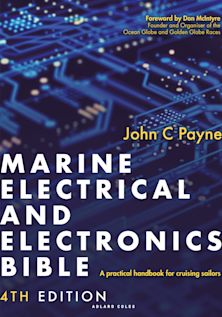
If you are headed somewhere remote consider the need to expand your knowledge base or have an information resource on board. Why not get a copy of my book The Marine and Electrical and Electronics Bible 4th Edition. By and for yachties, with everything from batteries and charging, solar and wind, diesel engines and marine electronics and so much more. Your complete systems guide. 650 pages of practical advice. In Australia and New Zealand order a copy through Boat Books. UK and European boats can buy the UK Edition Here. US and Canadian boats can get the US Edition Order Here. Marine systems are my profession so let me help you. By a liveaboard boat owner for other boat owners

Port Stephens Cruising
Guide for Yachts - Marine services
Port Stephens supports a full suite of marine trades. Mechanics, electricians, riggers, refrigeration technicians, sailmakers and shipwrights are all available within the region, and multiple slipways and travel‑lifts provide haul‑out and antifoul capability. Chandlery is available at Nelson Bay and through local marine suppliers, giving skippers access to parts, consumables and repair materials without needing to leave the harbour.
Port Stephens Cruising
Guide for Yachts - Operational Considerations
Port Stephens is best used as a full‑service operational hub. Skippers routinely enter the harbour to reprovision, refuel, take on water, complete repairs, conduct haul‑outs, manage crew changes or wait out weather in complete protection. The harbour’s size and depth make it unsuitable only for quick in‑and‑out stops, as the distances between anchorages and marinas require some travel time. The Myall River system extends northward from the harbour, but shoals and bridge restrictions limit deep exploration for mast‑up yachts. For most coastal cruisers, Port Stephens functions as a safe, reliable and fully equipped base between long offshore legs.
Port Stephens Cruising
Guide for Yachts - Weather
Port Stephens is protected from all swell directions once inside the heads. The entrance remains navigable in most conditions, although strong easterly swell can create rebound off the headlands. Inside the harbour, conditions are calm, with minimal fetch and excellent shelter. Afternoon sea breezes are common, and katabatic winds can drain from the surrounding hills at night, but neither phenomenon compromises anchoring security. The harbour is large enough to generate chop in strong winds, yet the anchorages remain dependable and comfortable.
Port Stephens Cruising
Guide for Yachts - Summary
The Port Stephens cruising guide for yachts ends with a clear operational message: this is one of the safest, deepest and most capable ports on the New South Wales coast. With no bar, deep‑water access, multiple marinas, full provisioning, fuel, water, pump‑out, haul‑out and marine trades, Port Stephens stands out as a natural hub for coastal cruising yachts. For vessels transiting between Newcastle, Forster/Tuncurry and the Hawkesbury, it is the ideal stop for rest, repairs and reprovisioning and one of the best all‑weather refuges on the entire east coast. Port Stephens Cruising Guide for Yachts information is here.