Port Douglas Sailing Guide
Port Douglas Sailing Guide. Port Douglas lies north of Cairns and is accessed via a short, shallow coastal inlet opening into Dickson Inlet. The port functions as a marina‑based destination rather than an anchorage harbour, with all visiting yachts required to berth inside the marina due to strong tidal flow, mangrove banks, and limited swinging room. The inlet is narrow, tidally influenced, and bordered by extensive mudflats, requiring accurate timing and conservative margins on entry.
The approach from offshore is straightforward in settled conditions, with a wide coastal shelf and predictable depth contours. The inlet itself is protected from swell but subject to strong tidal flow and cross‑set at the bends. Port Douglas is a provisioning and service node for vessels heading north toward the Daintree and Cooktown or south toward Cairns and the Whitsundays.
Port Douglas Sailing
Guide - Approaches
Approaches from the north and south remain clear with charted depths generally >10–12 m across the coastal shelf. The entrance to Dickson Inlet is easily identified but requires attention to tidal height due to shallow patches near the leads. The outer approach is influenced by a north–south coastal set of 0.5–1.5 kt, strongest on spring tides and during trade‑wind periods.
The leads provide a reliable transit into the inlet, though the channel narrows quickly and shoals toward the mangrove edges. Depths inside the inlet vary with tide, and vessels with deeper draft must plan entry around mid‑tide or above. Afternoon glare can obscure the water colour change at the edges of the channel.
Critical
Navigation: Dickson Inlet, Tides, and Traffic
Dickson Inlet is a narrow, dredged channel bordered by mangroves and shallow banks. Depths outside the channel are limited, and yachts must remain within the marked fairway at all times. Key operational considerations:
- Tidal flow is strong, especially during springs.
- Depth constraints require mid‑tide or above for many yachts, particularly near the entrance.
- Commercial reef‑tour vessels operate at speed and maintain tight schedules.
- Local fishing vessels manoeuvre frequently near the entrance and marina.
- Limited manoeuvring room requires predictable handling and careful speed control.
The inlet is functional but not forgiving. AIS improves situational awareness, especially during peak tour‑boat movements.
Port Douglas Sailing
Guide - Marina Access
All visiting yachts berth at Crystalbrook Superyacht Marina, located approximately 0.7 NM inside the inlet. The marina is accessed via a dredged channel with depths dependent on recent maintenance. Tidal flow through the inlet can reach 1–2 kt, requiring controlled approach and allowance for cross‑set on the bends.
The marina provides secure berthing, fuel, water, and shore power. Depths at berths vary, and deeper‑draft vessels should confirm tidal windows before entry. Manoeuvring space is adequate but can be affected by wind funneling along the inlet.
There is no anchoring permitted within Dickson Inlet due to limited space, tidal flow, and environmental protection zones.
Port Douglas Sailing
Guide - Anchorage
Port Douglas is effectively a non‑anchorage port. The inlet is narrow, tidally active, and bordered by mangroves with no safe swinging room. Offshore anchoring is not recommended due to exposure, swell, and poor holding on the coastal shelf. All visiting vessels use the marina.
Port Douglas Sailing
Guide - Staging Anchorages
Port Douglas has no practical anchorage inside Dickson Inlet due to depth constraints, mangrove edges, and commercial restrictions. Yachts approaching from the south or north typically stage at Low Isles which has reliable holding in sand, protected anchorages depending on wind direction, commonly used for timing arrivals. Snapper Island which is suitable in settled conditions, but somewhat exposed in northerlies. Double Island (near Palm Cove) has limited protection; suitable only in calm weather. These anchorages allow yachts to time their arrival for daylight or favourable tide height. Anchoring off Four Mile Beach is not recommended due to exposure and swell.
Port Douglas Sailing
Guide - Entry Formalities
Port Douglas is not an Australian port of entry. International yachts cannot clear customs or biosecurity here. All foreign‑flagged vessels must clear at Cairns, Bundaberg, Brisbane, Gladstone, Darwin, or another designated port before proceeding to Port Douglas.
Port Douglas Sailing
Guide - Local Weather
Port Douglas sits within the northern trade‑wind belt. From May to September, southeast trades of 15–25 kt dominate, producing a steady coastal set and short chop offshore. Summer months bring lighter winds, afternoon sea breezes, and higher thunderstorm frequency. Cyclone season runs from November to April, and conditions can deteriorate rapidly, with Dickson Inlet offering limited cyclone refuge due to space constraints and surge risk.
Port Douglas Sailing
Guide - Provisioning
Supermarkets. Port Douglas has two main supermarkets suitable for full yacht provisioning. Coles Port Douglas carries a full range of dry goods, fresh fruit and vegetables, dairy, bakery, frozen foods, and packaged meat, with reliable stock turnover driven by constant tourism and regular deliveries from Cairns and Mossman. IGA Port Douglas is smaller but useful for top‑ups and late or off‑peak shopping, with good coverage of core dry stores, fresh basics, and drinks. Local specialty produce commonly found in both includes tropical fruit and vegetables from the Mossman and Daintree hinterland (mango, banana, papaya, avocados, limes), plus locally roasted coffee (which is very acceptable) and small‑batch sauces and condiments.
Markets. The primary local market is the Port Douglas Sunday Market, held near the waterfront. It offers seasonal tropical fruit and vegetables, baked goods, preserves, really great honey, and a rotating mix of small local producers. It is best treated as a fresh‑produce and specialty‑item top‑up rather than a bulk‑provisioning source, as availability and volume vary week to week. Skippers planning longer legs north often combine a supermarket run with a Sunday Market visit to load higher‑quality fruit and vegetables from local growers.
Fish Markets. Local seafood is available from Port Douglas Seafood and from commercial trawlers that occasionally sell direct at or near the marina. Port Douglas Seafood typically stocks local line‑caught and trawl species such as coral trout, barramundi, mackerel, reef fish mixes, prawns, and mud crab, with supply closely tied to weather and recent fishing effort.
Port Douglas Sailing
Guide - Local Cuisine
Local cuisine in Port Douglas reflects the broader Far North Queensland coastal food culture, built around reef fish, tropical produce, and Asian‑influenced preparations. Signature seafood dishes include grilled coral trout, crispy‑skin barramundi, and salt‑and‑pepper reef fish, all commonly served with lime, ginger, or chilli dressings that draw on Southeast Asian flavours. Mud crab appears in both simple steamed preparations and chilli‑based sauces, while tiger prawns are typically served grilled or in light coconut‑based curries.
Tropical produce shapes many dishes, with mango salsa, lime‑based dressings, and papaya salads appearing across local menus. The region’s strong Asian influence is reflected in Thai‑style fish curries, Vietnamese‑style salads, and coconut‑lemongrass broths, all of which are standard in Port Douglas dining. Beef from the Atherton Tablelands also features in char‑grilled steak dishes, often paired with local avocado or herb‑driven dressings.
Port Douglas Sailing
Guide - Fuel Supplies
Crystalbrook Superyacht Marina provides diesel at the fuel berth with adequate depth at mid‑tide and above. Fuel turnover is steady due to commercial reef‑tour activity, ensuring clean supply. Petrol is available at nearby service stations, and crews often use jerry cans for tenders.
Port Douglas Sailing
Guide - Water Supplies
Potable water is available at marina berths. No water is available elsewhere in the inlet.
Mechanical and Electrical Repairs
Resource
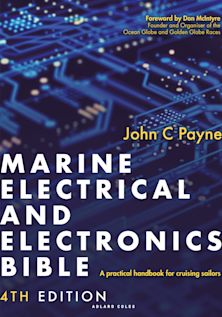
If you are headed somewhere remote consider the need to expand your knowledge base or have an information resource on board. Why not get a copy of my book The Marine and Electrical and Electronics Bible 4th Edition. By and for yachties, with everything from batteries and charging, solar and wind, diesel engines and marine electronics and so much more. Your complete systems guide. 650 pages of practical advice. In Australia and New Zealand order a copy through Boat Books. UK and European boats can buy the UK Edition Here. US and Canadian boats can get the US Edition Order Here. Marine systems are my profession so let me help you. By a liveaboard boat owner for other boat owners

Port Douglas Sailing
Guide - Marine Services
Port Douglas provides limited but functional marine support, including mechanical, electrical, and small‑scale chandlery services. Larger repairs, haul‑out, and specialist work are handled in Cairns, which offers full‑service marine facilities including major engine brands, electronics, rigging, and shipyard capacity.
Port Douglas Sailing
Guide - Local Customs
Port Douglas lies within Kuku Yalanji traditional lands. Respect applies to cultural sites, mangrove areas, and wildlife. Dickson Inlet is environmentally sensitive, and wash‑reduction, speed limits, and no‑anchoring rules are strictly enforced.
Port Douglas Sailing
Guide - Summary
Port Douglas provides a reliable, tide‑dependent harbour with secure marina berthing and adequate provisioning for coastal cruising. The approach through Dickson Inlet is predictable but requires attention to tide height, commercial traffic, and limited manoeuvring room. Crystalbrook Superyacht Marina is the operational centre for berthing, fuel, water, and basic repairs. For yachts staging toward Cooktown, Lizard Island, or the Torres Strait, Port Douglas is a dependable stop before entering more remote sections of Far North Queensland. Port Douglas Sailing Guide for all you need to know.