Pentecost Island Sailing Guide
Pentecost Island sailing guide. Pentecost Island rises abruptly from the water and feels far more dramatic than the low‑lying islands to the west. Its steep flanks, narrow shelves, and sharp underwater contours give it a deep‑water, exposed character that stands out immediately as you approach. The island’s height accelerates the breeze in fresh trades, and the sea state often feels livelier than the surrounding Whitsundays despite the short fetch. This is not a broad‑bay anchorage island; it is a steep‑sided waypoint with pockets of shelter that work well when the weather aligns.
The western side offers the only practical anchorage, a narrow strip of sand tucked beneath the island’s high slopes and sheltered from the prevailing trades. The eastern face is steep, reef‑edged, and open to the breeze, with no workable overnight options. Pentecost is best treated as a scenic, short‑stay stop — a place to pause on passage, enjoy the dramatic backdrop, or anchor briefly in moderate conditions. Its simplicity is part of its appeal: one anchorage, one approach, and a distinctive, deep‑water feel that contrasts sharply with the more forgiving islands nearby.
Pentecost Island Sailing
Guide - Approaches
Approaches to Pentecost Island are straightforward in settled conditions. From the west, depths ease from 20–30 m into 10–16 m as you close the island, then flatten briefly into 5–8 m over sand inside the anchoring zone. The seabed is clean, with coral confined to the points and easy to read in good light. Approaches from the east are more exposed, with the fringing reef rising abruptly into 2–4 m and the depth transition too sharp for comfortable anchoring. The northern and southern ends of the island have narrow reef shelves that require attention in low light.
Pentecost Island Sailing
Guide - Western Anchorage (Primary)
The western side provides the only workable anchorage, with a narrow sandy shelf in 5–8 m and reasonable shelter in SE–E winds. The holding is firm, but the swing room is limited, and the anchorage becomes gusty when the trades freshen. The fringing reef is confined to the points, rising into 2–4 m, and the reef edge is easy to read in good light. A light roll can develop in SW–W winds, and the anchorage is best used in moderate conditions.
Pentecost Island Sailing
Guide - Eastern Side Anchorage
The eastern face is steep, exposed, and shaped by fringing reef rising into 2–4 m. Depths outside the reef sit in the 15–25 m range, and the shelf is too narrow for anchoring. This side of the island is best treated as a transit zone.
Pentecost Island Sailing
Guide - Navigation
Navigation around Pentecost Island is simple but requires attention to the abrupt depth transitions. The western approach offers the only workable anchoring shelf, with depths easing from 20–30 m offshore into 5–8 m over sand. The fringing reef shelves are easy to read in good light, though low sun angles can obscure coral on the eastern side. The northern and southern points have narrow reef tongues that rise quickly and should be avoided in poor visibility. Tidal streams are moderate and rarely complicate anchoring.
Pentecost Island Sailing
Guide - Weather
Pentecost Island sits fully exposed to the SE trade‑wind regime, with typical seasonal winds in the 15–25 knot range. The western anchorage remains workable in moderate trades but becomes gusty and uncomfortable when the breeze freshens. The eastern side is exposed in all trade‑wind conditions and is not suitable for anchoring. Swell intrusion is minimal due to the short fetch, but the sea state can feel energetic because of the island’s steep underwater profile. The tidal range is moderate, and the anchorage retains workable depth across most of the cycle.
Pentecost Island Sailing
Guide - Fishing
Fishing around Pentecost Island has a distinctly deep‑water, structure‑driven personality shaped by the island’s steep drop‑offs and clean water. The eastern and southern faces fall away sharply and hold trout, cod, and tuskfish tight against the reef edge, with trevally and queenfish patrolling the deeper water when the tide begins to make. The western side is gentler, with a narrow apron of sand and broken reef that produces sweetlip and smaller trout in calm conditions. The tide wraps hard around the northern and southern points, creating short‑lived pressure lines that often fire on the first of the flood as bait is pushed along the reef edge. Water clarity is generally higher here than around Lindeman or Shaw, and pelagics are more common on calm days, especially along the exposed eastern face. Most skippers fish from the dinghy because the reef structure is too abrupt to anchor close, and the island’s exposure means conditions can shift quickly. Ciguatera risk is moderate across the southern Whitsundays, with only larger reef predators warranting caution.
Mechanical and Electrical Repairs
Resource
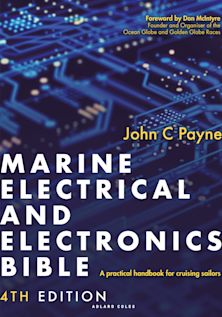
If you are headed somewhere remote consider the need to expand your knowledge base or have an information resource on board. Why not get a copy of my book The Marine and Electrical and Electronics Bible 4th Edition. By and for yachties, with everything from batteries and charging, solar and wind, diesel engines and marine electronics and so much more. Your complete systems guide. 650 pages of practical advice. In Australia and New Zealand order a copy through Boat Books. UK and European boats can buy the UK Edition Here. US and Canadian boats can get the US Edition Order Here. Marine systems are my profession so let me help you. By a liveaboard boat owner for other boat owners

Pentecost Island Sailing
Guide - Summary
Pentecost Island is a dramatic, steep‑sided waypoint with a single reliable anchorage on its western side and simple approaches in good light. Offshore depths fall quickly, the island accelerates the breeze, and the sea state feels more energetic than the surrounding Whitsundays. The eastern side is too exposed for anchoring, while the western shelf offers a workable stop in moderate conditions. Fishing is more pelagic‑influenced and structure‑driven than the nearby islands, shaped by steep drop‑offs, clean water, and tide‑driven bait movement. Pentecost is best enjoyed as a short‑stay, fair‑weather stop with a distinctive deep‑water feel. The Pentecost Island Sailing Guide is here to assist.