North Queensland Cruising Guide for Yachts
North Queensland cruising guide for yachts. North Queensland forms the operational bridge between the sheltered cruising grounds of the Whitsundays and the remote, weather‑dependent coastline of Far North Queensland. This region includes Townsville, Magnetic Island, the Palm Island Group, Orpheus Island, Hinchinbrook Channel, Cardwell, Mission Beach, Dunk Island and the approaches to Cairns. The coastline is shaped by the SE trade‑wind regime, localised sea breezes, tidal flow and the influence of the Great Barrier Reef, which lies close to the surface throughout the region. Skippers treat North Queensland as a mixed‑conditions cruising zone where reliable shelter exists but where exposed headlands, reef systems and tidal channels still require disciplined navigation and conservative planning. The region’s combination of mainland harbours, island anchorages and protected waterways allows yachts to move predictably in most weather patterns, provided movements are timed around tide, wind direction and daylight.
North Queensland is defined by its sequence of sheltered anchorages and all‑weather ports, which support year‑round yacht movements. Townsville and Cairns form the primary service centres, with full provisioning, fuel, water and repairs available before yachts move north or south. Magnetic Island, Orpheus Island and the Palm Island Group provide reliable shelter from the SE trades, while Hinchinbrook Channel offers one of the most protected inland passages on the Queensland coast. The coastline between these regions includes exposed sections where wind, swell and tidal flow influence comfort and safety, and skippers plan movements around weather windows to ensure stable passages. The region’s infrastructure, predictable seasonal patterns and mix of sheltered and exposed waterways make it a natural staging area for yachts transitioning between the Whitsundays and Far North Queensland.
Keep a bow watch for bommies
(Bomboras).
Bommies is a common cruising term (especially in the Pacific and Australia) referring to isolated coral heads that rise abruptly from the seabed, often from deep water to just below, or just above, the surface. Bommies are one of the biggest navigational hazards in reef environments because they can be hard to see in poor light, they are scattered unpredictably across lagoon floors, they are steep‑sided, rising from 20–30 m to 1 m in seconds, they are uncharted or inaccurately charted. A single bommie can ruin a keel, rudder, or prop.
Townsville Region
Townsville forms the southern gateway to North Queensland and one of the region’s primary service hubs. The harbour provides deepwater access, fuel, water, provisioning and repairs, and skippers use it as a staging point for movements north toward Magnetic Island, Orpheus Island and Hinchinbrook Channel. The region’s weather is shaped by the SE trades, localised sea breezes and the interaction between coastal winds and the surrounding ranges. Townsville’s marina facilities support both short stays and extended maintenance periods, and the harbour’s protection allows yachts to wait for suitable weather windows before continuing north.
Navigation in the Townsville region is straightforward, with marked channels and predictable tidal flow. The coastline immediately north of the harbour is exposed to wind and swell, and skippers plan movements around conditions to ensure comfortable passages toward Magnetic Island and the Palm Island Group. Townsville’s infrastructure makes it a practical reset point for vessels arriving from the Whitsundays or preparing for the more remote coastline to the north.
Magnetic Island Region
Magnetic Island provides one of the most reliable anchorages in North Queensland, with multiple bays offering shelter from the SE trades. The island’s position close to Townsville makes it a natural staging point for yachts preparing for longer passages north. The anchorages vary in depth, holding and exposure, and skippers select locations based on wind direction and sea state. The island’s proximity to the mainland allows for predictable movements in most weather conditions.
Magnetic Island is used extensively by yachts waiting for suitable conditions to move north toward Orpheus Island or south toward Townsville. The island’s sheltered bays provide secure overnight options, and the region’s predictable weather patterns allow for conservative routing. Navigation relies on attention to depth, reef systems and tidal flow, but the island’s protection makes it one of the most dependable stops in North Queensland.
Palm Island Group & Orpheus
Island Region
The Palm Island Group and Orpheus Island form a chain of anchorages that provide shelter from the SE trades and create a natural stepping‑stone between Magnetic Island and Hinchinbrook Channel. The islands offer reliable holding and protection, but depths, shoaling and reef systems require disciplined navigation. The region’s isolation and limited services reinforce the need for self‑sufficiency, and skippers plan movements around weather windows to ensure comfortable passages.
The island group is used as a staging point for movements toward Hinchinbrook Channel, with skippers selecting anchorages based on wind direction and sea state. Navigation relies on attention to reef systems, tidal flow and daylight, and vessels often wait in the islands for suitable conditions before continuing north. The region’s combination of shelter and exposure makes it a critical waypoint for yachts moving through North Queensland.
Hinchinbrook Channel Region
Hinchinbrook Channel provides one of the most protected inland waterways on the Queensland coast, offering a sheltered alternative to offshore routes. The channel runs between Hinchinbrook Island and the mainland, with depths, shoaling and tidal flow shaping navigation. Skippers rely on accurate tide planning and conservative routing to move safely through the channel, and the region’s protection allows for predictable movements in most weather conditions. Lucinda is a local stop here.
The channel is used extensively by yachts repositioning between the Palm Island Group and Cardwell or Mission Beach. The region’s sheltered nature makes it a preferred route for vessels avoiding offshore swell or waiting for suitable conditions to round exposed headlands. Navigation requires attention to depth, tidal flow and the influence of localised weather patterns, but the channel’s protection makes it one of the most reliable passages in North Queensland.
Mechanical and Electrical Repairs
Resource
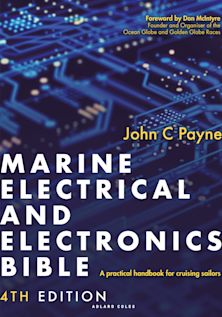
If you are headed somewhere remote consider the need to expand your knowledge base or have an information resource on board. Why not get a copy of my book The Marine and Electrical and Electronics Bible 4th Edition. By and for yachties, with everything from batteries and charging, solar and wind, diesel engines and marine electronics and so much more. Your complete systems guide. 650 pages of practical advice. In Australia and New Zealand order a copy through Boat Books. UK and European boats can buy the UK Edition Here. US and Canadian boats can get the US Edition Order Here. Marine systems are my profession so let me help you. By a liveaboard boat owner for other boat owners

Cardwell, Mission Beach & Dunk
Island Region
The coastline between Cardwell and Mission Beach includes a mix of exposed headlands, river entrances and island anchorages. Dunk Island provides reliable shelter from the SE trades and forms a natural staging point for movements north toward Cairns or south toward Hinchinbrook Channel. The region’s weather is shaped by the SE trades, localised sea breezes and the influence of offshore systems, and skippers plan movements around conditions to ensure comfortable passages.
Navigation relies on attention to depth, reef systems and tidal flow, with vessels selecting anchorages based on wind direction and sea state. The region’s combination of mainland harbours and island anchorages allows for predictable movements in most weather patterns, but exposed sections require disciplined planning and conservative routing.
North Queensland Cruising Guide for Yachts - Cairns Approaches Region
The approaches to Cairns form the northern limit of the North Queensland cruising region and the transition point into Far North Queensland. The coastline includes exposed headlands, reef‑affected waters and limited anchorages, with movements shaped by tidal flow, wind direction and the influence of the trades. Cairns provides full provisioning, fuel, water and repairs, and skippers use it as a staging point for movements north toward Cooktown or south toward Mission Beach.
Navigation relies on attention to reef systems, marked channels and tidal flow, and vessels often wait in Cairns for suitable weather windows before continuing north. The region’s infrastructure supports both local and transiting yachts, and the harbour’s protection allows for predictable movements regardless of offshore conditions.
North Queensland Cruising Guide for Yachts
- Summary
North Queensland Cruising Guide for Yachts shows what North Queensland provides, a mixed‑conditions cruising environment centred around Townsville, Magnetic Island, the Palm Island Group, Orpheus Island, Hinchinbrook Channel, Cardwell, Mission Beach, Dunk Island and the approaches to Cairns. Weather is shaped by the SE trades, localised sea breezes and the influence of the Great Barrier Reef. Services are concentrated at Townsville and Cairns, with sheltered anchorages and protected waterways supporting year‑round yacht movements. This hub page links each sub‑region to its detailed guide, giving skippers a clear operational overview for planning movements through North Queensland. North Queensland Cruising Guide for Yachts has a lot of useful information.