Nagasaki Sailing Guide for Yachts
Nagasaki sailing guide for yachts. Nagasaki functions as a controlled, high‑traffic harbour on the western coast of Kyushu, offering a predictable approach and a sheltered inner basin suited to yachts arriving from Korea, China, and the wider East China Sea. The port’s steep surrounding terrain and enclosed layout create consistently calm conditions inside the harbour, even when offshore weather is unsettled. Commercial movements dominate the waterway, and visiting yachts operate within a structured, rule‑driven environment from first entry to final berthing.
As a formal port of entry, Nagasaki follows Japan’s procedural clearance system and maintains clear expectations for vessel movement, documentation, and conduct. Berthing is assigned, anchoring is restricted, and services are concentrated within the inner harbour precinct. Provisioning is strong, with supermarkets, traditional markets, and a major fish market all within reach, while marine services cover routine maintenance with specialist work routed to larger centres. For skippers seeking a predictable, well‑regulated arrival point, Nagasaki provides a stable and operationally straightforward base.
Nagasaki Sailing Guide for Yachts - Approaches
The approach is direct and fully charted. Offshore depths shoal gradually toward the coast and remain consistent inside the bay. No coral, shoals, or unmarked hazards. The inner channel is fjord‑like and predictable.
The Tsushima Current runs north at 1–2 knots, creating longer seas in southerlies and short, steep seas in northerlies, but conditions settle immediately inside the bay. Traffic is the main factor: ferries and freighters follow fixed tracks and expect predictable yacht movement. AIS is strongly recommended. Daylight arrival is preferred due to traffic density and reduced contrast against steep terrain in poor visibility.
Nagasaki Sailing Guide for Yachts - Anchorage
Anchoring is not permitted. Visiting yachts proceed directly to assigned berths or marina pontoons in the inner basin.
Nagasaki Sailing Guide for Yachts - Entry Formalities
Advance Notice: Japanese officials expect accurate pre‑arrival details — ETA, vessel particulars, last port, and crew numbers. Consistency between your notice and your actual arrival makes clearance smoother. Documentation: Keep passports, crew list, ship’s papers, last‑port clearance, and any quarantine forms ready in a clean folder. Offering documents proactively speeds the process. Make multiple copies of everything and have them ready. Make lists of spare parts, provisions and so on. Vessel Presentation: A tidy, accessible vessel creates a strong first impression. Clear access, an uncluttered deck, and organised paperwork reduce the depth of inspection. Communication & Behaviour: Officials value calm, polite interaction. Speak slowly, avoid interrupting, and use low voices and simple greetings. Patience is expected, officers work methodically. Agency Procedures: Immigration, Customs, and Quarantine may board together or separately. Expect passport checks, verification of crew lists, and basic questions about voyage history. Making Clearance Easy: Preparation, tidy spaces, consistent paperwork, and respectful communication make Japanese clearance fast and predictable.
Quarantine Requirements: Fruit & Vegetables On Board. Japan enforces strict plant‑quarantine laws, and fresh fruits, vegetables, seeds, and plant products cannot be brought into the country without a valid phytosanitary certificate issued by the exporting nation. All plant items must be declared and inspected by the Plant Quarantine Service on arrival. Items without certification are confiscated immediately, and undeclared produce can trigger severe penalties, including fines or prosecution. Crews should ensure all fresh produce is either consumed before arrival or supported by proper documentation. Keeping stores clearly separated, labelled, and ready for inspection makes clearance faster and avoids delays.
Nagasaki Sailing Guide for Yachts - Marina Facilities
Dejima Wharf Marina provides floating pontoons for yachts up to ~20 m. Larger vessels use the Nagasaki Port Public Berth. Access is simple with flat water and minimal tide.
Shore power, potable water, and secure access are available. Fuel is via the commercial fuel wharf. No on‑site haul‑out; major work is done in Sasebo or Fukuoka.
Nagasaki Sailing Guide for Yachts - Local Weather
Predictable seasonal patterns with minimal sea state inside the harbour. Fog is occasional. Tidal streams inside the basin stay below 0.5 knots.
- Spring: Moderate W–SW winds, good visibility.
- Summer: SW winds, baiu rains, reduced visibility, typhoon exposure offshore; inner harbour remains protected.
- Autumn: Settled, NW winds, clear air.
- Winter: N–NW winds, short steep seas offshore; calm inside.
Nagasaki Sailing Guide for Yachts - Provisioning
Supermarkets. Aeon Nagasaki (Morimachi). Best full‑provisioning option; strong imported‑goods range. YouMe Town (Higashiyamate). High‑turnover fresh produce and Japanese staples. Seiyu (Walmart Group). Best for bulk dry goods and packaged items. MaxValu. Useful for topping up fresh items. Lawson / FamilyMart / 7‑Eleven – Convenience‑level resupply only.
Markets. Hamanomachi Shopping Arcade. The main traditional market; high‑turnover produce, tofu, bakery, dried goods, miso, pickles, seaweed. Shinchi Chinatown Market District for Asian greens, herbs, noodles, dumpling wrappers, tofu, sauces, preserved items. Urakami & Sakamoto Markets. Are small neighbourhood markets with vegetables, tofu, pickles, miso, daily essentials.
Fish Markets. Nagasaki Fish Market (Dejima‑machi). Primary wholesale/retail hub; daily landings of coastal fish, squid, shellfish, and processed seafood. Shinchi Chinatown Fish Stalls. Prawns, clams, crabs, steaming fish, dumpling fillings, preserved seafood. Hamanomachi Seafood Vendors. Small‑batch fish, shellfish, dried seaweed, bonito flakes, preserved items.
Nagasaki Sailing Guide for Yachts - Local Cuisine
Nagasaki’s cuisine blends Japanese, Chinese, and Portuguese influences, with several dishes directly shaping what crews can source locally. Champon. Noodle dish with mixed seafood, pork, and vegetables in a light broth. Sara‑udon. Crisp noodles topped with a stir‑fried seafood and vegetable mix. Kakuni. Slow‑braised pork belly, often sold pre‑prepared in markets. Shippoku ryōri. Multi‑dish table cuisine combining Japanese, Chinese, and Western techniques; ingredients (shiitake, root vegetables, seafood) are widely available. Guzoni. Clear soup with mochi, vegetables, and seafood; mochi and soup bases are easy to source. Toruko rice. Pork cutlet, pilaf, and spaghetti on one plate; ingredients readily available in supermarkets. Castella. Portuguese‑origin sponge cake, widely sold and high‑quality.
Nagasaki Sailing Guide for Yachts - Fuel Supplies
Diesel is obtained at the Nagasaki Port Fuel Wharf. Access is direct; fuel is dispensed by hose from fixed pumps. Timing must be coordinated due to commercial traffic. Fuel quality is reliable. No yacht‑specific fuel pontoon. Petrol must be purchased ashore in approved containers.
Nagasaki Sailing Guide for Yachts - Water Supplies
Potable water is available at all marina pontoons with stable pressure. Quality is generally good.
Mechanical
and Electrical Repairs Resource
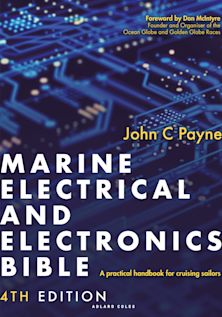
If you are headed somewhere remote consider the need to expand your knowledge base or have an information resource on board. Why not get a copy of my book The Marine and Electrical and Electronics Bible 4th Edition. By and for yachties, with everything from batteries and charging, solar and wind, diesel engines and marine electronics and so much more. Your complete systems guide. 650 pages of practical advice. In Australia and New Zealand order a copy through Boat Books. UK and European boats can buy the UK Edition Here. US and Canadian boats can get the US Edition Order Here. Marine systems are my profession so let me help you. By a liveaboard boat owner for other boat owners

Nagasaki Sailing Guide for Yachts - Marine Services
Local capability covers routine diesel servicing, minor electrical work, plumbing, batteries, and general mechanical tasks. No yacht‑engineering firms, riggers, sail lofts, or advanced electronics specialists. Specialist work (Volvo Penta, Yanmar, Raymarine, Garmin, Furuno) is handled in Fukuoka or Sasebo. Haul‑out capacity is limited and geared to fishing vessels. Spare parts typically shipped from larger centres.
Nagasaki Sailing Guide for Yachts - Local Customs
Japan’s maritime culture is formal and procedural. Predictable vessel movement is expected; commercial traffic has priority. Officials expect accurate paperwork and concise answers. Documents are handed over with two hands. Noise discipline is strict. Waste must be sorted correctly. Shoes may need to be removed in some offices. Photography of port, naval, or security areas is restricted. Drone use requires approval. Punctuality is essential. Courtesy is expressed through brief bows and polite language. For a complete summary visit the page about Japanese Port Culture and Etiquette.
Hello. Japanese has several forms depending on time of day and formality. Konnichiwa is the standard daytime “hello”. (ohayō gozaimasu); “good morning” and (konbanwa) “good evening”.
Thank you. Two main forms, both correct. (arigatō) is casual and (arigatō gozaimasu) is polite and standard. For harbours, officials, and shops arigatō gozaimasu is the correct form.
Nagasaki Sailing Guide for Yachts - Summary
Nagasaki offers a predictable, sheltered harbour with structured entry procedures, reliable berthing, strong provisioning, and basic marine services. Fuel and water are straightforward, and the harbour remains calm in all conditions. For yachts arriving from Korea, China, or the wider East China Sea, Nagasaki provides a secure, well‑regulated arrival point with clear operational expectations. Nagasaki Sailing Guide for Yachts with all you need to know.