Mombasa Yacht Port Guide
Mombasa yacht port guide. I have visited this place several times some years back in my merchant marine days when we traded up and down the East African coast. Mombasa is Kenya’s primary deep‑water commercial port, handling container ships, bulk carriers, tankers, and cruise vessels. The harbour is large, busy, and controlled, with all movements governed by Kenya Ports Authority (KPA). There are no yacht marinas, no yacht pontoons, and no recreational berths. Any yacht entering Mombasa must operate inside a commercial environment with strict traffic separation, pilotage control, and limited manoeuvring space.
Yachts use Mombasa as a clearance point and provisioning stop on passages between Tanzania, Seychelles, Somalia‑free routes, and the western Indian Ocean. The port is functional for clearance and logistics but not designed for small craft.
Mombasa Yacht Port
Guide - Reasons to Avoid
Mombasa presents real, operational security risks for yachts, and they are very different from the risks in a leisure‑oriented port. These risks fall into three distinct categories: port‑side commercial hazards, shore‑side crime exposure, and regional maritime‑security considerations. Shore‑side security risks in Mombasa and these risks apply once crew go ashore, not to the vessel itself. Petty theft, pickpocketing and opportunistic theft occur in crowded areas, especially around markets and transport hubs. Bag‑snatching and phone theft is common in busy streets and near ferry terminals. After‑dark movement in some areas of central Mombasa have very elevated risk at night due to low lighting and limited police presence. Taxi and transport scams, overcharging or unofficial taxis presenting as legitimate. These are manageable with normal precautions but must be acknowledged.
Regional Maritime Security Risks (offshore)
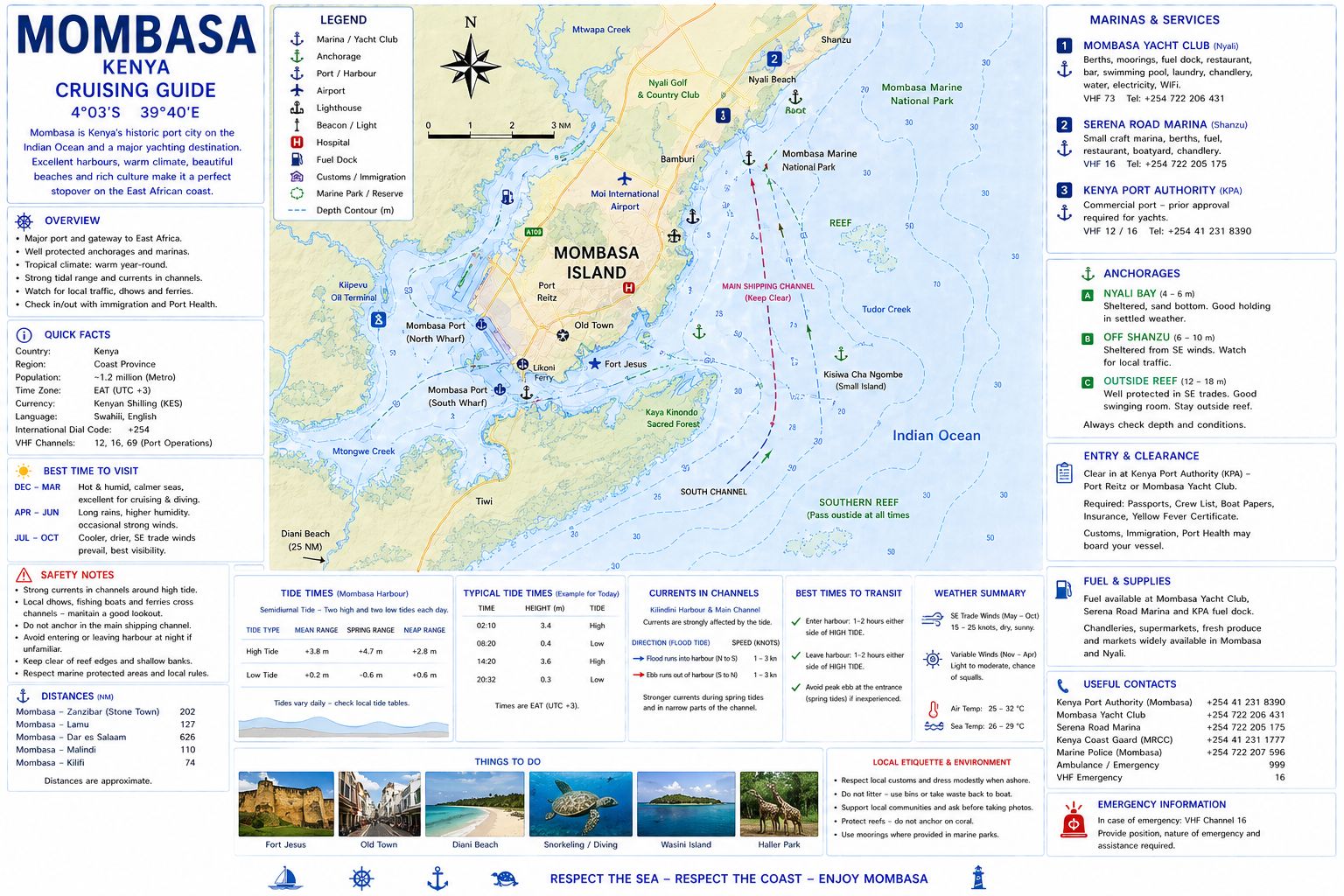
These risks relate to the wider western Indian Ocean, not the port itself. Offshore piracy risk zones although reduced, the Somali Basin and approaches north of Kenya remain monitored under international maritime security frameworks. Fishing‑fleet interactions are unlit or poorly lit dhows and fishing vessels operate close to the coast, creating collision risk at night. AIS‑off vessels some local craft operate without AIS, making night approaches more complex. These risks are navigational and situational rather than targeted threats.
Vessel‑specific risks. Inside the port, the primary vessel‑specific risk is theft from an unattended yacht, but this is less common inside the controlled commercial zone than in open anchorages. The main exposure is Dinghy theft is the most common yacht‑related theft in East African ports. Deck‑level items for loose gear, jerry cans, and outboards left unsecured. Nothing here is extreme, but none of it is “yacht‑friendly”. The environment demands commercial‑port discipline, tight onboard security, and careful crew movement ashore.
Mombasa Yacht Port Guide - Approaches
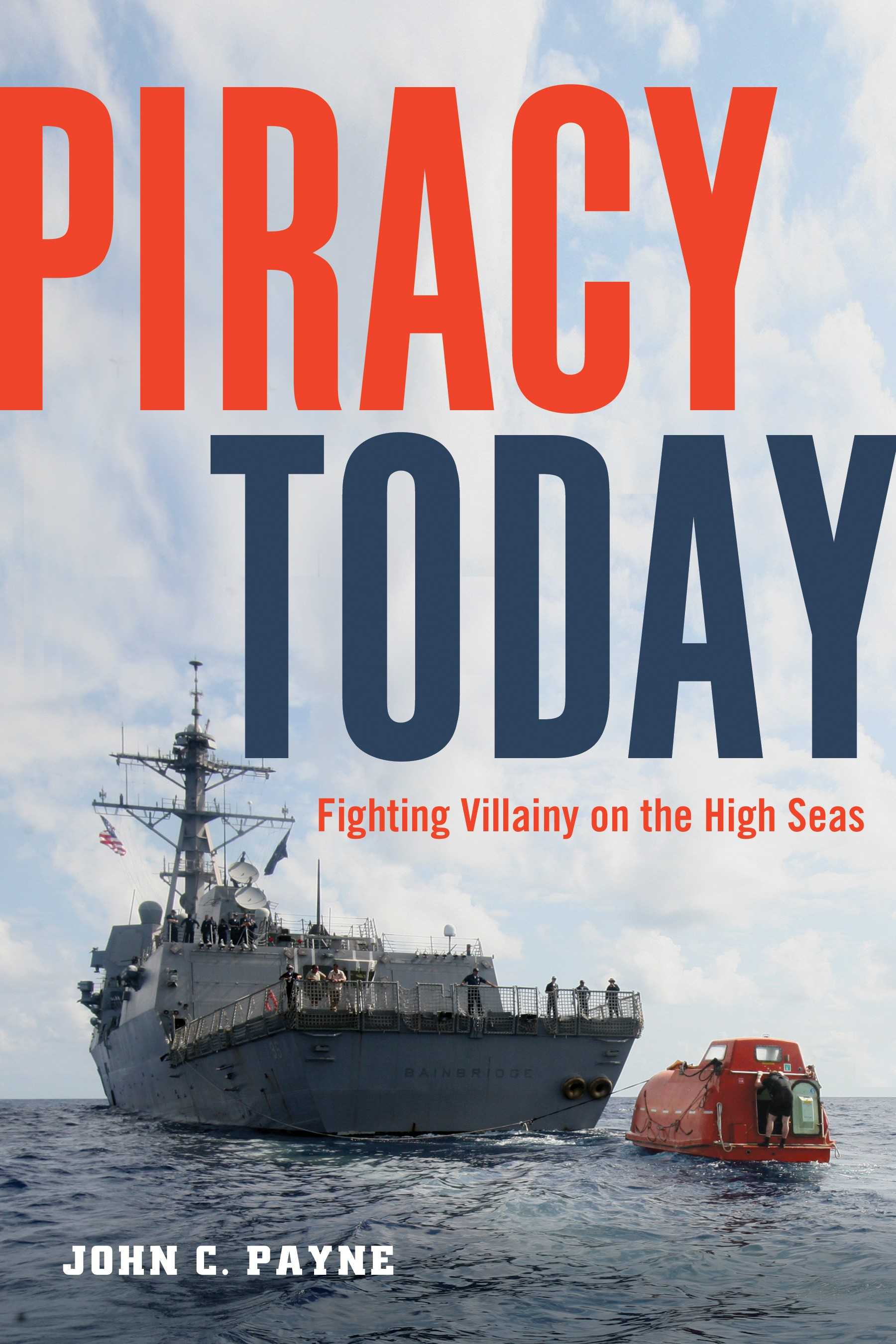
Approaches to Kilindini Harbour are deep, with 20–40 m outside the entrance and dredged depths inside the channel. The entrance is wide but heavily trafficked by commercial vessels. Yachts must maintain a listening watch on port control channels and follow instructions precisely. Cross‑winds and tidal flow can be significant in the entrance channel.
Inside the harbour, depths remain 10–15 m in the main fairway, reducing to 6–10 m near secondary quays. Yachts must stay clear of container berths, tanker berths, and turning basins.
Mombasa Yacht Port
Guide - Anchorage
There is no designated yacht anchorage inside Kilindini Harbour. Temporary anchoring may be permitted only when directed by KPA and only in specific holding areas used by small commercial craft. Depths in these areas are typically 8–12 m over mud. Holding is adequate but wash from tugs and passing ships is constant. Anchoring without explicit permission is not allowed.
Mombasa Yacht Port
Guide - Entry and Clearance
Mombasa is an official port of entry. Yachts must contact KPA before arrival and follow instructions for entering the harbour. Clearance is conducted at port offices within the commercial zone. Movement inside the port is controlled, and access to quays may require escort or prior arrangement. Documentation includes passports, vessel registration, crew list, last port clearance, and any required visas. Kenya operates standard immigration and customs procedures, and yachts must comply with port‑security rules.
Mombasa Yacht Port
Guide - Local Weather
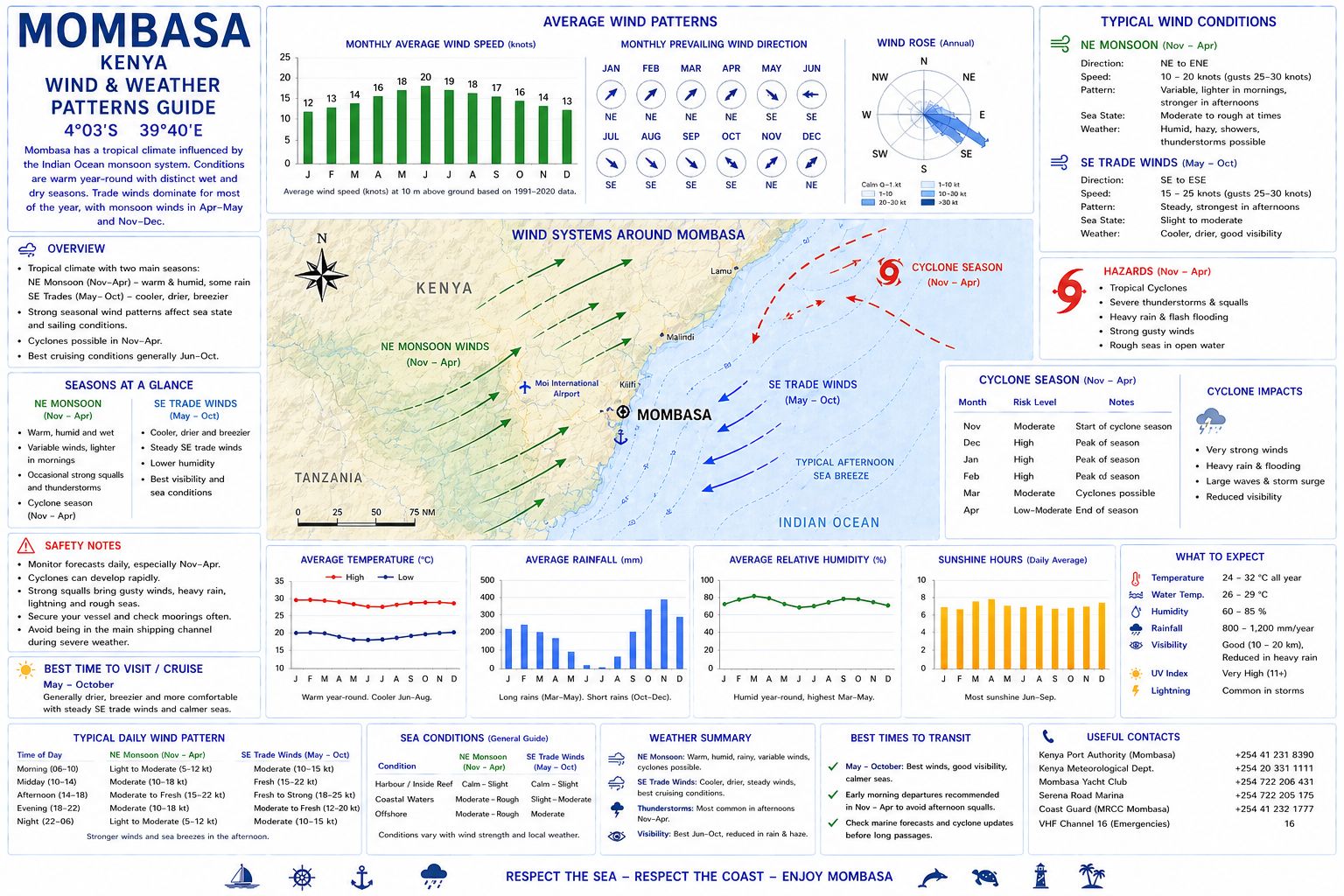
Mombasa experiences monsoon‑driven conditions.
- NE monsoon (Dec–Mar): lighter winds, calmer seas.
- SE monsoon (May–Oct): stronger winds, rougher offshore conditions, increased swell at the harbour entrance.
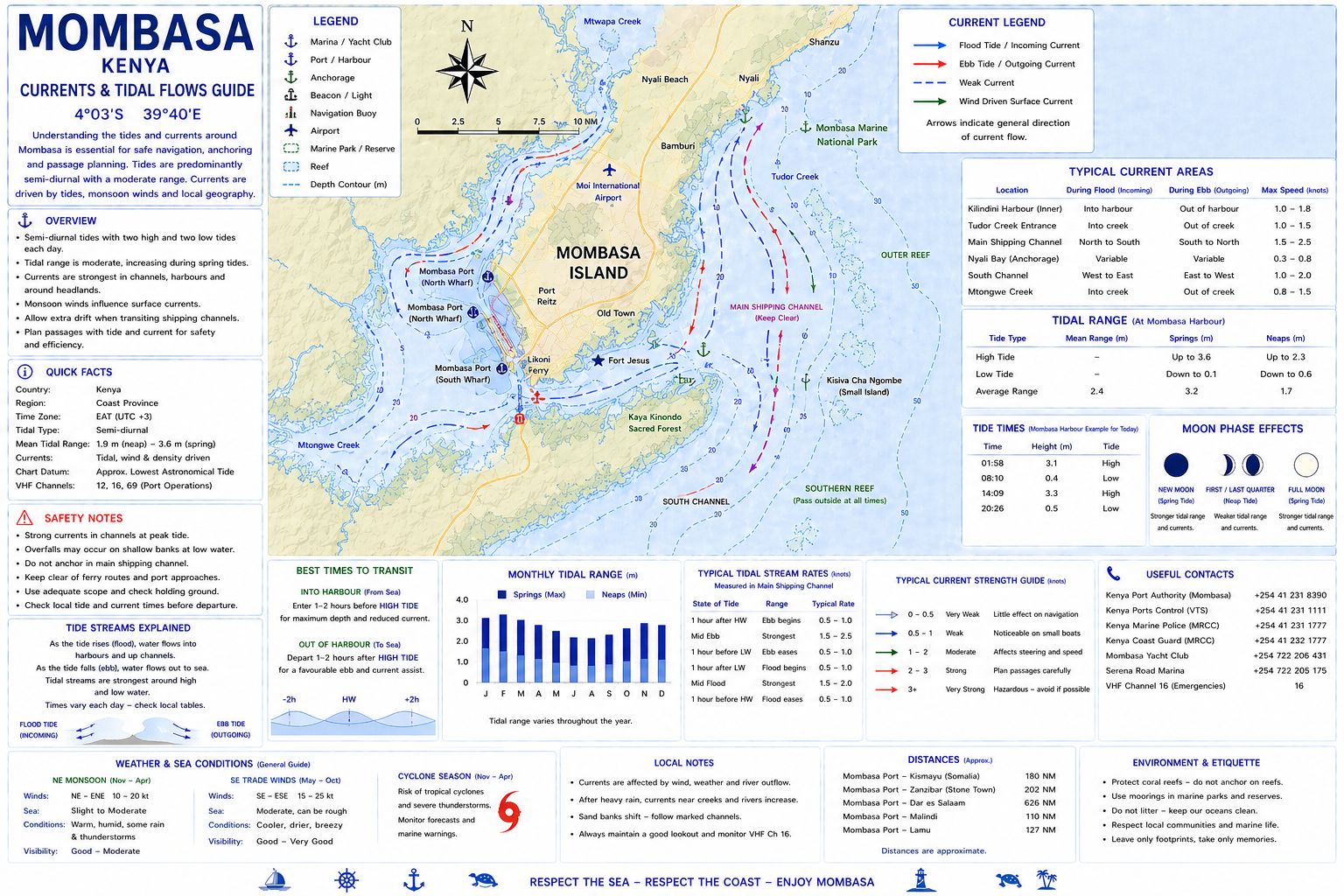
Inside the harbour, conditions are calm year‑round, with tidal currents influencing manoeuvring.
Mombasa Yacht Port Guide - Currents and Tidal Flows
Mombasa Yacht Port
Guide - Provisioning
Supermarkets. Mombasa has full‑scale supermarkets including Naivas, Carrefour, and City Mall supermarkets in Nyali. These provide complete reprovisioning capability: dry goods, fresh produce, meat, dairy, beverages, and household supplies.
Markets. The Mombasa Central Market and Kongowea Market supply vegetables, fruit, herbs, spices, and local staples. Volumes are high, and turnover is constant.
Seafood. Fish is available from Mombasa fish market and coastal vendors, with tuna, kingfish, snapper, and reef species common.
Mombasa Yacht Port
Guide - Local Cuisine
Fish curry is fish cooked with tomatoes, garlic, ginger, and coastal spices. Pilau is rice cooked with beef or chicken and whole spices. Biriani is layered rice and meat cooked with stock and spices. Mishkaki is skewered beef or chicken grilled over charcoal. Chapati is flatbread served with stews or curries.
Mombasa Yacht Port
Guide - Fuel Supplies
There is no yacht fuel dock. Fuel is obtained by jerry can from roadside stations near the port area. Diesel and petrol quality is reliable. Commercial bunkering exists but is not normally available to yachts.
Mombasa Yacht Port
Guide - Water Supplies
Potable water is available only by arrangement through port services or by jerry can from shore facilities. There are no yacht‑dedicated water points.
Mechanical and Electrical Repairs
Resource
If you are headed somewhere remote consider the need to expand your knowledge base or have an information resource on board. Why not get a copy of my book The Marine and Electrical and Electronics Bible 4th Edition. By and for yachties, with everything from batteries and charging, solar and wind, diesel engines and marine electronics and so much more. Your complete systems guide. 650 pages of practical advice. In Australia and New Zealand order a copy through Boat Books. UK and European boats can buy the UK Edition Here. US and Canadian boats can get the US Edition Order Here. Marine systems are my profession so let me help you. By a liveaboard boat owner for other boat owners


Mombasa Yacht Port
Guide - Marine Services
Mombasa has extensive commercial marine infrastructure but very limited yacht‑specific services. Mechanical, welding, and fabrication services exist through commercial workshops. Chandlery supply is basic. Haul‑out for yachts is possible only through commercial yards with limited suitability for small craft.
Mombasa Yacht Port
Guide - Local Customs
Port access is controlled. Movement inside the port requires permission. Shops use fixed pricing. Administrative offices operate on weekday hours and close on weekends and holidays.
Mombasa Yacht Port
Guide - Summary
Mombasa is a functional but purely commercial port with no yacht facilities. Approaches are deep and busy, anchoring is controlled, and clearance is straightforward but conducted inside a high‑security commercial zone. Provisioning is excellent, fuel and water require jerry‑can logistics, and marine services are industrial rather than yacht‑focused. Yachts calling at Mombasa must operate with commercial‑port discipline and self‑sufficiency. Mombasa Yacht Port Guide for all you need to know.