Mayotte Dzaoudzi Cruising
Guide
Mayotte Dzaoudzi Cruising Guide for Yachts. Dzaoudzi is the operational entry point for Mayotte and the only location in the territory that provides the full combination of clearance, provisioning, fuel, water, and protected anchorage required for Indian Ocean transits. The port sits on Petite‑Terre and controls access to the lagoon, which is the primary holding area for visiting yachts. The lagoon’s protection from ocean swell and the island’s French administrative framework make Dzaoudzi the most reliable support hub between Madagascar and Mozambique.
Situated south of the Seychelles, Mayotte is a French overseas department in the Indian Ocean, Mozambique Channel, between Madagascar and Mozambique and two islands Grande-Terre (main island) and Petite-Terre (Pamandzi). Best known for its rich blend of African, Malagasy, and French cultures. It is surrounded by one of the world’s largest enclosed coral lagoons and perfect anchorage. Mayotte has several well-established supermarket chains, mostly concentrated in Mamoudzou and surrounding areas. Most packaged foods and specialty items come from mainland France or Réunion.
Mayotte Dzaoudzi Cruising
Guide - Approaches
Approaches to Dzaoudzi remain above 40 m until close to the lagoon entrance, where depths shoal predictably to around 15 m in the marked channel. The entrance is wide, well‑buoyed, and free of hazards, with reliable lateral marks and lighting. Night entry is possible with Port Captain approval, but ferry and local‑boat traffic increases workload. The outer coastline is volcanic with steep drop‑offs, and reefs fringe the island’s perimeter, but none obstruct the main approach route. Inside the lagoon, depths remain consistent and navigable, with no uncharted shoals in the transit path to the anchorage.
Mayotte Dzaoudzi Cruising
Guide - Anchorage
Anchorage is taken inside the lagoon in 10–20 m on sand with reliable holding. The lagoon is fully protected from ocean swell, and conditions remain stable in both trade‑wind and monsoon seasons. Depths are consistent across the anchorage zone, and the seabed provides predictable holding for vessels of all sizes. Dinghy access is via steps or pontoons near the port. The anchorage is monitored, and vessels must obtain permission from the Port Captain before entering the lagoon.
Mayotte Dzaoudzi Cruising
Guide - Entry Formalities
Clearance follows French overseas‑territory procedures. Immigration, Customs, and Port Authority offices are located in Dzaoudzi and operate on predictable schedules. Entry requires passports, vessel registration, crew list, and arrival declaration. Clearance is efficient compared to regional ports, and fees are standardised. Permission to enter the lagoon is obtained via VHF. Firearms must be declared. Biosecurity controls apply to fresh produce. Drone use is regulated and requires approval. Clearance is mandatory on both arrival and departure.
Mayotte Dzaoudzi Cruising
Guide - Marina Facilities
There is no marina in Dzaoudzi. Yachts anchor in the lagoon and use dinghy access points for shore movements. The port quays are reserved for commercial vessels and ferries. There are no pontoons, no haul‑out facilities for deep‑keel yachts, and no hard‑stand suitable for major work. Small‑craft haul‑out capability exists for local boats only. Basic services such as fuel, water, and provisioning are available ashore, but all yacht operations are conducted from the anchorage.
Mayotte Dzaoudzi Cruising
Guide - Local Weather
The SE trades dominate from May to October with moderate winds and stable lagoon conditions. Winds are generally 12–20 kn, and the lagoon remains calm due to full swell protection. From November to April, the NW monsoon brings lighter winds, humidity, and cyclone exposure. Cyclone tracks occasionally pass near Mayotte, but the lagoon provides better shelter than exposed anchorages in the region. Afternoon sea breezes develop regularly but do not affect anchorage comfort. Visibility is generally good, and local squalls are short‑lived.
Mayotte Dzaoudzi Cruising
Guide - Provisioning
Supermarkets. Carrefour (Mamoudzou). Dry goods, frozen goods, dairy, bakery, beverages, household supplies. Jumbo Score (Mamoudzou). Dry goods, frozen meat and fish, dairy, bakery items, beverages, long‑life products. Local groceries (Dzaoudzi & Labattoir). Bottled water, bread, eggs, onions, potatoes, bananas, citrus, soft drinks, basic frozen goods. Sodicash Mamoudzou is a wholesale and retail supplier offering bulk goods, beverages, and general merchandise. MAORE Food Distribution (Koungou) is a major distributor of grocery and related products, including dairy, frozen items, and beverages.
Markets. Dzaoudzi Market. Fresh vegetables, fruit, herbs, spices, coconuts. Labattoir Market. Additional fruit and vegetables with high turnover. Staples. Local rice, lentils, beans, dried maize. . Roadside vendors and village stalls are common across the island, especially in Dembeni, Sada, and Chirongui. You’ll find seasonal produce and homemade items. Organic and specialty shops include Ashiki Bio and Mikilati Traiteur offer organic vegetables and local delicacies.
Fish Markets. Port‑side fish sellers. Tuna, trevally, kingfish, reef species, squid.
Indian Ocean
Crossing Deaths
A distress call in the Mozambique Channel led authorities to a yacht where two highly experienced sailors, 67‑year‑old Australian Deirdre Sibly and French sailor Pascal Mahé, were found dead aboard their 50‑foot catamaran during a passage from Réunion to Durban. Their deaths occurred on 27 November 2025, and the case has since been widely reported as a suspected food‑poisoning event, although investigations are still ongoing.
The couple departed Réunion Island bound for Durban, South Africa, a common westbound Indian Ocean transit route. While sailing between Madagascar and Mozambique, a distress alert was received. Responding vessels located the yacht adrift and found both sailors deceased onboard. Both were described as experienced blue‑water cruisers with extensive passage‑making history.
Cause of death. Authorities have not released a final forensic determination, but reporting indicates the working hypothesis is fatal food poisoning, consistent with the circumstances and absence of struggle or trauma. No official confirmation has been published regarding the specific toxin or food source. Although the exact toxin has not been publicly identified, the region is known for risks such as Ciguatera from reef fish (a well‑documented marine toxin illness), Marine biotoxins associated with algal blooms, which have caused other fatal food‑poisoning investigations in the region. These are consistent with the type of sudden, severe onset that can incapacitate a crew at sea.
Operational relevance for Indian Ocean sailors. This incident underscores several practical risks. Reef‑fish consumption in the western Indian Ocean carries non‑zero ciguatera risk, especially species like barracuda, trevally, grouper, and amberjack. Symptoms can be rapid and severe, and treatment options offshore are extremely limited. A two‑person crew is particularly vulnerable if both are affected simultaneously. Food‑handling, fish‑selection, and toxin‑avoidance protocols are critical on long passages.
Food‑Related Risk
on Indian Ocean Passages
Marine‑toxin food poisoning is a recognised hazard across the western Indian Ocean, particularly on long passages where crews rely on self‑caught fish or locally sourced reef species. Toxins such as ciguatoxin occur naturally in reef ecosystems and are not destroyed by cooking, freezing, or cleaning. Illness can develop rapidly and incapacitate an entire crew if the same fish is consumed. Two‑person crews are especially vulnerable because simultaneous onset leaves the vessel unmanned.
High‑Risk Species. Reef‑associated predatory fish carry the highest toxin load. The following species are consistently identified as high‑risk in the western Indian Ocean, Barracuda, Grouper (all large species), Trevally, Amberjack, Snapper (large reef species) and Moray eel. These species should be avoided entirely on ocean passages. Pelagic species such as tuna, wahoo, and mahi‑mahi carry significantly lower risk and are the preferred option when fishing offshore.
Geographic Hotspots. Ciguatera risk is elevated around Madagascar’s west and northwest reefs. Comoros archipelago, Mayotte lagoon and fringing reefs, Mozambique Channel islands and banks. Seychelles outer islands. Risk increases near shallow reefs, coral rubble zones, and areas with algal growth following storms or warm‑water events.
Onboard Risk‑Reduction Protocols. These are operational guidelines, not medical instructions. Avoid all reef fish caught within 20–30 nm of land. Prioritise pelagic species caught in deep water. Do not consume fish if the flesh has an unusual smell, texture, or colour. Do not consume large or old fish; toxin load increases with size and age. Do not consume fish liver, roe, or head meat, where toxins concentrate. If one crew member becomes unwell after eating fish, all remaining portions should be discarded immediately.
Two‑Person Crew Vulnerability. A two‑person crew is at highest operational risk because: Both typically eat the same meal. Onset can be rapid, leaving no functional watchkeeper. Passage planning for two‑person crews should assume zero tolerance for reef‑fish consumption.
Passage‑Planning Implications. Provision sufficient protein to avoid reliance on reef fishing. Treat all reef‑caught fish as unsuitable for consumption. Maintain a conservative fishing policy offshore: pelagic species only. Ensure the vessel can maintain course and speed under autopilot if both crew are incapacitated. Maintain regular check‑ins with shore contacts during long legs.
Relevance to the Recent Fatality
The suspected food‑poisoning deaths of two experienced sailors in the Mozambique Channel highlight the operational reality: marine toxins can incapacitate a crew without warning, and a yacht at sea cannot rely on medical intervention. The case reinforces the need for strict fish‑selection protocols and conservative food‑safety practices on long passages.
Mayotte Dzaoudzi Cruising
Guide - Local Cuisine
Mataba. Cassava leaves cooked in coconut milk. Pilao. Spiced rice cooked with meat or fish. Poulet coco. Chicken simmered in coconut milk. Poisson au citron vert. Fish cooked with lime and aromatics. Sambusa. Fried pastry filled with minced meat or fish. Brochettes mahoraise. Grilled meat skewers seasoned with local spices.
Mayotte Dzaoudzi Cruising
Guide - Fuel Supplies
Diesel and petrol are available at roadside fuel stations and must be transported by jerry can. Fuel quality is reliable due to French supply standards. There is no fuel dock for yachts. Fuel availability is consistent, and supply interruptions are rare.
Mayotte Dzaoudzi Cruising Guide - Water Supplies
Potable water is available from taps near the port and can be transferred by jerry can. Water quality meets French standards and is suitable for tank filling without additional treatment. Water makers can be used in the lagoon, but many skippers prefer shore‑sourced potable water for tank loading.
Mechanical and Electrical Repairs
Resource
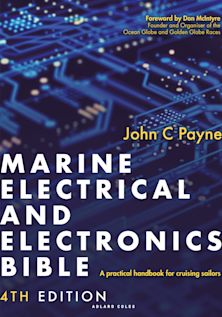
If you are headed somewhere remote consider the need to expand your knowledge base or have an information resource on board. Why not get a copy of my book The Marine and Electrical and Electronics Bible 4th Edition. By and for yachties, with everything from batteries and charging, solar and wind, diesel engines and marine electronics and so much more. Your complete systems guide. 650 pages of practical advice. In Australia and New Zealand order a copy through Boat Books. UK and European boats can buy the UK Edition Here. US and Canadian boats can get the US Edition Order Here. Marine systems are my profession so let me help you. By a liveaboard boat owner for other boat owners

Mayotte Dzaoudzi Cruising
Guide - Marine Services
Basic mechanical, electrical, and outboard servicing is available. Chandlery items are limited but reliable. No sailmakers or riggers are present. Haul‑out capability is limited to small local craft; deep‑keel yachts cannot be lifted. Spare parts availability is limited, and specialised components should be sourced before arrival. Local workshops can perform basic metalwork and carpentry but are not equipped for major yacht repairs.
Mayotte Dzaoudzi Cruising
Guide - Local Customs
Transactions are euro‑based and mostly non‑negotiable. Photography of people requires permission. Dress standards are conservative in town, particularly in markets and administrative areas. Business hours follow French patterns, with closures during midday and on Sundays. Port areas require clear communication with authorities, and movement within controlled zones is regulated. Local interactions are direct and formal, and clear explanations are expected.
Mayotte Dzaoudzi Cruising
Guide - Summary
Dzaoudzi is the only location in Mayotte capable of supporting full yacht operations. It provides protected anchorage, predictable clearance, reliable provisioning, potable water, and stable fuel supply. While marine services are limited, the lagoon’s protection and the island’s French administrative structure make Dzaoudzi the most dependable support hub between Madagascar and Mozambique. All major preparation tasks for onward passages can be completed here. Mayotte Dzaoudzi Cruising Guide for all you need to know.