Maputo Yacht Cruising Guide
Maputo yacht cruising guide. Maputo is Mozambique’s largest commercial harbour and the country’s primary southern port. The harbour sits at the mouth of the Santo River and is dominated by commercial shipping, with yacht access limited to specific berthing areas and controlled movements. There is no dedicated marina infrastructure, and yachts typically anchor or arrange informal berthing depending on availability
The port is used by yachts for provisioning, repairs, crew changes, and staging for passages north toward Inhaca Island and Mozambique’s central coast or south toward South Africa. The harbour is sheltered but heavily regulated.
Maputo Yacht Cruising
Guide - Approaches
Approaches to Maputo are straightforward in deep water until close to the bay. Depths outside the approaches remain between 15 m and 30 m, shoaling gradually as vessels enter Maputo Bay. The entrance channel is dredged for commercial shipping and must be followed precisely. Sea states are generally moderate, with chop during strong southerlies and longer‑period swell during frontal systems. Tidal range is modest, and currents inside the bay are manageable. Commercial traffic is continuous, and yachts must keep clear of shipping lanes.
Maputo Yacht Cruising
Guide - Anchorage
Anchoring for yachts is permitted only in designated areas of Maputo Bay outside commercial channels. Depths vary from 6 m to 12 m depending on tide. Holding is generally good in mud and sand. The anchorage is sheltered from ocean swell but exposed to wind‑driven chop during strong southerlies. Dinghy access to shore is via informal landing points or waterfront facilities.
Maputo Yacht Cruising
Guide - Entry Formalities
Maputo is a port of entry. Clearance is completed through Immigration, Customs, and Port Health. Required documentation includes vessel registration, crew list, passports, and last port clearance. Firearms, drones, and communications equipment must be declared. Starlink use must comply with Mozambican telecommunications regulations. Movement within the commercial port is restricted, and yachts may be directed to specific landing points for clearance.
Maputo Yacht Cruising
Guide - Marina Facilities
There is no dedicated marina in Maputo. Yachts anchor in the bay or arrange informal berthing through local waterfront facilities. Water and fuel are obtained by jerry can. There are no haul‑out facilities for yachts, and no pontoons or moorings exist. All movements inside the harbour require coordination with port authorities.
Maputo Yacht Cruising
Guide - Local Weather
Maputo experiences tropical coastal weather. The southeast trade winds dominate from May to October, producing moderate seas offshore but calmer conditions inside the bay. The northwest monsoon from November to March brings higher humidity, squalls, and heavy rainfall. Cyclones can affect the region during the monsoon season. Visibility is generally good, though haze increases during humid periods.
Maputo Yacht Cruising
Guide - Provisioning
Supermarkets. Shoprite Maputo is the primary provisioning point for yachts and provides dry goods, fresh produce, meat, dairy, frozen foods, beverages, and household supplies. It is used for general provisioning and is accessible by taxi from the anchorage. Premier Supermercado Maputo offers fresh produce, meat, dairy, and packaged staples and is used for smaller provisioning runs or when specific items are required. Wholesale outlets in the industrial district carry bulk dry goods, larger pack sizes, and beverages. These are used for long‑passage provisioning and volume purchases, with direct loading into taxis for transport back to the dinghy landing point
Markets. Maputo Municipal Market provides high‑turnover fruit, vegetables, bread, and local staples. It is used for fresh produce and day‑to‑day provisioning. Smaller neighbourhood markets offer variable produce and are used selectively.
Fish Markets. Waterfront fish stalls supply fresh local pelagics and reef fish depending on landings. These are used for day‑to‑day fish provisioning. Commercial fishmongers near the port provide larger quantities and are used when stocking for longer passages.
Maputo Yacht Cruising
Guide - Local Cuisine
Maputo’s cuisine reflects southern Mozambican coastal cooking with emphasis on grilled fish, prawns, and cassava‑based dishes. Piri‑piri prawns are common, prepared with a vinegar‑based chilli marinade. Mud crab is grilled or stewed with coconut, tomato, and mild spices. Matapa is widely eaten, made from cassava leaves cooked with coconut milk and ground peanuts. Cashews appear roasted, salted, or ground into sauces. Rice, cassava, and maize form the staple base of most meals.
Maputo Yacht Cruising
Guide - Fuel Supplies
Fuel is obtained by jerry can from service stations in the city. Diesel and petrol quality is generally reliable. There is no yacht‑specific fuel dock. Commercial bunkering exists in the port but is not used by yachts.
Maputo Yacht Cruising
Guide - Water Supplies
Potable water is obtained by jerry can from local suppliers or service stations. There are no dedicated yacht water points. Water quality varies, and many yachts filter or treat water before filling tanks.
Mechanical and Electrical Repairs
Resource
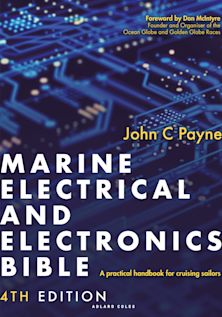
If you are headed somewhere remote consider the need to expand your knowledge base or have an information resource on board. Why not get a copy of my book The Marine and Electrical and Electronics Bible 4th Edition. By and for yachties, with everything from batteries and charging, solar and wind, diesel engines and marine electronics and so much more. Your complete systems guide. 650 pages of practical advice. In Australia and New Zealand order a copy through Boat Books. UK and European boats can buy the UK Edition Here. US and Canadian boats can get the US Edition Order Here. Marine systems are my profession so let me help you. By a liveaboard boat owner for other boat owners

Maputo Yacht Cruising
Guide - Marine Services
Marine services in Maputo are limited. Local workshops provide basic mechanical repair, welding, and electrical work. Marine electronics support is minimal. Chandlery supply is limited to basic hardware and fishing‑related items. Specialised parts may need to be sourced from South Africa or imported. There are no haul‑out or rigging facilities for yachts.
Maputo Yacht Cruising
Guide - Local Customs
Maputo expects polite, direct communication. Portuguese is the primary language used in formal settings. Public behaviour is moderate, and loud or confrontational conduct is discouraged. Photography of port infrastructure requires permission. Security awareness is normal; valuables are kept out of sight, and dinghies are secured when left ashore.
Maputo Yacht Cruising
Guide – Security
Shore‑side security in Maputo requires controlled, deliberate movement due to variable conditions around the waterfront, informal landing points, and the commercial districts. Opportunistic theft is the main issue, particularly around markets, taxi ranks, and busy streets where phones and bags can be targeted. Dinghies must be locked and outboards secured, as unattended equipment is vulnerable at informal shore points. Crews typically use taxis for all movements rather than walking between districts, especially after dark, and provisioning runs are best done in pairs to manage bags and maintain awareness. Cash should be kept concealed, and movements through port‑controlled areas should follow established paths rather than informal shortcuts.
Maputo Yacht Cruising
Guide - Summary
Maputo is a large commercial harbour with no marina infrastructure and controlled movements for visiting yachts. Approaches are straightforward but require adherence to dredged channels. Yachts anchor in the bay and go ashore by dinghy. Provisioning is adequate through supermarkets, markets, and waterfront fish stalls. Marine services are limited. The port is a functional stop for yachts moving along the southern Mozambique coast or staging for passages north or south. Maputo Yacht Cruising Guide for all you need to know