Luderitz Sailing Guide Namibia
Luderitz Sailing Guide Namibia. Lüderitz is a small, exposed harbour on Namibia’s southern coast, functioning as a limited but reliable stop for yachts transiting between Cape Town and Walvis Bay or repositioning along the continental margin. The port sits inside a narrow bay cut into the desert coastline, offering workable shelter from swell but subject to strong winds and rapid weather changes driven by the Benguela Current and the surrounding arid terrain. It is not a full‑service hub, but it provides predictable clearance, basic provisioning and a stable anchorage environment for short operational stops.
Yachts use Lüderitz as a secondary support point rather than a primary destination. The harbour’s infrastructure is modest, with limited technical capability and constrained access to fuel and water, but the administrative process is straightforward and the anchorage is secure in settled conditions. The town’s commercial footprint ensures access to essential supplies, and the port’s position makes it a practical pause for vessels shaping routes north toward Walvis Bay or south toward Cape Town.
Luderitz Sailing Guide Namibia
- Approaches
Approaches to Lüderitz require attention to wind strength, visibility and sea state. The coastline is low, uniform and difficult to identify in haze or fog, and the entrance to the bay is narrow with rocky outcrops on both sides. Depths rise cleanly, and the channel is well defined, but strong southerly winds can create steep chop at the entrance. Once inside, the bay provides immediate relief from swell, though gusts remain common due to the surrounding terrain.
Luderitz Sailing Guide Namibia
- Navigation and Pilotage
Navigation is straightforward in clear conditions, with a marked channel and predictable depths. Afternoon winds can reach high strengths, and yachts must allow for sudden gusts when manoeuvring. Pilotage is not required, but adherence to port control instructions is essential, particularly when commercial vessels are operating in the harbour. Visibility may be reduced by fog or sand haze, and yachts should avoid close‑coast navigation outside the entrance channel.
Luderitz Sailing Guide Namibia
- Anchorage
Yachts anchor within the inner bay in 3–7 m of water with reliable holding in sand. The anchorage is protected from swell but exposed to strong winds, especially during afternoon thermal cycles. Space is adequate, and access to shore is uncomplicated via designated landing points. The anchorage is used primarily for short stays, provisioning and clearance rather than extended layovers.
Luderitz Sailing Guide Namibia
- Entry Formalities
Lüderitz maintains a clear and predictable clearance process. Yachts report to port control on arrival, anchor as directed and complete immigration, customs and port procedures ashore. Documentation requirements are standard for Namibia, and the administrative footprint is lighter than in many regional ports. Clearance is normally completed efficiently, reflecting the port’s small scale and low traffic volume.
Luderitz Sailing Guide Namibia
- Marina Facilities
There is no marina infrastructure. Yachts rely on the anchorage and shore access via the yacht club or designated landing points. Limited moorings may be available, but facilities are basic. The harbour’s commercial orientation means that support services are functional rather than recreational.
Luderitz Sailing Guide Namibia
- Local Weather
Weather is shaped by the Benguela Current and the desert coastline, producing cool sea temperatures, frequent fog and strong winds. Afternoon gusts are common, and the harbour can experience sudden increases in wind strength due to local topography. Swell is generally low inside the bay, and the anchorage remains usable in most conditions, though wind exposure requires careful anchoring.
Luderitz Sailing Guide Namibia
- Provisioning
Lüderitz offers reliable but limited provisioning. Supermarkets provide dry goods, fresh produce and basic supplies suitable for coastal passages, though selection is narrower than in Walvis Bay or Cape Town. Fresh produce availability varies with deliveries from inland regions, and yachts should not rely on the town for full offshore provisioning. The local market provides small quantities of vegetables and fruit, and fish can be sourced from licensed vendors or the harbour’s fishing fleet when available.
Luderitz Sailing Guide Namibia
- Local Cuisine
Lüderitz has no yacht‑relevant culinary culture, though the town’s fishing industry supplies fresh fish when available. Local dishes are not operationally significant, and yachts rely on standard provisioning rather than local cuisine
Luderitz Sailing Guide Namibia
- Fuel Supplies
Fuel availability is limited. Diesel can be obtained by jerry can from shore facilities, but supply is not guaranteed in large quantities. Yachts requiring full replenishment should plan to refuel in Walvis Bay or Cape Town. Petrol availability is more variable and should not be relied upon.
Luderitz Sailing Guide Namibia
- Water Supplies
Potable water is available in small quantities via jerry can from shore facilities. Supply is reliable for routine use but not suitable for large‑scale replenishment. Yachts requiring full tanks should plan to take water in Walvis Bay.
Mechanical and Electrical Repairs Resource
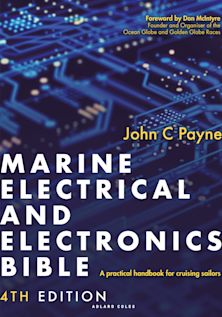
If you are headed somewhere remote consider the need to expand your knowledge base or have an information resource on board. Why not get a copy of my book The Marine and Electrical and Electronics Bible 4th Edition. By and for yachties, with everything from batteries and charging, solar and wind, diesel engines and marine electronics and so much more. Your complete systems guide. 650 pages of practical advice. In Australia and New Zealand order a copy through Boat Books. UK and European boats can buy the UK Edition Here. US and Canadian boats can get the US Edition Order Here. Marine systems are my profession so let me help you. By a liveaboard boat owner for other boat owners

Luderitz Sailing Guide Namibia
- Marine Services
Marine services are minimal. Small workshops provide basic mechanical and fabrication support, but facilities are oriented toward local fishing vessels rather than yachts. There is no haul‑out capability for larger yachts, and technical repairs requiring specialist equipment must be routed to Walvis Bay or Cape Town. Contractors are available for minor work, but capacity is limited.
Luderitz Sailing Guide Namibia
- Local Customs
Local customs are straightforward, with a practical, work‑focused environment shaped by the town’s fishing and commercial activity. Movements ashore are uncomplicated, and interactions with authorities follow a clear procedural structure. The town operates on predictable working hours, and yacht crews are processed efficiently.
Luderitz Sailing Guide Namibia
- Summary
Lüderitz is a small, functional harbour offering secure anchorage, basic provisioning and straightforward clearance for yachts operating along the Namibian coast. It is not a full‑service port and does not replace Walvis Bay or Cape Town as primary support points, but it provides a stable, predictable stop for vessels requiring a short pause, minor resupply or a weather window. Its infrastructure and administrative clarity make it a useful secondary node in the southwest African coastal chain. Luderitz Sailing Guide Namibia for all you need to know.