Lucinda Sailing and Cruising Guide
Lucinda Sailing and Cruising Guide. Lucinda sits at the southern entrance to the Hinchinbrook Channel and functions as the primary coastal staging point for yachts moving between Townsville, Cardwell, and the offshore Palm Island group. The town is defined by the long sugar jetty that stretches more than five kilometres into the Coral Sea, a structure that shapes both the visual identity of the coastline and the navigation patterns for vessels approaching from offshore. For skippers, Lucinda is not a destination in the recreational sense but a practical, dependable stop: a place to anchor securely, refuel, access basic supplies, and make the short road transfer into Ingham for full provisioning. Its value lies in its simplicity and reliability, giving crews a clean operational base before committing to the tide‑driven transit through the Hinchinbrook Channel or heading north toward Mission Beach and Dunk Island.
Most yachts treat Lucinda as a functional waypoint rather than a long‑stay anchorage. The shelter in the lee of the sugar jetty is workable in settled weather, and the depth remains consistent close to the structure, allowing skippers to anchor with confidence even when the tidal stream is running hard. Dinghy access is straightforward via the public ramp and small‑vessel facilities, though crews remain mindful of the turbulence around the jetty pylons. The town itself is quiet, with limited services, but its proximity to Ingham gives it operational weight far beyond what its size suggests. Lucinda is where crews reset: fuel, water, ice, basic groceries, and a reliable landing point before moving deeper into the region.
Lucinda Sailing and Cruising Guide - Approach
Approaching Lucinda from offshore is uncomplicated in good visibility, with the sugar jetty acting as a dominant landmark visible from many miles out. The water remains deep close to the structure, but the tidal flow is strong and can create swirling eddies, especially on the ebb. Skippers give the pylons generous clearance and avoid passing too close to the jetty’s mid‑sections where turbulence is most pronounced. Approaches from the south are clean, with wide water and predictable depth, while approaches from the north require more attention due to the shallow banks and mangrove margins near the entrance to the Hinchinbrook Channel.
The southern entrance to the Channel lies just inside Lucinda and is entirely tide‑dependent. Depth varies across the banks, and visibility is essential for reading the colour changes that mark the deeper gutters. Wind often funnels along the coast, and when it opposes the tide the chop becomes short and uncomfortable, particularly for smaller yachts or those towing tenders. Most crews time their arrival or departure to coincide with slack water or the early stages of the flood, reducing fuel burn and improving comfort. Navigation is straightforward for skippers who respect the tidal dynamics and avoid pushing through in poor light or strong wind‑against‑tide conditions.
Lucinda Sailing and Cruising Guide - Anchorages
Lucinda has no marina, but the anchorage in the lee of the sugar jetty is widely used and well understood by coastal skippers. Holding is generally good in sand and mud, though the strong tidal stream requires careful scope planning and awareness of swing room. The anchorage is functional rather than scenic, but it provides the stability and access needed for provisioning runs and Channel staging. Dinghy operations are simple via the public ramp, though crews avoid lingering near the jetty pylons due to turbulence and the occasional presence of crocodiles moving through the area.
The anchorage is best used during neaps or moderate tides, as spring tides can produce significant flow that complicates dinghy handling. Most crews anchor, complete their provisioning or fuel runs, and move on with the next tide window. Lucinda is not a place where yachts typically stay for extended periods, but it serves its operational purpose cleanly and predictably.
Lucinda Sailing and Cruising Guide – Notes
Tidal flow is the defining feature of Lucinda, shaping anchoring, dinghy operations, and timing for entering or exiting the Hinchinbrook Channel. Crocodiles are common in the surrounding waterways, so dinghy crews avoid mangrove edges and low‑visibility water. The sugar jetty creates turbulence and eddies, especially on the ebb, and skippers give it generous clearance when manoeuvring. Fishing is productive around the drop‑offs and pressure lines, with mackerel, trevally, and queenfish common on tide changes. Lucinda works best as a staging point: arrive, reset, provision, and move on with the tide.
Lucinda Sailing and Cruising Guide - Provisioning
Lucinda offers only basic supplies, with full provisioning handled in nearby Ingham. Most crews anchor at Lucinda, secure the dinghy at the ramp, and make the short road transfer inland.
Local Supplies in Lucinda. Lucinda Point Hotel Store (basic groceries, ice, drinks, snacks). Local seafood outlets (availability varies with catch and season)
Full Provisioning in Ingham. Woolworths Ingham, Coles Ingham, Hinchinbrook Butchery. Trebonne Butchery. BWS Ingham
Ingham Rotary Markets (seasonal produce, local goods). Ingham’s agricultural base ensures consistently high‑quality fruit, vegetables, and meat, making it one of the strongest provisioning stops between Townsville and Innisfail. Crews often stock heavily here before heading back into the Channel or moving offshore.
Lucinda Sailing and Cruising Guide - Marine Services
Marine services in Lucinda are limited but practical. Fuel, water, ice, and basic marine consumables are available locally, with more substantial mechanical and electrical support found in Ingham. The boat ramp is reliable and well‑used, giving dinghy crews easy access to shore. Chandlery is minimal, so skippers requiring specialist parts or repairs typically route to Townsville. Gas refills and general hardware are available locally, but haul‑out and slipway services are not. Lucinda functions as a service node rather than a full marine centre, and crews plan accordingly.
Lucinda Sailing and Cruising Guide – Food
Lucinda’s food options are simple and functional. The Lucinda Point Hotel provides dependable meals and a straightforward place for crews to reset after time in the Channel. Small cafés and takeaway outlets operate seasonally, offering easy meals for crews moving quickly through the area. Most yachts rely on their own stores or make use of Ingham’s stronger food scene during provisioning runs.
Mechanical and Electrical Repairs
Resource
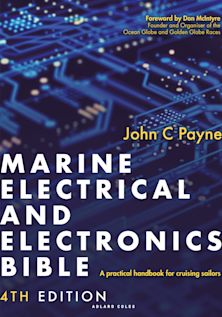
If you are headed somewhere remote consider the need to expand your knowledge base or have an information resource on board. Why not get a copy of my book The Marine and Electrical and Electronics Bible 4th Edition. By and for yachties, with everything from batteries and charging, solar and wind, diesel engines and marine electronics and so much more. Your complete systems guide. 650 pages of practical advice. In Australia and New Zealand order a copy through Boat Books. UK and European boats can buy the UK Edition Here. US and Canadian boats can get the US Edition Order Here. Marine systems are my profession so let me help you. By a liveaboard boat owner for other boat owners

Lucinda Sailing and Cruising Guide - Summary
Lucinda is one of the most practical and quietly welcoming stops on the Queensland coast — a small, friendly town offering calm harbour access, easy provisioning, and a peaceful pause before the wilderness of Hinchinbrook Channel. Its approaches are straightforward, its services reliable, and its atmosphere warm and unhurried. For crews seeking a comfortable, convenient, and scenic mainland stop, Lucinda provides a dependable and memorable foundation. The Lucinda Sailing and Cruising Guide for useful information.