Lockhart River Sailing Guide
Lockhart River Sailing Guide. Lockhart River lies on the western side of Lloyd Bay and serves as a remote resupply point for vessels transiting the Cape York coast. The settlement sits inland, with the marine access point located at Quintell Beach, a wide, shallow, tide‑dominated shoreline with no harbour, no breakwater, and no sheltered anchorage. Visiting yachts anchor offshore in Lloyd Bay and land by dinghy in suitable conditions. The area is exposed to swell, wind, and tidal movement, and operations must be timed carefully.
For yachts moving north toward Portland Roads, Restoration Island, Shelburne Bay, or the Torres Strait, Lockhart River provides the last meaningful opportunity to top up fuel and water before entering some of the most isolated cruising grounds in Australia. For yachts heading south, it is the first point of contact after the long, exposed run from Cape York. Understanding the approach, tidal constraints, and onshore logistics is essential for safe and efficient use of this remote river system.
Lockhart River Sailing Guide - Approaches
Approaches into Lloyd Bay are clear but fully exposed. Depths remain >10–12 m until within 0.5–0.7 NM of the beach, where the seabed shoals gradually to 3–6 m over firm sand. A persistent southeast trade‑wind set of 1–2 kt is common, and the bay develops a long, low swell in fresh trades. Afternoon glare can make depth perception difficult, and the shoreline offers few visual references.
The approach to Lockhart River begins offshore in a region dominated by shallow banks, river outflow, and shifting sandbars. The coastline is low and visually muted, with few reliable landmarks other than the general outline of the headlands and the darker water of the river mouth. The entrance channel is narrow and changes over time, and yachts must rely on updated charts, careful depth monitoring, and good light to enter safely. The river outflow can be strong, especially after rain, and visibility in the water is often reduced by sediment.
In southeasterly trade‑wind conditions, the approach can be uncomfortable, with short, steep chop forming across the shallow perimeter. Northerly systems push swell directly into the entrance, making the bar hazardous or impassable. Entry should be attempted only in settled weather, with rising tide, and ideally in the morning when winds are lighter. The river mouth is not suitable for night entry under any circumstances.
Critical Navigation: Bar, Tides, and
River Conditions
The entrance to Lockhart River is the most challenging aspect of the region. The bar is shallow, mobile, and strongly tide‑affected. A rising tide is essential, and yachts should avoid attempting entry during strong onshore winds or wind‑against‑tide conditions. The river outflow can create turbulence at the bar, and the channel inside the entrance is narrow, with mangrove edges and limited manoeuvring room.
Once inside, the river deepens slightly but remains tide‑dependent. The channel meanders, and the banks dry at low tide. The river is functional but not forgiving, and yachts must maintain slow, controlled speed and remain alert to floating debris, especially after rain. Crocodiles are common throughout the river system, and crews should avoid unnecessary time in the water or close to the mangrove edges.
Lockhart River Sailing Guide - Anchorage
Anchorage is taken offshore in 5–10 m over sand, directly opposite Quintell Beach. Holding is good, but the anchorage is exposed to swell, wind, and tidal movement. Overnighting is possible in calm weather but uncomfortable in trade‑wind conditions. Most vessels anchor only long enough to land for fuel, water, or supplies.
Lockhart River does not offer traditional anchorages. Yachts entering the river typically anchor in the deeper bends where the channel widens slightly and where tidal flow is manageable. Holding is generally good in mud, but swing room is limited, and the river’s narrowness requires precise anchor placement. Most crews treat Lockhart River as a short‑stay operational stop rather than a comfortable anchorage, arriving on a rising tide, completing shore tasks, and departing as soon as conditions allow.
Outside the river, anchoring is not recommended due to exposure, swell, and the lack of protection from trade‑wind conditions. Yachts staging for entry or exit typically use Portland Roads or Restoration Island, both of which offer more predictable shelter. There is no sheltered anchorage anywhere in Lloyd Bay. Portland Roads, 10 NM north, provides a more protected anchorage and is often used as the operational base for Lockhart River runs.
Lockhart River Sailing Guide - Entry
Formalities
Lockhart River is not an Australian port of entry. There are no customs, immigration, or biosecurity facilities anywhere in the region. International yachts must clear at Cairns, Bundaberg, Brisbane, Gladstone, Darwin, or another designated port before entering these waters. Domestic yachts have no entry requirements beyond standard navigation rules.
Lockhart River Sailing Guide - Marina
Facilities
There are no marinas, jetties, pontoons, or berthing facilities. All access is via beach landing at Quintell Beach. Dinghy wheels are essential, and landings must be timed with tide and swell. The beach is steep in places, and soft sand can make hauling difficult.
Shore Access and Logistics
tide‑dependent and can be awkward in strong winds or swell. Dinghy operations require caution due to crocodiles and the soft, muddy shoreline. Once ashore, the community provides limited but valuable services for passing yachts.
The town is several kilometres from the river landing, and transport is essential for accessing supplies. Local operators may offer transfers, but arrangements should be made in advance whenever possible. The community is welcoming but remote, and visiting yachts should arrive with realistic expectations and full respect for local protocols
Lockhart River Sailing Guide - Local
Weather
Lockhart River sits directly in the trade‑wind belt. From May to September, southeast trades of 20–30 kt are common, producing steep chop and long swell across Lloyd Bay. Summer brings lighter winds, afternoon sea breezes, and higher thunderstorm frequency. Cyclone season runs from November to April, and the bay is not a cyclone refuge. Tidal range is moderate, but the long, shallow beach amplifies the effect on dinghy operations.
Lockhart River Sailing Guide - Provisioning
Supermarkets. Lockhart River has one main supermarket, Lockhart River Store, which carries dry goods, packaged foods, frozen items, basic fresh produce, and general household supplies. Stock levels depend on road deliveries from Cairns and can fluctuate, but the store is reliable for core provisioning. Specialty produce is limited, though seasonal tropical fruit from local growers occasionally appears. Crews should not expect the range found in Cooktown or Cairns and should treat Lockhart River as a top‑up stop rather than a full provisioning port.
Markets. There are no formal markets in Lockhart River. Any local produce is sold through the Lockhart River Store or informally within the community. Availability is inconsistent and should not be relied upon for voyage planning.
Fish Markets. There are no fish markets in Lockhart River. Local seafood is not sold commercially. Crews requiring seafood must load in Cooktown or Portland Roads, or catch permitted species in accordance with GBRMPA and Queensland Fisheries regulations.
Lockhart River Sailing Guide - Local
Cuisine
Local cuisine in Lockhart River reflects Cape York’s remote coastal food culture, with simple preparations built around reef fish, mud crab, and tropical ingredients when available. Common regional dishes include grilled or pan‑fried reef fish, barramundi, and mud crab in straightforward steamed or chilli‑based preparations. Tropical flavours such as lime, chilli, and ginger appear in local cooking, and beef from inland stations is used in stews and grilled dishes. The overall style is practical, ingredient‑driven, and shaped by what is available through the community store and local catch.
Lockhart River Sailing Guide - Fuel
Supplies
Fuel is available at the Lockhart River Service Station, located inland from Quintell Beach. Access requires a dinghy landing followed by a short road transfer using jerry cans. Diesel and unleaded are generally reliable due to road supply from Cairns, but availability can be affected by weather or road closures. There is no marine fuel berth.
Lockhart River Sailing Guide - Water
Supplies
Potable water is available from council taps near the community facilities, requiring jerry‑can transport from the beach. Water quality is reliable, but access depends on conditions at the landing site. There is no direct water access for vessels.
Mechanical
and Electrical Repairs Resource
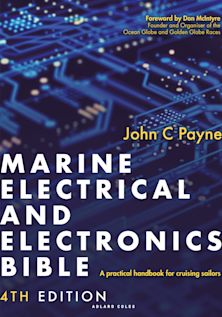
If you are headed somewhere remote consider the need to expand your knowledge base or have an information resource on board. Why not get a copy of my book The Marine and Electrical and Electronics Bible 4th Edition. By and for yachties, with everything from batteries and charging, solar and wind, diesel engines and marine electronics and so much more. Your complete systems guide. 650 pages of practical advice. In Australia and New Zealand order a copy through Boat Books. UK and European boats can buy the UK Edition Here. US and Canadian boats can get the US Edition Order Here. Marine systems are my profession so let me help you. By a liveaboard boat owner for other boat owners

Lockhart River Sailing Guide - Marine
Services
Marine services are extremely limited. Basic mechanical assistance may be available within the community, but there are no dedicated marine trades, haul‑out facilities, or chandlery supplies. All significant repairs must be handled in Cooktown, Cairns, or Thursday Island. Lockhart River should be treated strictly as a remote resupply point, not a service port.
Lockhart River Sailing Guide - Local
Customs
Lockhart River lies within Kuuku Ya’u, Uutaalnganu, and Umpila traditional lands. Respect applies to cultural sites, beaches, and community areas. The coastline is crocodile habitat, and all dinghy operations, swimming, and shoreline activity must be conducted with extreme caution.
Lockhart River Sailing Guide - Summary
Lockhart River is a remote, exposed anchorage used primarily for fuel, water, and provisioning before continuing north along the Cape York coast. Approaches are clear but fully exposed, and anchoring is uncomfortable in trade‑wind conditions. There are no marine facilities, no sheltered anchorage, and no jetties. All operations require careful timing with tide and swell. Lockhart River is a practical but challenging stop and should be approached with conservative planning. Lockhart River sailing Guide for all you need to know.