Lizard Island
Sailing Guide
Lizard Island Sailing Guide. Lizard Island lies 48 NM north of Cooktown and is the most secure and strategically important anchorage between Cooktown and Cape Melville. The island is high, steep‑sided, and surrounded by fringing reef, with Watsons Bay on the western side providing the primary anchorage. The island is exposed to strong southeast trade winds, earning its long‑standing nickname “Blizzard Island,” and conditions outside Watsons Bay can be severe during the trade‑wind season. The island is a key staging point for vessels heading north toward the Flinders Group, Cape Melville, and Princess Charlotte Bay, or east toward the outer reef.
The island’s fringing reef system requires conservative navigation, with shallow coral shelves extending well beyond charted edges in places. Visibility is essential for safe entry into secondary anchorages such as Blue Lagoon, which should only be attempted in good light and settled conditions. The resort and research station occupy the eastern side of the island and have restricted access.
Lizard Island
Sailing Guide - Approaches
The approach begins in the open waters north of the Howick Group, where the sea deepens and the reef systems become more intricate. Lizard Island rises clearly from the horizon, its granite slopes catching the afternoon light and its fringing reef glowing turquoise beneath the surface. Approaches from offshore are clear in settled conditions, with depths generally >20 m until within 0.5–0.7 NM of the island. The western side is the only practical approach for most vessels. A persistent southeast trade‑wind set of 1–2 kt is common, and the island creates a wind shadow that can distort apparent wind angles on final approach.
The fringing reef extends irregularly, particularly on the northern and southern ends of Watsons Bay. The best water follows the central approach line into the bay, with depths shoaling predictably from 20 m to 10 m and then 6–8 m closer in. Afternoon glare can obscure coral heads, and the reef edge is difficult to read in low sun. Approaches to Blue Lagoon require overhead sun and clear water; the pass is narrow, shallow, and not recommended for deeper‑draft vessels.
Lizard Island
Sailing Guide - Anchorage
The most iconic anchorage lies in Watson’s Bay, a broad, gently curving bay on the western side of the island. Watsons Bay provides the primary anchorage in 6–12 m over sand with excellent holding. The bay is well protected from swell but remains breezy in strong southeast trades, with gusts spilling over the island’s ridge. The anchorage is large and can accommodate many vessels, though spacing becomes tighter during peak cruising season. The southern end of the bay offers slightly better shelter from trade‑wind gusts, while the northern end is more exposed to wrap‑around wind.
Blue Lagoon offers a secondary anchorage in 3–6 m over sand and coral, but access is tide‑ and visibility‑dependent, and the lagoon is unsuitable in strong winds or poor light. The eastern and southern sides of the island are fully exposed to Coral Sea swell and are not suitable for anchoring.
Lizard Island
Sailing Guide - Entry Formalities
Lizard Island is not a clearance port. Vessels arriving from overseas must complete Australian Border Force, Immigration, and Biosecurity entry at designated ports such as Cooktown or Cairns before proceeding to the island.
Lizard Island
Sailing Guide - Marina Facilities
There are no marinas, jetties, or berthing facilities for visiting yachts. The resort jetty is private and not available for general use. Dinghy landing is typically done on the beach at Watsons Bay, with care required in swell or strong winds. No haul‑out or repair facilities exist on the island.
Shore Access &
Island Character
Shore access is easy via the long sandy beach at Watson’s Bay, where the water is shallow and clear enough to step ashore comfortably. The island’s walking tracks begin near the research station, leading through granite ridges, across open slopes, and up to the summit of Cook’s Look a vantage point that offers sweeping views across the reef and the Coral Sea.
Lizard Island
Sailing Guide - Local Weather
Lizard Island sits directly in the path of the southeast trade winds. From May to September, trades of 20–30 kt are common, with stronger gusts funnelling over the island’s ridge. The anchorage remains usable in these conditions, but conditions outside Watsons Bay can be rough, with steep seas on the western approach. Summer brings lighter winds, afternoon sea breezes, and higher thunderstorm frequency. Cyclone season runs from November to April, and the island is not a cyclone refuge. Lizard Island is shaped by wind direction. In southeasterlies, Watson’s Bay is calm and reliable. In northerlies, it becomes exposed, and crews must be prepared to move. The fringing reef requires careful navigation, particularly at low tide, and the bommies become more pronounced as the tide falls. The island’s remoteness means that weather changes can be felt quickly, especially when departing toward Cape Melville or the Ribbon Reefs. Despite these considerations, Lizard Island remains one of the most predictable and enjoyable anchorages in the region.
Lizard Island
Sailing Guide - Provisioning
Lizard Island offers limited services for visiting yachts. The resort and research station provide a small human presence, but there is no fuel, no provisioning, and no marine services available to cruising vessels. Yachts must arrive fully stocked and self‑sufficient.
Cooktown to the south and Princess Charlotte Bay to the north are the nearest hubs for fuel and limited supplies, though both require planning and favourable conditions. Most crews treat Lizard Island as a scenic anchorage and a recreational stop rather than a resupply point
Lizard Island
Sailing Guide - Local Cuisine
Local cuisine on Lizard Island reflects the broader Far North Queensland coastal style, with a strong emphasis on reef fish and tropical flavours. Signature regional dishes include grilled coral trout, crispy‑skin barramundi, and Spanish mackerel cutlets, typically paired with lime, ginger, or chilli‑based dressings. Mud crab and tiger prawns appear in steamed, grilled, and curry preparations, while tropical ingredients such as mango, lime, and papaya feature in salads and salsas.
Lizard Island
Sailing Guide - Fuel Supplies
There is no fuel available on Lizard Island. All fuel must be loaded in Cooktown before departure. Jerry‑can transport from Cooktown service stations or wharf delivery is standard practice for yachts staging north.
Lizard Island
Sailing Guide - Water Supplies
There is no potable water available for visiting vessels. Water must be loaded in Cooktown or Cairns before departure. The island’s resort and research station do not supply water to yachts.
Mechanical and Electrical Repairs
Resource
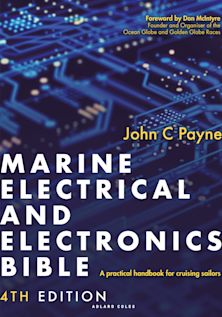
If you are headed somewhere remote consider the need to expand your knowledge base or have an information resource on board. Why not get a copy of my book The Marine and Electrical and Electronics Bible 4th Edition. By and for yachties, with everything from batteries and charging, solar and wind, diesel engines and marine electronics and so much more. Your complete systems guide. 650 pages of practical advice. In Australia and New Zealand order a copy through Boat Books. UK and European boats can buy the UK Edition Here. US and Canadian boats can get the US Edition Order Here. Marine systems are my profession so let me help you. By a liveaboard boat owner for other boat owners

Lizard Island
Sailing Guide - Marine Services
There are no marine services on Lizard Island. No mechanical, electrical, or chandlery support exists. All repairs must be handled in Cooktown or Cairns. Lizard Island should be treated strictly as a remote anchorage and staging point, not a service port.
Lizard Island
Sailing Guide - Local Customs
Lizard Island lies within Dingaal traditional lands. Respect applies to cultural sites, including the summit area and the stone arrangements associated with traditional navigation and ceremony. The island is part of the Great Barrier Reef Marine Park, and zoning rules apply to anchoring, fishing, and access. Dinghy operations must avoid coral areas, and beach landings should be made with care.
Lizard Island
Sailing Guide - Summary
Lizard Island is the most secure anchorage between Cooktown and Cape Melville, with Watsons Bay providing excellent holding and reliable shelter from swell. Approaches are straightforward in good visibility but require attention to fringing reef and trade‑wind set. The island has no provisioning, fuel, water, or marine services, and all supplies must be loaded in Cooktown. Lizard Island is a key staging point for vessels heading north into remote waters and remains one of the most important anchorages on the northern GBR. The Lizard Island Sailing Guide is here to help you.