Kemaman Sailing
Guide Malaysia
Kemaman Sailing Guide Malaysia. Kemaman is a river port on the east coast of Peninsular Malaysia. The coastline is influenced by monsoon seasons and river systems. Yachts access the town via the Kemaman River entrance and anchor inside the river or berth at small‑craft pontoons when available.
The region has industrial zones, coastal villages and commercial services. Kemaman has supermarkets, markets, fish vendors, fuel stations and repair workshops. Road links connect Kemaman to Kuantan, Dungun and Kuala Terengganu
Kemaman Sailing
Guide Malaysia - Approaches
Approaches to Kemaman use the Kemaman River entrance. Depths offshore are 10–20 m. Depths reduce toward the river mouth. Sandbars shift seasonally. The entrance channel has 2–4 m depending on recent sediment movement. The channel is affected by river outflow after heavy rain. Local fishing vessels operate near the entrance. Marker buoys may be moved by local operators. Swell enters during the northeast monsoon. Visibility varies with haze. Yachts must maintain a clear track when approaching the river entrance.
Kemaman Sailing
Guide Malaysia - Navigation
The Kemaman River entrance is tide‑dependent. Depths vary with sediment movement and river outflow. Tidal streams set strongly across the entrance. Streams reach 2–3 kn during spring tides. Streams affect vessel alignment when entering the river. The river channel has bends with reduced visibility. Local fishing vessels operate near the banks. Nets and marker floats are common. Radar returns are affected by industrial structures and riverbank buildings. AIS targets are limited among small vessels. Visibility reduces during haze events. Visibility can fall to 1–2 NM. Yachts must maintain a safe track inside the river channel when navigating to the anchorage.
Kemaman Sailing
Guide Malaysia - Anchorage
Anchoring is possible inside the Kemaman River in settled conditions. Depths are 3–6 m. Holding is in mud. Local fishing vessels operate near anchored yachts. Anchorage is not recommended near the main channel. Anchorage outside the river entrance is exposed to swell during the northeast monsoon. Most yachts anchor inside the river or berth at small‑craft pontoons when available.
Kemaman Sailing
Guide Malaysia - Entry Formalities
Kemaman is a domestic arrival point. Full clearance is completed at designated ports such as Kuantan or Kota Kinabalu. Yachts arriving domestically may proceed directly to the river anchorage. Passports, vessel registration and crew list may be requested by local authorities. Firearms must be declared and secured. Drones may require declaration. Starlink terminals may be carried in Malaysia. Local authorities may request intended vessel movements. Clearance procedures follow Malaysian Marine Department regulations.
Kemaman Sailing
Guide Malaysia - Berthing
Facilities
Kemaman does not have a dedicated yacht marina. Yachts berth at small‑craft pontoons when available. Depths vary with tide. Depths are 2–4 m depending on position. Shore power may be limited. Potable water is available at selected points. Fuel is obtained by jerry can from nearby fuel stations. Waste disposal is available. No haul‑out facilities operate in Kemaman. Haul‑out facilities operate in Kuantan and Johor Bahru.
Kemaman Sailing
Guide Malaysia - Local Weather
The northeast monsoon from November to March brings heavy rainfall, strong onshore winds and swell. The southwest monsoon from May to September brings calmer seas and lower rainfall. Squalls occur year‑round. Visibility reduces during haze events. Visibility can fall to 1–2 NM. River levels rise after heavy rain. River currents increase during spring tides.
Kemaman Sailing
Guide Malaysia - Provisioning
Supermarkets. Supermarket provisioning is available at Lotus’s Kemaman. The outlet stocks packaged foods, rice, noodles, cooking oils, fruit, vegetables, poultry, beef and frozen seafood. Supermarket provisioning is also available at Mydin Chukai, which carries fresh produce, dry goods, frozen foods and household supplies. Additional provisioning is available at TF Value‑Mart Chukai, which stocks imported items, dairy, cereals and general groceries.
Markets. Fresh produce is available at Pasar Besar Chukai. Fresh produce is available at Pasar Malam Chukai. Both markets receive vegetables, herbs, fruit, chillies, limes, ginger, galangal and lemongrass from local agricultural districts.
Fish Markets. Fish is landed and sold at the Kemaman Fisheries Complex. Species include mackerel, trevally, snapper and squid. Additional seafood is sold by small coastal vendors along the river and shoreline.
Kemaman Sailing
Guide Malaysia - Local Cuisine
Keropok lekor is a fish‑based snack made from fish and sago. The dish uses local fish species and deep frying. Nasi dagang Terengganu is rice steamed with coconut milk and served with fish curry. The dish uses long‑grain rice and preserved vegetables. Ikan singgang is a clear fish broth with turmeric and souring agents. The broth uses minimal spices and fresh herbs. Sotong celup tepung is squid coated in batter and fried. The dish uses fresh squid and seasoned flour. Ikan bakar Kemaman is grilled fish served with sambal. The dish uses charcoal grilling and local fish species. These dishes show the use of seafood, coconut milk, herbs and fermented ingredients in Terengganu cooking.
Kemaman Sailing
Guide Malaysia - Fuel Supplies
Fuel is available at roadside stations in Kemaman and Chukai, with jerry‑can transport required for yachts at anchor. Diesel quality is generally reliable. These arrangements form the basis of Kemaman fuel and water supplies.
Kemaman Sailing
Guide Malaysia - Water Supplies
Potable water is available at municipal taps in Kemaman. Quality is generally reliable, though many yachts use filtration or onboard treatment systems. Water must be transported by jerry can.
Mechanical and Electrical Repairs
Resource
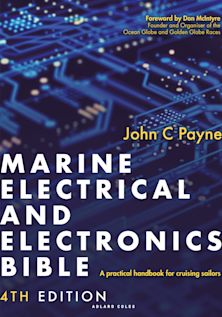
If you are headed somewhere remote consider the need to expand your knowledge base or have an information resource on board. Why not get a copy of my book The Marine and Electrical and Electronics Bible 4th Edition. By and for yachties, with everything from batteries and charging, solar and wind, diesel engines and marine electronics and so much more. Your complete systems guide. 650 pages of practical advice. In Australia and New Zealand order a copy through Boat Books. UK and European boats can buy the UK Edition Here. US and Canadian boats can get the US Edition Order Here. Marine systems are my profession so let me help you. By a liveaboard boat owner for other boat owners

Kemaman Sailing
Guide Malaysia - Marine Services
Marine services are limited. Basic mechanical and electrical assistance may be available through local workshops, but haul‑out facilities are not present. Major work is typically carried out in Kuantan or Johor Bahru. These limitations define the scope of Kemaman marine services.
Kemaman Sailing
Guide Malaysia - Local Customs
Terengganu follows conservative Muslim norms. Modest dress is expected in public areas. Alcohol is restricted and sold only in limited outlets. Photography of government facilities is restricted. Friday midday prayers affect business hours. During Ramadan, eating and drinking in public during daylight hours should be avoided.
Kemaman Sailing
Guide Malaysia - Summary
Kemaman is a river port on the east coast of Peninsular Malaysia with river access, anchorage and limited small‑craft berthing. The region has coastal settlements, industrial zones and commercial services linked to the east‑coast transport network. Yachts use the river anchorage and small‑craft pontoons for access to the town. The location is a lower‑cost alternative to larger regional ports. The Kemaman Sailing Guide Malaysia for all you need to know.