Kagoshima Sailing Guide for
Yachts
Kagoshima sailing guide for yachts. Kagoshima sits deep inside Kinko Bay on Kyushu’s southern coast, framed by the active Sakurajima volcano and protected by a long, narrow entrance channel. For yachts arriving from the Pacific side or rounding Kyushu, this Kagoshima sailing guide for yachts provides a clear operational overview of approaches, berthing, depths, and harbour behaviour. The bay’s enclosed geography creates consistently calm water, even when offshore conditions are unsettled.
As a port of entry, Kagoshima follows Japan’s standard clearance sequence and maintains predictable expectations for vessel movement. Berthing is assigned, anchoring is restricted, and navigation must remain steady and compliant with local traffic patterns. Provisioning is excellent, marine services are reliable, and the harbour’s sheltered layout makes Kagoshima a dependable base for yachts moving between Kyushu, Yakushima, Tanegashima, and the Ōsumi Islands.
Kagoshima Sailing Guide
for Yachts - Approaches
Safe yacht approaches to Kagoshima Japan begin outside Kinko Bay, where offshore depths sit in the 60–120 m range. As you enter the bay mouth, depths shoal gradually into 40–60 m, then into 20–30 m along the central axis of the bay. The final approach toward Kagoshima Port carries 10–18 m, with no unmarked hazards.
The only significant factor is volcanic ash fallout from Sakurajima, which can reduce visibility and leave residue on decks. Traffic includes ferries, fast catamarans, and coastal freighters following fixed tracks. AIS is strongly recommended for all yachts entering Kagoshima harbour.
A daylight arrival is preferred due to traffic density and the visual complexity created by the volcano and surrounding hills.
Kagoshima Sailing Guide
for Yachts - Anchorage
Anchoring is not permitted for visiting yachts within the main harbour. General depths in the inner bay range 12–20 m, but seabed infrastructure and traffic separation zones make anchoring unsuitable. All yachts proceed directly to assigned berths.
Kagoshima Sailing Guide
for Yachts - Entry Formalities
Advance Notice: Japanese officials expect accurate pre‑arrival details — ETA, vessel particulars, last port, and crew numbers. Consistency between your notice and your actual arrival makes clearance smoother. Documentation: Keep passports, crew list, ship’s papers, last‑port clearance, and any quarantine forms ready in a clean folder. Offering documents proactively speeds the process. Make multiple copies of everything and have them ready. Make lists of spare parts, provisions and so on. Vessel Presentation: A tidy, accessible vessel creates a strong first impression. Clear access, an uncluttered deck, and organised paperwork reduce the depth of inspection. Communication & Behaviour: Officials value calm, polite interaction. Speak slowly, avoid interrupting, and use low voices and simple greetings. Patience is expected, officers work methodically. Agency Procedures: Immigration, Customs, and Quarantine may board together or separately. Expect passport checks, verification of crew lists, and basic questions about voyage history. Making Clearance Easy: Preparation, tidy spaces, consistent paperwork, and respectful communication make Japanese clearance fast and predictable.
Quarantine Requirements: Fruit & Vegetables On Board. Japan enforces strict plant‑quarantine laws, and fresh fruits, vegetables, seeds, and plant products cannot be brought into the country without a valid phytosanitary certificate issued by the exporting nation. All plant items must be declared and inspected by the Plant Quarantine Service on arrival. Items without certification are confiscated immediately, and undeclared produce can trigger severe penalties, including fines or prosecution. Crews should ensure all fresh produce is either consumed before arrival or supported by proper documentation. Keeping stores clearly separated, labelled, and ready for inspection makes clearance faster and avoids delays.
Kagoshima Sailing Guide
for Yachts - Marina Facilities
Visiting yachts berth at Kagoshima Kōtsu Port Marina, located inside a protected basin with depths of 3–5 m at the pontoons. The approach channel carries 7–10 m, widening into the inner basin. The marina provides floating pontoons, shore power, potable water, and secure access.
Larger yachts may be directed to commercial quays with alongside depths of 7–9 m. Movement between berths requires approval due to ferry operations and port‑controlled traffic patterns.
Fuel for yachts in Kagoshima is obtained at commercial fuel wharves with depths of 6–8 m. There is no yacht‑specific fuel pontoon. Haul‑out capacity exists for small to mid‑size yachts; larger vessels may need to route to Fukuoka or Okinawa for major work.
Kagoshima Sailing Guide
for Yachts - Local Weather
Kagoshima’s enclosed bay provides calm water year‑round, making it one of Kyushu’s most predictable harbours for cruising yachts.
Spring brings moderate winds and good visibility. Summer is dominated by humid southerlies, baiu rains, and typhoon exposure offshore, though the bay remains sheltered. Autumn is settled with clear air and light northerlies. Winter brings N–NW winds and occasional ash‑related haze from Sakurajima.
Tidal streams inside the bay are weak, generally below 0.5 knots. These patterns form the basis of Kagoshima sailing conditions for yachts transiting southern Kyushu.
Kagoshima Sailing Guide
for Yachts - Provisioning
Supermarkets. Kagoshima’s provisioning is centred around the main city. Aeon Kagoshima is the primary full‑stock option with reliable fresh produce, dairy, frozen goods, and a stable imported‑goods section. YouMe Town Kagoshima carries dependable Japanese staples with consistent turnover and is useful for topping up fresh items. Co‑op Kagoshima provides steady availability of produce and packaged goods. MaxValu stores are suitable for quick replenishment of fresh items. Convenience stores cover only last‑minute essentials.
Markets. Kagoshima Central Market supplies high‑turnover vegetables, fruit, tofu, and pickled goods with reliable freshness. It is the most efficient stop for bulk fresh produce. The Tenmonkan Arcade area contains small greengrocers and specialty shops selling dried goods, seaweed, miso, noodles, and condiments, useful for topping up specific items or sourcing staples not found in supermarkets.
Fish Markets. The Kagoshima Fish Market handles daily landings of mackerel, amberjack, squid, cuttlefish, and seasonal pelagic species, with vendors selling in quantities suitable for yacht crews. Processed seafood, fillets, dried fish, and prepared items is widely available. Smaller fish stalls in the Tenmonkan area provide a compact but reliable selection for topping up without visiting the main market.
Kagoshima Sailing Guide
for Yachts - Local Cuisine
Kurobuta pork is the region’s signature ingredient, appearing in shabu‑shabu, braises, and cutlets. Satsuma‑age (fried fish cakes) are widely available and ideal for onboard meals. Local fish, mackerel, amberjack, squid, and seasonal species dominate markets. Sweet potatoes and shōchū (distilled spirit) are regional staples. Castella‑style sponge cakes and citrus products are common in shops and markets.
Kagoshima Sailing Guide
for Yachts - Fuel Supplies
Diesel is obtained at commercial wharves with alongside depths of 6–8 m. Access must be coordinated due to ferry and cargo traffic. Fuel is dispensed by hose from fixed pumps. Petrol must be purchased ashore in approved containers.
Kagoshima Sailing Guide
for Yachts - Water Supplies
Potable water is available at marina pontoons with stable pressure.
Mechanical and Electrical Repairs
Resource
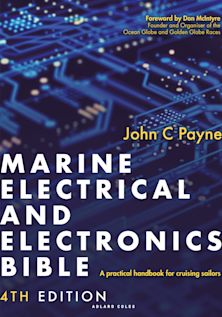
If you are headed somewhere remote consider the need to expand your knowledge base or have an information resource on board. Why not get a copy of my book The Marine and Electrical and Electronics Bible 4th Edition. By and for yachties, with everything from batteries and charging, solar and wind, diesel engines and marine electronics and so much more. Your complete systems guide. 650 pages of practical advice. In Australia and New Zealand order a copy through Boat Books. UK and European boats can buy the UK Edition Here. US and Canadian boats can get the US Edition Order Here. Marine systems are my profession so let me help you. By a liveaboard boat owner for other boat owners

Kagoshima Sailing Guide
for Yachts - Marine Services
Kagoshima offers reliable marine capability for routine work. Local contractors handle diesel servicing, electrical work, batteries, plumbing, and general mechanical tasks. Specialist support (Volvo Penta, Yanmar, Raymarine, Garmin, Furuno) is available in Fukuoka or Okinawa, with parts typically shipped in.
Haul‑out capacity exists for small to mid‑size yachts; larger vessels may require routing to major yards elsewhere in Japan.
Kagoshima Sailing Guide
for Yachts - Local Customs
Kagoshima combines standard Japanese etiquette with predictable port procedures. Vessel movement must be steady and compliant with traffic patterns. Photography of port facilities is restricted in some areas, and drone use requires approval.
Officials expect punctuality, accurate paperwork, and concise communication. Documents are handed over with two hands, and a brief bow is standard. Shoes may need to be removed in some offices; wet gear should not be brought indoors. Waste must be sorted correctly, and noise discipline is expected in marina areas.
Kagoshima Sailing Guide
for Yachts - Summary
Kagoshima offers a sheltered, predictable harbour with reliable depths, strong provisioning, assigned berths, and solid marine services. Fuel and water are straightforward, and the bay remains calm in all conditions. For yachts arriving from the Pacific or moving between Kyushu and the Ōsumi Islands, this Kagoshima sailing guide for yachts provides a clear, dependable operational base with consistent support for cruising vessels. Kagoshima Sailing Guide for Yachts for all you need to know.