Jinhae Sailing
Guide for Yachts
Jinhae Sailing Guide for Yachts. Jinhae sits on the southern coast of South Korea inside Jinhae Bay and forms a large harbour system dominated by Republic of Korea Navy facilities. The coastline is protected by Geoje Island and the Goseong Peninsula which reduces swell and provides a stable approach environment. Depths are consistent across the outer bay with dredged channels leading toward the naval port. This Jinhae sailing guide for yachts sets out the operational details for approaches, restricted zones, alternative berthing, provisioning, and local procedures for skippers entering the region.
Jinhae is a restricted naval harbour with no commercial usage and access is strictly controlled by the Republic of Korea Navy. Civilian yachts do not enter the naval port. Visiting yachts use alternative civilian harbours in the Jinhae Bay system including Masan and Geoje which provide full access to berths, fuel, and water. Once berthed in a civilian harbour the town of Jinhae is reached by road for provisioning and services.
Jinhae Sailing
Guide for Yachts - Approaches
Approaches to Jinhae Bay from the Korea Strait carry 20 to 40 metres offshore and shoal gradually toward the bay entrance. The outer bay carries 10 to 20 metres with stable depths across the central axis. The inner approaches toward the naval port are dredged to accommodate naval vessels with drafts up to 7.9 metres . Civilian vessels remain outside the restricted zone and follow the marked traffic separation patterns toward Masan or Geoje.
Traffic consists of naval vessels, auxiliary craft, and controlled movements within the restricted port. Civilian traffic is concentrated in the outer bay and in the approaches to Masan and Geoje. AIS improves situational awareness across the bay.
Jinhae Sailing
Guide for Yachts - Restricted Zones
The naval port at Jinhae is a controlled military facility with no civilian access. The Republic of Korea Navy enforces strict exclusion zones around the port and its piers. Civilian yachts remain outside the restricted perimeter and do not attempt entry. Patrol craft monitor vessel movements and expect compliance with designated routes.
Jinhae Sailing
Guide for Yachts - Alternative Berthing
Masan Harbour. Primary civilian harbour for yachts approaching Jinhae Bay. Approach depths are 8 to 12 metres. Inner harbour carries 4 to 7 metres. Berths are available at marinas and commercial wharves with clear access and predictable traffic.
Geoje Island Harbours. Multiple civilian harbours around Geoje Island provide berths for yachts. Approach depths are 10 to 20 metres depending on location. Inner basins carry 4 to 7 metres with stable conditions. These harbours provide full access to fuel, water, and shore services. Road access to Jinhae is straightforward.
Jinhae Sailing
Guide for Yachts - Anchorage
Anchoring inside Jinhae Bay is limited due to traffic patterns and naval restrictions. Suitable anchorages exist outside the restricted zone in 10 to 20 metres over mud. Most yachts proceed directly to civilian harbours.
Jinhae Sailing
Guide for Yachts - Entry Formalities
Jinhae is not a port of entry. Yachts arriving from overseas complete Quarantine, Customs, Immigration, and Port Authority procedures at Busan or other designated ports. Movement into Jinhae Bay is unrestricted but entry into the naval port is prohibited.
Jinhae Sailing
Guide for Yachts - Local Weather
Jinhae Bay experiences a
sheltered southern coast climate with moderate seasonal variation. Tidal
streams are weak across the bay and rarely exceed 1 knot.
- Spring brings stable winds and clear visibility.
- Summer brings humid conditions and occasional typhoons.
- Autumn is settled with light winds.
- Winter brings northerly winds and cooler temperatures.
Jinhae Sailing
Guide for Yachts - Provisioning
Provisioning is centred on Jinhae town and the wider Changwon urban area with reliable sources across the commercial districts.
Supermarkets. Large supermarkets in Jinhae and Changwon carry vegetables, fruit, meat, seafood, dairy, frozen food, noodles, sauces, dry goods, snacks, bakery items, and household supplies. Convenience stores including CU, GS25, and 7 Eleven are located throughout the town and carry packaged meals, drinks, snacks, bread, milk, eggs, and basic dry goods.
Markets. Jinhae markets offer vegetables, fruit, tofu, pickled goods, dried goods, and seasonal produce. Small greengrocers across the area carry daily staples.
Fish Markets. Jinhae fish markets and coastal vendors sell fresh fish, shellfish, and seasonal local catch. Turnover reflects daily landings from the wider Changwon and Geoje fishing grounds.
Jinhae Sailing Guide for Yachts - Fuel Supplies
Fuel for yachts is obtained at civilian harbours in Masan or Geoje. Alongside depths are 5 to 7 metres. Fuel is dispensed by hose from fixed pumps. Petrol is purchased ashore in approved containers.
Jinhae Sailing
Guide for Yachts - Water Supplies
Potable water is available at marinas and commercial wharves in Masan and Geoje. Some pontoons provide direct hose connections depending on berth allocation
Mechanical
and Electrical Repairs Resource
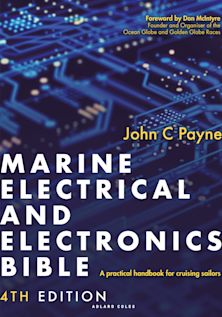
If you are headed somewhere remote consider the need to expand your knowledge base or have an information resource on board. Why not get a copy of my book The Marine and Electrical and Electronics Bible 4th Edition. By and for yachties, with everything from batteries and charging, solar and wind, diesel engines and marine electronics and so much more. Your complete systems guide. 650 pages of practical advice. In Australia and New Zealand order a copy through Boat Books. UK and European boats can buy the UK Edition Here. US and Canadian boats can get the US Edition Order Here. Marine systems are my profession so let me help you. By a liveaboard boat owner for other boat owners

Jinhae Sailing
Guide for Yachts - Marine Services
Marine services including mechanical, electrical, and chandlery support are available in Masan and Geoje. More extensive services including haul out facilities are located in Busan.
Jinhae Sailing Guide for Yachts - Local Cuisine
Local cuisine reflects southern Korean coastal ingredients with a focus on fish, shellfish, seaweed, and rice dishes. Grilled mackerel is common in small eateries and uses locally landed fish. Hoe is served as raw sliced fish with dipping sauces and reflects seasonal landings. Jinhae style seafood stews use mixed shellfish, vegetables, and chili based broths. Local bakeries produce milk bread and sweet buns that form part of everyday provisioning.
Jinhae Sailing
Guide for Yachts - Local Customs
South Korea port culture and etiquette. South Korean ports operate with a fast, confident rhythm shaped by hierarchy, direct communication, and a strong sense of practical efficiency. Whether you’re entering a fishing harbour in Jeju, a marina in Tongyeong, or a commercial quay in Busan, the working culture is built around speed, clarity, and respect for authority. Crews who arrive prepared, communicate decisively, and adapt quickly to instructions will find South Korean ports straightforward and cooperative. I have worked for several years in the major Korean shipyards and lived there. I have also spent many months at sea with Korea seafarers. This encapsulates these learnings and if followed will enrich your experience. Read more here at South Korean Port Culture and Etiquette.
Jinhae Sailing
Guide for Yachts - Summary
Jinhae is a restricted naval harbour with no civilian yacht access. Approaches to Jinhae Bay are straightforward with stable depths and predictable traffic. Visiting yachts berth at civilian harbours in Masan or Geoje which provide full access to fuel, water, and provisioning. This Jinhae sailing guide for yachts provides the operational detail required for safe movement within the southern Korean coastline. Jinhae Sailing Guide for Yachts for all you need to know.