Hayman Island Sailing Guide
Hayman Island Sailing Guide. Hayman Island forms the northern boundary of the Whitsunday Group, with steep ridges, deep bays and strong tidal flow around its headlands. For a yacht, Hayman is defined by exposure, wind acceleration and limited but high‑quality anchorages on its western and northwestern sides. The eastern side is dominated by the resort and is not used by passing yachts. The operational value lies in the deep, steep‑sided bays on the western flank and the sand‑spit system at Langford Island to the northwest.
The underwater profile drops rapidly from the shoreline, with coral tongues, rubble fans and sand pockets forming the only workable anchoring opportunities. The northern and eastern sides are fully exposed to the trades and are not used as anchorages. The island’s height produces strong wind acceleration zones, especially in SE–E trades. Depths drop quickly around the island, with 20–40 m common within a short distance of shore. The shelves are narrow, and the fringing reef rises abruptly. The anchorages reward daylight approaches, conservative angles, and careful depth management.
Hayman Island
Sailing Guide - Approaches
Approaches from the south via Hook Passage are clear in depths above 20–30 m, with strong tidal flow but reliable charting. Approaches from the north require giving Dolphin Point and the northern headland a wide berth due to wind acceleration and rebound seas, with depths generally above 25–40 m until closing the island.
Approaches from the west and southwest are the simplest. Offshore water sits in 20–40 m, easing into 12–18 m as you close the island, then flattening into 6–10 m over sand inside the anchoring pockets. The depth gradient is steep but consistent. The fringing reef sits tight to the shoreline and rises abruptly into 2–4 m, with no detached bommies outside the reef edge. The western side is steep‑to, with depths dropping from 20 m to 5–8 m within a short distance of the shoreline. Coral tongues extend further than charted in places, particularly around Blue Pearl Bay and Dolphin Point. All close‑in work is done with overhead sun.
The northern point carries a coral tongue that rises sharply from 12–15 m into 3–4 m and extends farther west than the chart suggests. The southern point behaves similarly but is easier to read. The best approach is from the southwest, where the depth gradient is most predictable and the reef edge is easiest to see.
Wind acceleration is common near the headlands. In SE–E trades, expect strong bullets as you round the northern point. These ease once inside the western bays.
Hayman Island
Sailing Guide – Navigation
Navigation around Hayman Island is straightforward but shaped by steep depth gradients and strong wind acceleration zones. The western side has a clean depth gradient, wide shelves, and minimal coral inside the anchoring areas. The eastern side is steep and fully reef‑edged, with no anchoring potential. The northern and southern points rise abruptly and must be given wide clearance.
The channel between Hayman and Hook Island is deep, with 20–40 m in the centre and a predictable shelf on the Hayman side. Tidal flow is strong and can create short, confused seas in fresh winds. The island offers no hidden shoals or uncharted bommies; all hazards are visible in good light.
Wind acceleration zones exist near both points, especially in SE–E trades. Expect strong bullets when rounding the northern point and moderate compression near the southern point. Once inside the western bays, the wind settles into a predictable pattern.
Inside Hayman
Island Anchorages
Inside the protected western bays, the water remains calm in south‑easterlies, and the anchorages provide reliable shelter. Blue Pearl Bay offers clear water and coral‑fringed slopes, requiring careful anchoring in sand patches. The western anchorage provides deeper, more forgiving holding with fewer coral hazards. The eastern side of the island is exposed and generally unsuitable for anchoring due to fringing reefs and open‑sea fetch.
Hayman Island Anchorage
- Blue Pearl Bay (Northwest)
A deep basin in 8–15 m over sand and rubble, with coral bommies throughout. offering reliable shelter in SE–E trades. The holding is firm, but the depth is greater than most Whitsunday anchorages. The bay is exposed to northerlies and westerlies and becomes uncomfortable quickly. This is a fair‑weather or moderate‑trade anchorage with tight margins. It is one of the most popular snorkelling sites in the Whitsundays and requires careful anchoring in sand only.
Hayman Island Anchorage - Langford Island / Langford Spit (Northwest).
Sand patches in 5–10 m with good holding. Exposed to swell and tidal flow. Not suitable for overnight anchoring in most conditions. Used as a day anchorage or snorkelling stop.
Hayman Island Anchorage
- Dolphin Point Pocket (West)
A small basin in 6–10 m over sand, offering good shelter in SE–E winds but limited room. The fringing reef is close, and the coral tongue on the northern point must be avoided. The anchorage is quiet and predictable in stable weather. This is a small indentation with limited room and a steep drop‑off from 15–20 m to 6–10 m. Coral tongues and rubble dominate. Only used in calm conditions. Not suitable for overnight anchoring in trade‑wind conditions.
Hayman Island Anchorage
- Southwest Pocket
A shallow basin in 5–8 m over sand, workable in moderate trades but more exposed to southerly wrap. The southern point’s reef edge is tight and requires careful positioning. All western anchorages become exposed in W–NW winds and develop movement in N–NE winds. The island has no workable anchorages on the eastern side.
Hayman Island
Sailing Guide - Entry Formalities
Hayman Island is not a clearance port. The resort side is private, and anchoring or landing near the eastern beaches is restricted. Yachts remain on the western side unless holding a confirmed resort booking.
Hayman Island
Sailing Guide - Marina Facilities
There is no public marina. The resort maintains a private jetty and moorings that are not available to passing yachts. All yacht operations are conducted from anchor on the western side.
Hayman Island
Sailing Guide - Local Weather
Hayman Island performs best in the SE–E trade‑wind regime. The western anchorages remain settled in moderate trades, with only minor gusting off the slopes. In 15–20 knots SE, the anchorages stay comfortable, though the gusts become more noticeable. In E–NE winds, the anchorages remain usable but begin to open slightly.
Northerlies introduce movement, especially in Blue Pearl Bay. Westerlies expose all western anchorages and make them unsuitable for overnighting. Southerlies wrap into the southwestern pocket depending on angle and strength; S–SE is workable, S–SW is not. Calm conditions produce a quiet, predictable anchorage with excellent visibility and easy access to the surrounding islands. Northerlies expose the northern and eastern bays and can create short, steep chop that makes the anchorages uncomfortable or untenable. Tidal flow is noticeable around the northern and southern tips of the island, particularly near Dolphin Point and Castle Rock.
Hayman Island
Sailing Guide - Fishing
Fishing around Hayman Island is shaped by deep water, strong tidal flow, and steep reef edges. The northern point holds cod, sweetlip, and small trout, especially on the first of the flood when bait pushes around the corner. The southern point behaves similarly but with more rubble and fewer trout.
The sandy margins inside the anchoring areas produce flathead and grunter, particularly on the last of the ebb when bait concentrates along the sand‑reef interface. The deeper water off the western shelf holds trevally, queenfish, and mackerel when the water is clear and the tide is moving. The shallow reef shelves offer tuskfish and smaller trout in calm conditions, though the reef edge is tight and requires careful dinghy positioning. Ciguatera risk increases with size and species; larger reef predators should be avoided. Most skippers fish from the dinghy, drifting the sand or working the points on the making tide.
Hayman Island
Sailing Guide Provisioning
Supermarkets. None. All provisioning is done at Airlie Beach or more expensively Hamilton Island. Markets. None. Fish Markets. None so catch it yourself!
Hayman Island
Sailing Guide Local Cuisine
The resort offers dining for guests only. No public food service is available to visiting yachts.
Hayman Island
Sailing Guide Fuel and Water
No fuel is available. The nearest fuel is at Hamilton Island or Airlie Beach. No potable water is available for yachts.
Mechanical and Electrical Repairs
Resource
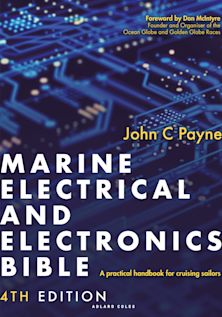
If you are headed somewhere remote consider the need to expand your knowledge base or have an information resource on board. Why not get a copy of my book The Marine and Electrical and Electronics Bible 4th Edition. By and for yachties, with everything from batteries and charging, solar and wind, diesel engines and marine electronics and so much more. Your complete systems guide. 650 pages of practical advice. In Australia and New Zealand order a copy through Boat Books. UK and European boats can buy the UK Edition Here. US and Canadian boats can get the US Edition Order Here. Marine systems are my profession so let me help you. By a liveaboard boat owner for other boat owners

Hayman Island
Sailing Guide Local Customs
The eastern side is private resort property. Yachts do not anchor or land there without prior arrangement. Coral protection rules apply, and anchoring is done strictly on sand patches.
Hayman Island
Sailing Guide Summary
Hayman Island offers limited but high‑quality anchorages on its western side in 5–15 m, with steep drop‑offs to 20–40 m close offshore. Approaches require careful colour‑reading, and the seabed is mixed with coral tongues and rubble. The island offers no public facilities, no marina, no fuel and no water. Shelter is partial and conditional, and the island is exposed to wind acceleration and rebound seas. For a yacht transiting the northern Whitsundays, Hayman Island provides tactical anchorages, excellent snorkelling and reliable pelagic fishing, but remains a self‑reliance destination. The Hayman Island Sailing Guide for all you need to know.