Ginowan Okinawa Sailing Guide - Practical
Cruising
Ginowan Okinawa Sailing Guide. Ginowan is one of the most yacht‑friendly ports in the entire Ryukyu Islands, offering a rare combination of modern marina facilities, sheltered berthing, and easy access to both urban conveniences and Okinawa’s west‑coast cruising grounds. Located just north of Naha, Ginowan serves as a natural base for crews who want the comfort of a well‑equipped marina without the heavy commercial traffic of the prefectural capital. The harbor is purpose‑built for recreational vessels, with floating pontoons, reliable utilities, and a waterfront that blends cafés, shops, walking paths, and green spaces. For many visiting yachts, Ginowan becomes the preferred long‑stay port on Okinawa Island.
The city itself sits at a crossroads between Okinawa’s cultural heritage and its modern identity. From Ginowan, crews can easily explore the historical districts of Shuri and Urasoe, the beaches and coral reefs of the west coast, and the island’s extensive network of parks, markets, and coastal attractions. The marina is adjacent to U.S. military zones, which shape local navigation and airspace patterns, but the boating environment remains calm, friendly, and straightforward. While Ginowan is not a luxury marina in the Mediterranean sense, it excels as a well‑equipped, all‑weather, cruiser‑friendly hub, a place where yachts can safely berth, refuel, repair, and prepare for voyages deeper into the Ryukyu chain.
Ginowan Okinawa Sailing Guide - Approach
& Navigation
The entrance channel is wide, clearly marked, and dredged to predictable depths suitable for yachts of all sizes. Strong breakwaters protect the harbor from swell, and the approach remains manageable even in moderate weather. Traffic consists mainly of recreational boats, fishing vessels, and occasional training craft from nearby facilities. Night entry is feasible thanks to clear lighting and well‑defined markers, though crews should remain alert for small fishing boats operating close to shore.
U.S. military zones lie nearby, and Notices to Mariners should be checked regularly. These zones rarely affect marina access, but temporary restrictions can occur. Coral hazards are common along Okinawa’s west coast, but the Ginowan approach itself is free of coral heads, making it one of the safest and simplest entries in the region.
Ginowan Okinawa Sailing Guide - Berthing
& Shelter
Ginowan Marina offers some of the best yacht‑specific berthing in the Ryukyus. Floating pontoons with finger berths provide secure mooring for a wide range of vessel sizes, and the inner basin is well protected from all directions. The marina’s layout allows for easy maneuvering, even for larger monohulls and catamarans.
Shelter is excellent year‑round, and the marina has established protocols for typhoon season. While no marina in Okinawa is completely immune to typhoon impacts, Ginowan is considered one of the safest options due to its protected basin, strong infrastructure, and experienced staff. Anchoring outside the marina is limited and generally not recommended except for short daytime stops; holding is fair in sand but exposed to swell and traffic.
For long‑term stays, Ginowan is one of the most comfortable and reliable berths in Okinawa, offering a calmer alternative to Naha while still providing excellent access to services.
Ginowan Okinawa Sailing Guide – Weather
Okinawa’s subtropical climate shapes the cruising season and requires attention to seasonal patterns. Spring brings warm temperatures and occasional frontal systems, while summer is hot, humid, and generally calm, though typhoon risk increases significantly from June through October. Autumn is widely considered the best cruising season, with clear skies, stable winds, and excellent visibility. Winter remains mild, though strong northerlies can create choppy conditions along the west coast. Typhoon season demands careful planning. Ginowan’s sheltered basin and established protocols make it one of the safest marinas in the region, but crews should still secure vessels thoroughly and monitor forecasts closely.
Ginowan Okinawa Sailing Guide - Provisioning
Ginowan is a convenient provisioning stop for yachts moving between Naha and the northern capes. The city blends suburban Okinawan life with a strong food culture shaped by local farms, coastal fisheries, and a dense network of independent shops.
Supermarkets: The Happy More Market in Shimashi is one of Ginowan’s most distinctive provisioning stops, operating as a farm‑direct supermarket where local growers deliver vegetables, fruit, herbs, and prepared foods daily. It is known for its colorful displays of Okinawan produce, homemade pickles, and ready‑to‑eat dishes, and it maintains steady hours from 10:00 to 18:00, closing only on Sundays. This is the best place in Ginowan for crews seeking fresh, local, high‑turnover ingredients.
Ginowan also has several independent supermarkets and grocery stores scattered through its neighborhoods. These shops typically carry a reliable mix of vegetables, tofu, noodles, miso, snacks, drinks, and household staples. They are ideal for topping up general provisions or filling gaps after a market run. While they vary in size, most maintain long operating hours and offer a friendly, local atmosphere that makes provisioning straightforward.
Traditional Markets: Ginowan does not have a single large historic market like Naha’s Makishi, but it does have a network of small neighborhood shopping streets where greengrocers, tofu makers, bakeries, and family‑run food shops operate side by side. These traditional commercial strips offer fresh vegetables, fruit, pickles, and daily‑use foods, often sourced from nearby farms. They are particularly useful for crews who prefer to buy small quantities of very fresh produce and enjoy the slower, more personal rhythm of Okinawan neighborhood commerce.
Farmers Markets: The standout farmers’ outlet in Ginowan is appy More Market, which functions as both a supermarket and a farm‑direct collective. Local growers deliver produce throughout the day, and the market is known for its seasonal vegetables, Okinawan fruit, homemade pickles, and prepared foods made from regional ingredients. It is one of the most reliable places in central Okinawa for fresh, local provisioning.
Beyond this, Ginowan’s outskirts host small roadside stalls and farm stands that appear seasonally, especially during peak harvest periods. These stalls typically sell greens, herbs, sweet potatoes, citrus, and other Okinawan staples, and they offer a direct connection to the island’s agricultural culture.
Fish Markets: Ginowan does not have a large central fish market, but it is home to several excellent small fish shops. Stores such as Kuniyoshi Sengyoten and Sasaya are well‑rated seafood shops selling fresh local fish, sashimi, and processed seafood products. These shops specialize in same‑day coastal catch, including tuna, squid, mackerel, and seasonal reef fish, and they often prepare sashimi on request. They are ideal for yacht crews seeking small‑quantity, high‑quality seafood without needing to travel to Naha’s larger markets.
Ginowan Okinawa Sailing Guide – Cuisine
Ginowan is also home to Uogashi no Ginji Uchidomari, a seafood‑focused establishment described as having extremely fresh fish and operating in a fish‑market‑style environment. While it functions partly as a restaurant, it is built around the concept of fresh seafood sourced directly from Okinawan waters, making it a useful stop for crews wanting ready‑to‑eat seafood or high‑quality fish to take aboard.
Ginowan Okinawa Sailing Guide – Fuel,
Water
Fuel is available at or near the marina, with jerry‑can transport being the most common method for visiting yachts. Potable water is available directly at the berths, and the marina’s utilities are reliable and well maintained.
Mechanical and Electrical Repairs
Resource
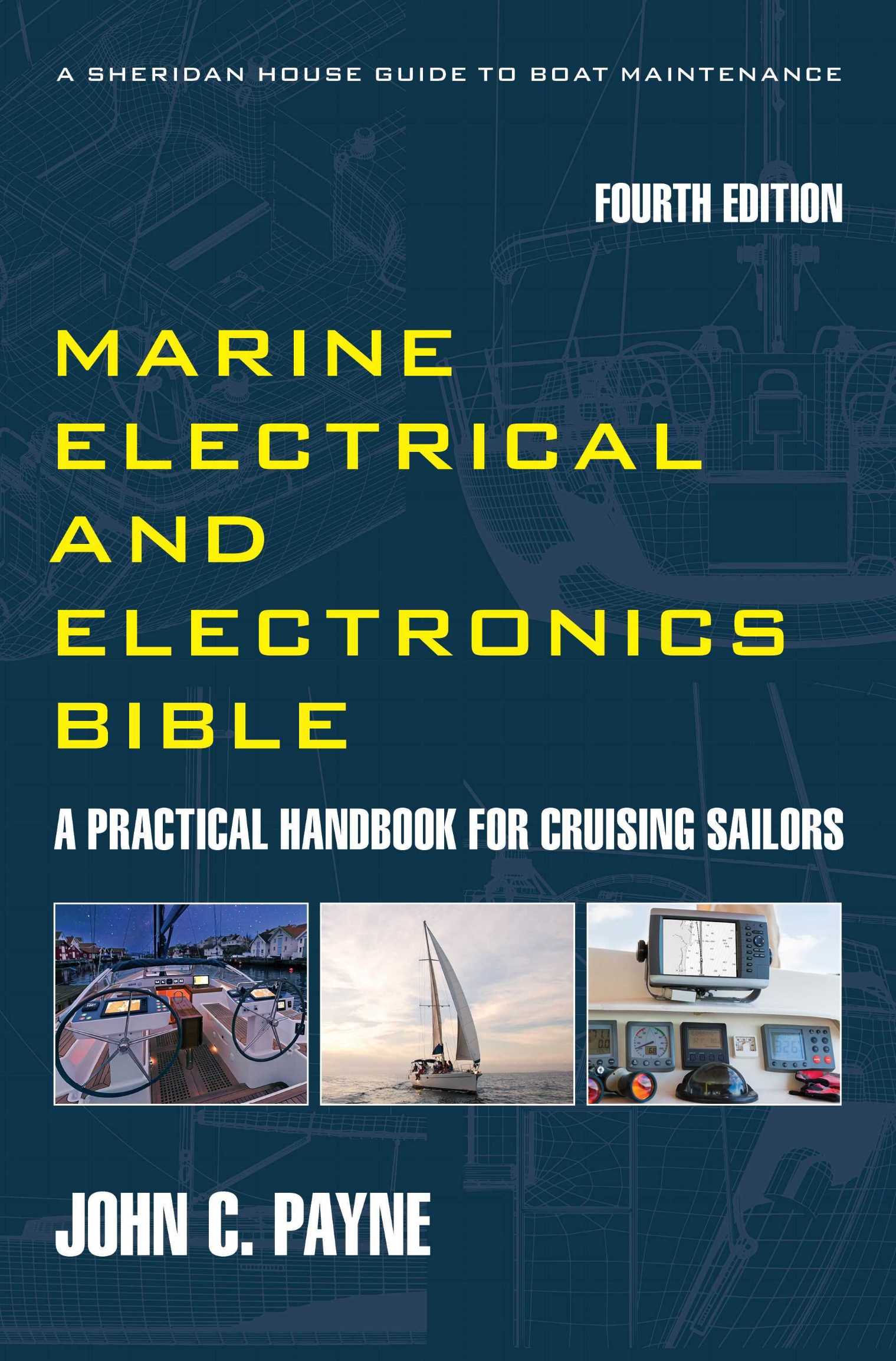
If you are headed somewhere remote consider the need to expand your knowledge base or have an information resource on board. Why not get a copy of my book The Marine and Electrical and Electronics Bible 4th Edition. By and for yachties, with everything from batteries and charging, solar and wind, diesel engines and marine electronics and so much more. Your complete systems guide. 650 pages of practical advice. In Australia and New Zealand order a copy through Boat Books. UK and European boats can buy the UK Edition Here. US and Canadian boats can get the US Edition Order Here. Marine systems are my profession so let me help you. By a liveaboard boat owner for other boat owners

Ginowan Okinawa Sailing Guide – Repairs
& Services
Ginowan is one of the strongest repair hubs in the Ryukyus, making it a preferred base for maintenance and troubleshooting. Mechanical, electrical, and general marine services are available either within the marina complex or nearby. Haul‑out facilities can accommodate small and medium yachts, and local specialists offer support for fiberglass work, engine servicing, electronics, and rigging. Fishing cooperatives and small yards in the surrounding area can assist with minor repairs, and major work can be arranged elsewhere on Okinawa Island if needed. Compared to more remote islands in the Ryukyu chain, Ginowan offers a level of service and convenience that significantly reduces downtime for cruising crews.
Ginowan Okinawa Sailing Guide – Culture
and Etiquette
Ginowan is friendly, relaxed, and accustomed to visiting yachts. Japan’s maritime culture is formal and procedural. Predictable vessel movement is expected; commercial traffic has priority. Officials expect accurate paperwork and concise answers. Documents are handed over with two hands. Noise discipline is strict. Waste must be sorted correctly. Shoes may need to be removed in some offices. Photography of port, naval, or security areas is restricted. Drone use requires approval. Punctuality is essential. Courtesy is expressed through brief bows and polite language. For complete details about cultural norms visit this page Japanese Port Culture and Etiquette
Hello. Japanese has several forms depending on time of day and formality. Konnichiwa is the standard daytime “hello”. ohayō gozaimasu; “good morning” and konbanwa “good evening”.
Thank you. Two main forms, both correct. arigatō is casual and arigatō gozaimasu is polite and standard. For harbours, officials, and shops arigatō gozaimasu is the correct form.
Ginowan Okinawa Sailing Guide – Summary
Ginowan is one of the most cruiser friendly ports in the Ryukyu Islands, offering secure berthing, modern facilities, and excellent access to provisioning, repairs, and nearby cruising grounds. Its sheltered marina, strategic location, and relaxed atmosphere make it an ideal base for exploring Okinawa Island, the Kerama Islands, and the wider Ryukyu chain. For operational reliability, comfort, and convenience, Ginowan stands out as a premier hub in the region. Ginowan offers a relaxed, highly accessible provisioning environment with strong local produce, excellent small fish shops, and one of Okinawa’s best farm‑direct markets in Happy More Market. While it lacks a single large wholesale fish market, its neighborhood seafood shops and easy access to Naha’s Tomari Iyumachi make it a dependable stop for both fresh produce and high‑quality seafood. This is a city where provisioning feels personal, local, and refreshingly uncomplicated. The Ginowan Okinawa Sailing Guide has all you need.