Galle Sri Lanka Cruising
Guide
Galle Sri Lanka cruising guide. Galle is the primary yacht‑entry port for Sri Lanka and functions as a controlled, agent‑managed harbour rather than an open cruising anchorage. All arriving yachts must use the commercial port, follow a fixed movement protocol, and berth in a surge‑affected basin with limited manoeuvring room. The harbour is operationally suitable as a start point for an Indian Ocean crossing, but it is not a recreational marina and all movements are dictated by port control and the clearing agent.
The port provides secure berthing, reliable formalities processing, and access to fuel, water, and provisioning in the adjacent town. Marine services are limited and not suitable for major repairs. Yachts should arrive fully prepared for onward passage planning, using Galle primarily for clearance, top‑up provisioning, and weather routing before departing westbound toward the Maldives or southbound toward the equatorial crossing.
Galle Sri Lanka Cruising
Guide - Approaches
Approaches to Galle are straightforward in deep water, with depths >30 m until close to the harbour entrance. The coastline is free of offshore hazards, but unlit fishing vessels operate throughout the night and must be expected within 5–10 NM of land. Swell from the SW monsoon can wrap into the bay and create a rolling sea state near the entrance.
The harbour entrance is a single breakwater opening with depths of 10–12 m. Surge is common, especially during the Southwest Monsoon (May–September). Tidal range is small (≈0.6 m), and tidal streams are negligible. Port Control requires VHF contact before entry, and yachts must wait for clearance to proceed due to commercial traffic movements.
Galle Sri Lanka Cruising
Guide - Anchorage
There is no anchorage for visiting yachts. The seabed outside the harbour is exposed and unsuitable, and anchoring is prohibited. All yachts must proceed directly into the commercial harbour and berth where directed by the agent and Port Control. Surge affects all berths, and long, well‑protected mooring lines are required.
Galle Sri Lanka Cruising
Guide - Entry Formalities
Sri Lanka requires all yachts to clear in through a licensed agent. Arrival without an agent is not permitted. Clearance includes Immigration, Customs, Port Authority, and the Defence Ministry. Officials board the vessel at the berth. Biosecurity rules apply to fresh produce, meat, and plants. Firearms must be declared and secured. Starlink and other satellite communications equipment must be declared; use is permitted but may be subject to inspection. Drone use is restricted and requires prior approval. Movement outside Galle Harbour is not permitted until clearance is complete. A cruising permit is required for movement to other Sri Lankan ports.
Galle Sri Lanka Cruising
Guide - Marina Facilities
There is no marina. Yachts berth inside the commercial harbour on fixed quays with depths of 4–6 m. Surge is persistent, and fendering must be substantial. No pontoons, fingers, or yacht‑specific facilities exist. No haul‑out or hard‑stand is available. Dinghy use inside the harbour is restricted.
Galle Sri Lanka Cruising
Guide - Local Weather
Weather is governed by the monsoon cycle. Swell from the SW monsoon affects harbour surge and can make berthing uncomfortable.
- Northeast Monsoon (Dec–Mar): Light NE winds, calmer seas, reduced rainfall.
- Southwest Monsoon (May–Sept): Strong SW winds 15–25 kn, heavy swell, and frequent rain.
- Inter‑monsoon periods: Variable winds, thunderstorms, and short‑lived squalls.
Galle Sri Lanka Cruising
Guide - Provisioning
Supermarkets: Galle has multiple supermarkets suitable for yacht provisioning, each with different stock patterns and reliability: Cargills Food City (several branches). Largest and most consistent chain. Reliable dry goods (rice, pasta, noodles, tinned food, sauces, long‑life milk), frozen meat and fish, bakery items, and basic dairy. Keells Supermarket (Galle). Good-quality produce, frozen goods, packaged bread, yoghurt, butter, and basic cheeses. Reliable for packaged staples. Arpico Supercentre (Galle). Broadest range of household goods, cleaning supplies, dry goods, and bulk staples. Limited fresh produce but strong on packaged items. Laughs Supermarket (local chain). Smaller footprint but reliable for dry goods, snacks, and basic frozen items. Local grocery shops (multiple around Galle Fort and the main road). Useful for top‑up items, bottled water, soft drinks, eggs, onions, potatoes, and basic fruit.
Markets. Galle Main Market (central market hall). Primary source of fresh vegetables, fruit, herbs, and spices. Consistent supply year‑round. Vegetable Market Street (cluster of small vendors near the main market). Additional produce, often fresher in early morning. Spice shops (around the market area). Reliable for bulk spices, dried chillies, curry powders, and coconut products. Rice and pulse shops (market perimeter). Bulk rice, lentils, chickpeas, and dried goods suitable for long‑passage provisioning.
Fish Markets: Galle Fish Market (near harbour). Daily landings of tuna, skipjack, trevally, and reef fish. Best selection early morning. Harbour‑side vendors. Small-scale sellers offering by‑catch and smaller pelagic species.
Galle Sri Lanka Cruising
Guide - Local Cuisine
Sri Lankan cuisine is based on rice, coconut, and spices. Common dishes include fish curry, parippu (lentil dhal), pol sambol (coconut sambal), and hoppers (fermented rice pancakes). Ingredients for these dishes are widely available in local markets.
Galle Sri Lanka Cruising
Guide - Fuel Supplies
Diesel is available by tanker truck arranged through the agent. Fuel is dispensed via hose at the berth. Quality is generally reliable. Petrol is available in town but must be transported by jerry can. No fuel dock exists.
Galle Sri Lanka Cruising
Guide - Water Supplies
Potable water is available at the berth via hose connection arranged through the agent. Supply is treated and reliable. Yachts should confirm flow rate and timing with the agent due to port scheduling.
Mechanical
and Electrical Repairs Resource
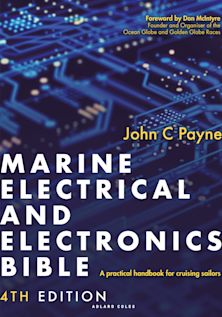
If you are headed somewhere remote consider the need to expand your knowledge base or have an information resource on board. Why not get a copy of my book The Marine and Electrical and Electronics Bible 4th Edition. By and for yachties, with everything from batteries and charging, solar and wind, diesel engines and marine electronics and so much more. Your complete systems guide. 650 pages of practical advice. In Australia and New Zealand order a copy through Boat Books. UK and European boats can buy the UK Edition Here. US and Canadian boats can get the US Edition Order Here. Marine systems are my profession so let me help you. By a liveaboard boat owner for other boat owners

Galle Sri Lanka Cruising
Guide - Marine Services
Marine services are limited. Basic diesel mechanics and general electrical technicians are available in Galle, but no specialist marine electronics, rigging, or sailmaking services exist. No authorised Volvo or Yanmar agents are based in Galle. Colombo has broader industrial capability but remains non‑specialised for yachts.
Galle Sri Lanka Cruising
Guide - Local Customs
Sri Lanka is culturally conservative. Modest dress is expected in town and essential at temples and religious sites. Respectful behaviour is required when photographing people or religious structures. Friday afternoons and religious holidays may affect business hours and formalities.
Galle Sri Lanka Cruising
Guide - Summary
Galle is a controlled commercial harbour offering secure berthing, reliable clearance procedures, and access to fuel, water, and provisioning, making it a functional start point for an Indian Ocean crossing. Surge, mandatory agent procedures, and limited marine services define its operational profile. Yachts should treat Galle as a clearance and staging port rather than a repair or refit location. Galle Sri Lanka Cruising Guide for all you need to know.