Fukuoka Sailing Guide - A Practical Cruising Guide for Yachts
Fukuoka Sailing Guide. Fukuoka sits on the northern coast of Kyushu, facing the Genkai Sea and forming one of the region’s most important maritime gateways. For cruising yachts, it offers a rare combination in Japan: a major urban centre with reliable marina facilities, straightforward approaches, and easy access to provisioning, repairs, and transport. Positioned between the Kanmon Strait to the northeast and the open waters of the Ariake and East China Seas to the south and west, Fukuoka is a natural waypoint for yachts moving between Honshu, Kyushu, Korea, and the wider western Pacific.
The coastline around Fukuoka is shaped by broad bays, sandy beaches, and low headlands that create a sheltered environment inside Hakata Bay. Navigation is predictable, the channels are well‑marked, and the port infrastructure is extensive. For crews seeking a secure berth, a resupply stop, or a staging point for longer passages, Fukuoka is one of the most practical bases in Kyushu.
Fukuoka Sailing Guide -
Navigation
Approaching Fukuoka is straightforward, with wide channels, consistent depths, and clear navigation marks guiding vessels into Hakata Bay. The area sees regular ferry traffic to Korea and nearby islands. AIS is useful for tracking vessel movements and letting them see whoa and where you are. Radar helps in haze or rain bands, which can occur during summer and typhoon season.
From the northeast, yachts arriving from the Kanmon Strait follow a predictable coastal route with minimal swell. From the west, yachts approaching from Karatsu or Iki Island enter Hakata Bay through broad approaches with good visibility. From the south, yachts coming from the Ariake Sea or Nagasaki encounter more open water before turning north toward the sheltered bay.
Inside Hakata Bay, the approaches to Fukuoka’s marinas are simple, with deep water close to shore and well‑maintained port infrastructure.
Fukuoka Sailing Guide -
Berthing and Anchorage
Fukuoka offers some of the best yacht berthing options in Kyushu.
Marinas. Fukuoka City Yacht Harbor (Odo Marina): The primary marina for visiting yachts, offering secure berths, fuel, water, electricity, and repair access. Hakata Port Small‑Craft Facilities: Limited space but suitable for short stays with prior arrangement. These marinas provide reliable shelter and easy access to the city.
Fukuoka Sailing Guide -
Anchorages
Hakata Bay has limited anchoring options due to commercial traffic and depth, but short‑term anchoring may be possible in designated areas with local guidance. For boat preferring to anchor out, nearby coastal bays west of Fukuoka offer more suitable conditions in settled weather.
Fukuoka Sailing Guide -
Entry Protocols
Fukuoka is a designated international port, making it one of the most convenient entry points for yachts arriving from overseas. Immigration, customs, and quarantine procedures are well‑established, and marina staff can assist with coordination.
For yachts already cruising within Japan, Fukuoka functions as a domestic port. Foreign‑flagged vessels using the Naikosen system can move between ports without repeating full customs clearance.
Waste‑sorting rules are strict throughout Fukuoka Prefecture, and crews should follow local requirements.
Fukuoka Sailing Guide -
Local Weather
Fukuoka experiences a mix of sheltered bay conditions and open‑coast influences. Seasonal patterns are predictable:
- Spring: Mild temperatures, light winds, occasional haze.
- Summer: Hot, humid, and occasionally stormy; typhoon season begins.
- Autumn: Clear skies, moderate winds, and excellent cruising conditions.
- Winter: Northerly winds can be strong, especially along the Genkai Sea coast.
Visibility can be reduced in summer due to humidity and haze.
Fukuoka Sailing Guide -
Provisioning
Supermerkets: Fukuoka has full‑service provisioning at Aeon Fukuoka (large-format supermarket with strong produce, meat, bakery, and household goods), Ito Yokado Momochi (reliable fresh vegetables, fruit, meat, prepared foods), YouMe Town Hakata (broad grocery range plus good dry goods and snacks), Sunny Supermarket branches across the city (everyday staples, fresh items, good for quick top‑ups), MaxValu (solid fresh produce and packaged foods), and Costco Fukuoka Hisayama for bulk provisioning of meat, dairy, dry goods, and imported items.
Traditional Markets: Fukuoka’s main fresh‑produce and fish markets are Yanagibashi Rengo Market (compact but dense with seafood, vegetables, fruit, pickles, and prepared foods), Tori‑no‑ichi Market in Hakata for seasonal produce and local specialties, and Kushida Shrine Market for small‑scale fresh items and regional products. These are the most reliable sources for fresh fish, vegetables, and local ingredients.
Farmers Markets. Fukuoka hosts rotating farmers’ markets featuring Kyushu produce such as vegetables, citrus, mushrooms, herbs, and regional specialties. These markets are retail‑friendly and ideal for stocking up on fresh, seasonal items.
Seafood Markets: Nagahama Fish Market, one of Japan’s leading wholesale markets handling around 300 varieties of fish. while the main Nagahama Fish Market is wholesale‑focused, it includes a public retail zone where small shops sell fresh fish, shellfish, dried seafood, and seasonal produce. It’s one of the best places in the city for high‑quality seafood at fair price. Fukuoka is also home to the long‑established Yanagibashi Market, known for its cluster of specialty seafood shops and fresh local produce. Nagahama Market (Public Retail Area)
Fukuoka Sailing Guide - Diesel Fuel Supply
For long‑range cruising, Fukuoka is one of the most convenient refuelling points in northern Kyushu. Odo Marina: Fuel dock and jerry‑can access. Nearby service and gas stations: Easy access for jerry‑can transport.
Fukuoka Sailing Guide - Fresh
Water Supply
Potable water is available at marina berths, with good pressure and reliable quality. Additional taps may be available in small‑craft areas with permission.
Fukuoka Sailing Guide - Mechanical
and Electrical Repairs
Fukuoka offers some of the best yacht repair and service options in Kyushu. Services include mechanical and electrical repairs, fibreglass and hull work, engine servicing, chandlery access and haul‑out facilities (depending on marina and arrangement). For major work, nearby ports such as Kitakyushu and Sasebo offer additional capacity. The nearest official Yanmar marine service point to Fukuoka is Genkai Yanmar Fukuoka East Office, located inside Uminonakamichi Marina in Higashi‑ku, Fukuoka. It is the closest, most convenient option for yacht engine repairs, parts, and diagnostics.
Mechanical and Electrical Repairs
Resource
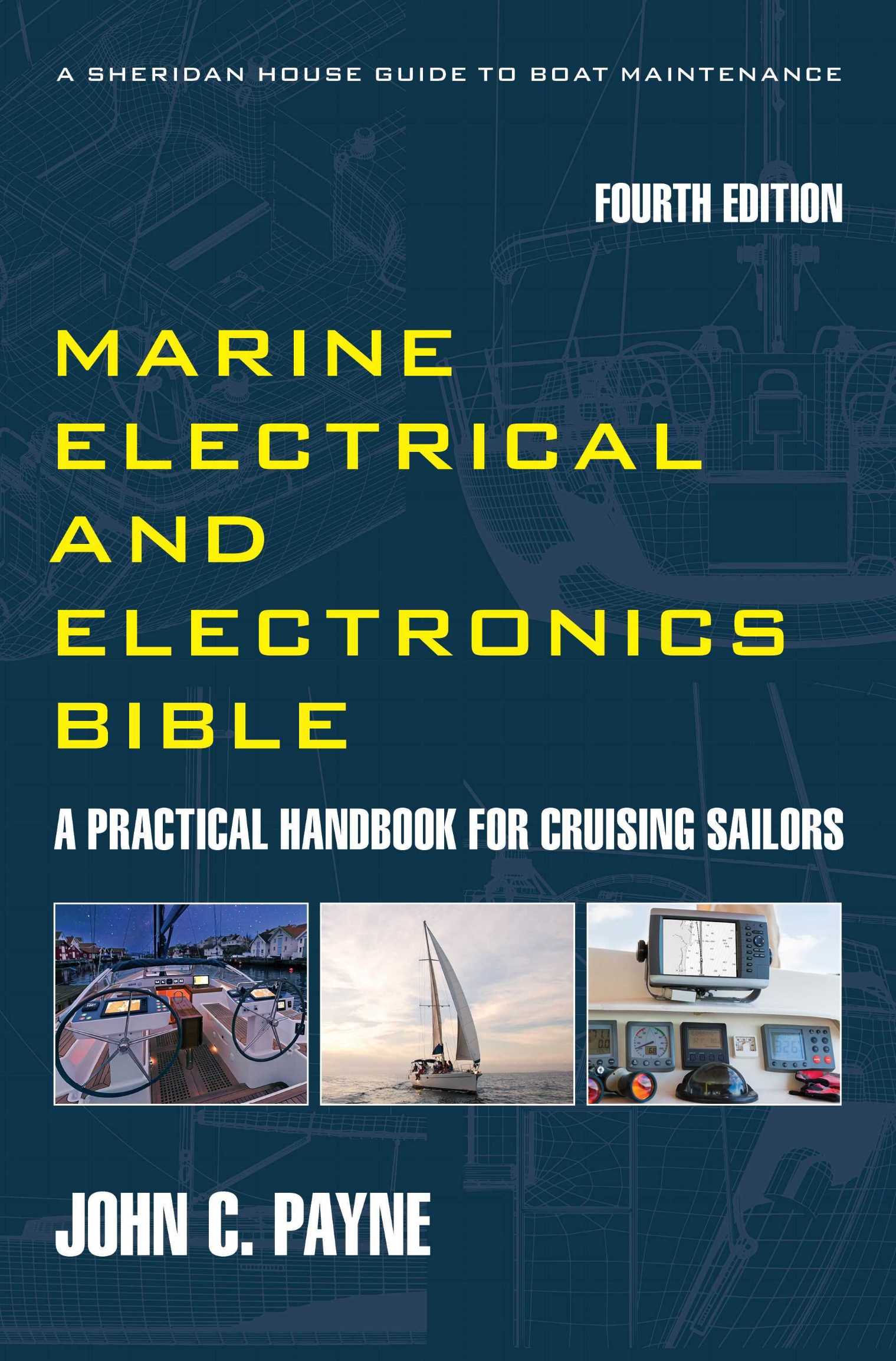
If you are headed somewhere remote consider the need to expand your knowledge base or have an information resource on board. Why not get a copy of my book The Marine and Electrical and Electronics Bible 4th Edition. By and for yachties, with everything from batteries and charging, solar and wind, diesel engines and marine electronics and so much more. Your complete systems guide. 650 pages of practical advice. In Australia and New Zealand order a copy through Boat Books. UK and European boats can buy the UK Edition Here. US and Canadian boats can get the US Edition Order Here. Marine systems are my profession so let me help you. By a liveaboard boat owner for other boat owners

Fukuoka Sailing Guide - Local
Culture
- Keep noise low in marinas and residential areas
- Follow strict waste‑sorting rules
- Respect fishing operations and commercial traffic
- Use polite greetings and show patience during interactions
- Seek permission before photographing people or private property
Fukuoka Sailing Guide - Local
Cuisine
Fukuoka’s cuisine is energetic, comforting, and deeply tied to its coastal identity. The city is the birthplace of tonkotsu ramen, famous for its rich, creamy pork broth and thin noodles. Street‑side yatai stalls serve local favourites like motsunabe, yakitori, and mentaiko, giving the city its lively food‑culture feel. Fresh seafood is everywhere, with standout dishes such as squid sashimi, goma saba (marinated mackerel), and Hakata-style specialties. Fukuoka blends tradition and modern flavour, making it one of Japan’s most satisfying food destinations.
Fukuoka Sailing Guide - Summary
Fukuoka is one of Kyushu’s most practical and yacht‑friendly ports, offering secure berths, excellent provisioning, reliable repair facilities, and straightforward navigation. Its position on the northern coast makes it a natural hub for yachts moving between Honshu, Kyushu, Korea, and the wider western Pacific. Whether used as a staging point or a long‑stay base, Fukuoka provides the operational depth and convenience that make cruising in northern Kyushu both comfortable and rewarding. Fukuoka Sailing Guide offers passage planning help.