Fraser Island East Coast Anchorage Guide
Fraser Island East Coast Anchorage Guide. The east coast of Fraser Island is a completely different environment from the sheltered western side. It is a fully exposed ocean shoreline shaped by long‑period swell, shifting sandbanks and a powerful longshore current that runs predominantly north to south. For a skipper, this is not an anchoring coastline but a hydrodynamic system that influences offshore routing, swell behaviour and the shoals around Sandy Cape and Indian Head. The beach itself is one of the longest uninterrupted sand beaches in the world, and it behaves more like a moving sand conveyor than a stable shoreline. The surf zone is wide, the gutters shift daily, and the sandbanks move with every swell cycle.
Although no safe anchorages exist along this coast, it remains operationally significant. The skipper transiting offshore must understand how the swell wraps around the island, how the longshore drift affects vessel set, and how the shoals at the northern and southern ends behave under different conditions. The east coast is a lee shore in every sense, and the skipper must treat it with respect, maintaining generous sea room and avoiding any temptation to approach the beach. This guide provides the anchorage logic for completeness, even though the coastline offers no workable shelter.
Fraser Island East Coast Anchorage Guide -
Weather and Sea State
The east coast is exposed to the full energy of the Pacific. The dominant force is the south‑easterly trade swell, which runs for most of the year and creates a consistent surf zone with long, rolling sets. Long‑period swell from distant weather systems can arrive even when local winds are calm, and these sets can break far outside the usual surf line. When the swell period exceeds twelve to fourteen seconds, the wave energy reaches further inshore and steepens dramatically over the sandbanks, widening the surf zone and creating unpredictable breakers.
The East Australian Current plays a subtle but important role. As it flows southward offshore, it interacts with the longshore drift and can enhance the north‑to‑south set along the beach. This strengthens the sideways push on a vessel running close to the coast, especially when the swell is from the south‑east. The skipper must always account for this drift, because it can set the vessel toward the beach even when the wind is light.
Northerly winds during seasonal transitions generate a confused sea state, with wind chop running against the longshore current. Cyclonic swell during the wet season can transform the entire coastline into a high‑energy surf zone with sets breaking hundreds of metres offshore. The skipper must always treat the east coast as a dynamic, high‑energy environment where conditions can change rapidly and without warning.
Fraser Island East Coast Anchorage Guide Breaksea Spit – Regional Influence
Breaksea Spit is the vast, shifting sand complex that extends more than thirty nautical miles north‑east from Sandy Cape. It is the dominant hydrodynamic feature shaping the entire northern end of Fraser Island. The spit refracts, bends and breaks swell long before it reaches the cape, and it is the reason the sea state around Sandy Cape often feels disproportionate to the local wind. Long‑period swell hits the spit, slows, steepens and breaks, sending refracted energy toward the cape from multiple angles. This creates the confused, lumpy conditions that skippers encounter even in otherwise calm weather.
The spit is not a single bank but a series of long, shallow sand ridges separated by deeper gutters. Depths across the banks can be as little as two to four metres, while the gutters may drop to ten or twenty metres depending on tide and recent swell cycles. These features shift constantly, and the charted contours are only a broad indication of their general shape. The skipper must never assume the spit is where the chart says it is; it moves with every season.
The longshore current interacts with the spit in a way that amplifies vessel set. As the north‑to‑south drift runs along the east coast, it accelerates when it meets the narrowing gap between the spit and the island. A vessel rounding Sandy Cape too tightly risks being set sideways into the shallow tongues of the spit. This is why generous sea room is not optional; it is the primary safety margin.
Breaksea Spit also influences the transition into Platypus Bay. As the swell wraps around the spit and the cape, the island’s mass blocks the remaining energy, creating the calm, glassy conditions that define the western side. The spit is effectively the outer breakwater for Platypus Bay, absorbing and redirecting swell before it can enter the sheltered waters.
Breaksea Spit – Safe Water and Offshore Line
The safest approach is always to remain in the deeper water outside the visible colour change, where the deeper blue meets the pale green of the shoals. This colour boundary is the most reliable real‑time indicator of safe water, and it moves with tide, swell and season. A vessel approaching from the north‑east must resist the temptation to angle toward Sandy Cape too early. The longshore current and the East Australian Current can combine to set the vessel sideways toward the shoals, even when the wind is light. The skipper holds a deliberate offshore line until the cape is well abaft the beam, only then shaping a course toward the island once the deeper water is assured.
Breaksea Spit – Sea State Over the
Spit
The sea state over the spit is often confused. Long‑period swell slows and steepens as it crosses the shallow banks, breaking in places and refracting in others. This refracted energy then wraps toward Sandy Cape from multiple angles, creating the lumpy, unpredictable conditions that skippers experience when rounding the point. The skipper must anticipate this and maintain positive control, avoiding excessive speed reduction that would allow the vessel to wallow in the confused water.
Breaksea Spit – Gutters and Sand
Ridges
The gutters between the sand ridges can appear inviting, but they are not reliable transit routes. Their depth, shape and position change with every swell cycle, and a gutter that was deep and navigable one month may be shallow or breaking the next. The skipper treats these gutters as features to avoid rather than opportunities to exploit. The safest water is always outside the shoal boundary, where the depth is consistent and the sea state, although lumpy, is predictable.
Breaksea Spit – Current
Interaction and Vessel Set
The longshore drift and the East Australian Current interact with the spit in a way that amplifies vessel set. As the north‑to‑south drift runs along the east coast, it accelerates when it meets the narrowing gap between the spit and the island. This can push a vessel toward the shoals more quickly than expected, especially when the swell is from the south‑east. The skipper must hold a positive angle of approach, steering slightly up‑current to maintain a safe track in deeper water.
Clearing the Spit and Shaping for the Cape
Once the vessel clears the northern end of the spit and shapes a course toward Sandy Cape with adequate sea room, the navigation becomes more straightforward. The swell remains confused until the vessel is well around the cape, but the deeper water provides a stable platform and the risk of being set into the shoals diminishes. The skipper maintains a steady course and speed, allowing the vessel to ride through the refracted swell without over‑correcting. The transition into Platypus Bay is then marked by a noticeable calming of the sea state as the island’s mass blocks the remaining swell energy.
Fraser Island East Coast Anchorage Guide -
Sandy Cape
Sandy Cape marks the northern hinge between the exposed east coast and the sheltered waters of Platypus Bay. It behaves like a hydrodynamic crossroads where swell, current and shifting sandbanks all converge. The skipper approaching from either side must treat the cape with respect, because the conditions here can change quickly and the shoals extend far beyond what the chart suggests. Even in calm weather, the long‑period swell that runs up the east coast continues around the point and steepens over the shallow sand tongues that radiate outward from the cape.
Shoals and Depth
Behaviour
The shoals at Sandy Cape are extensive, mobile and deceptively shallow. Depths across the outer banks vary from two to six metres, with deeper gutters between the sand tongues that can be difficult to identify unless the light is favourable. These banks shift with every swell cycle, and the charted contours represent only the general shape, not the precise location of the shoals. The skipper must give the cape generous sea room, not because the navigation is complex, but because the margin is essential. Cutting the corner risks being set toward the shoals by the longshore current, which accelerates around the point and can push the vessel sideways even when the wind is light.
Fraser Island East Coast Anchorage Guide - Swell and Sea
State
Swell wraps around Sandy Cape from both the east and the west, creating rebound waves and a confused sea state that often feels out of proportion to the prevailing weather. Long‑period swell steepens dramatically over the sand tongues, and the sea state can become lumpy even when the wind is light. A south‑easterly trade wind produces a predictable pattern, with long, rolling sets running cleanly along the east coast before wrapping around the point. A northerly, however, creates a confused, uncomfortable sea state, with wind chop running against the longshore current and rebound waves forming off the shoals.
Longshore Current
and Vessel Set
The longshore current is strongest at Sandy Cape. It runs predominantly north to south along the east coast before bending around the point and dispersing into Platypus Bay. A vessel rounding from the east must anticipate being set toward the shoals, especially when the swell is from the south‑east or east. A vessel rounding from the west must anticipate a slight pull toward the east as the current wraps around the point. The skipper maintains a positive angle of approach, holding a line that keeps the vessel in deeper water and avoids being drawn into the shallows by the combined effect of swell and current.
Fraser Island East Coast Anchorage Guide -
Reading the Water
Visibility of the shoals varies with tide, sun angle and water clarity. In clear conditions, the sand tongues appear as pale, milky patches against the deeper blue water, and the gutters show as darker streaks. In overcast weather or late afternoon light, these distinctions blur, and the skipper must rely more heavily on depth sounder and sea room. The safest line is always outside the visible colour change, where the deeper blue water meets the paler sand‑influenced shallows. This boundary shifts with tide and swell, and the skipper must read it in real time rather than relying solely on the chart.
Fraser Island East Coast Anchorage Guide -
Transition Into Platypus Bay
Once the vessel clears the cape and enters Platypus Bay, the sea state changes noticeably. The swell drops away as the island’s mass blocks the ocean energy, and the water becomes calmer and more predictable. The skipper can then choose a comfortable line southward, using the deeper water offshore or tucking closer to the island depending on wind direction. But the rounding itself demands attention, margin and a clear understanding of how the cape behaves under different conditions.
Fraser Island East Coast Anchorage Guide -
Indian Head
Indian Head is the only major rocky headland on the east coast, interrupting the otherwise continuous sand beach. It creates turbulence, rebound waves and a stronger longshore current. Depths outside the surf zone increase quickly to fifteen to twenty‑five metres, but the swell energy remains high, and the skipper must maintain distance. The headland is a visual reference only; it offers no shelter and no anchorage. The surf zone widens here under long‑period swell, and the skipper must avoid being set toward the rocks by the longshore drift.
Eli Creek, Maheno
Wreck and the Mid‑Coast Beaches
The mid‑coast beaches, including the areas around Eli Creek and the Maheno Wreck, are visually iconic but offer no maritime shelter. The surf zone is wide, the gutters shift daily, and the sandbanks move with every tide and swell cycle. Depths outside the surf zone drop quickly to ten to twenty metres, but the swell remains energetic, and the skipper must maintain a safe offshore distance. These features serve as visual markers for land travellers, not operational points for vessels.
The longshore current is strongest along this section, and a vessel running northbound must account for being set toward the beach, especially when the swell is from the east or south‑east. The skipper transiting offshore treats this entire stretch as a continuous lee shore.
Champagne Pools
and the Northern Beaches
Champagne Pools and the northern beaches are notable for their rugged beauty but are unsuitable for anchoring. The surf zone is particularly energetic here, with sets breaking over shallow rock shelves and sandbanks. Depths outside the surf zone increase rapidly, but the swell remains powerful, and the skipper must maintain distance. The coastline offers no indentation, no natural harbour and no protection from any wind direction.
Hook Point and the
Southern Entrance
Hook Point marks the southern gateway to the island and the transition into the Great Sandy Strait. The shoals here shift constantly, and the surf wraps around the point under most swell directions. Depths vary from two to six metres across the shoals, and the skipper must avoid approaching from the east. There is no anchorage here, and the skipper uses Hook Point only as a transit waypoint when entering or exiting the Strait.
Mechanical
and Electrical Repairs Resource
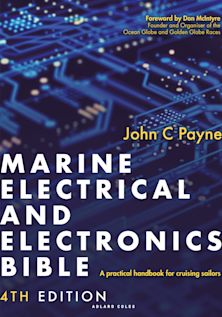
If you are headed somewhere remote consider the need to expand your knowledge base or have an information resource on board. Why not get a copy of my book The Marine and Electrical and Electronics Bible 4th Edition. By and for yachties, with everything from batteries and charging, solar and wind, diesel engines and marine electronics and so much more. Your complete systems guide. 650 pages of practical advice. In Australia and New Zealand order a copy through Boat Books. UK and European boats can buy the UK Edition Here. US and Canadian boats can get the US Edition Order Here. Marine systems are my profession so let me help you. By a liveaboard boat owner for other boat owners

Fraser Island East Coast Anchorage Guide Summary
The east coast of Fraser Island is notable for its scale, exposure and hydrodynamic power, but it offers no safe anchorages. It is a coastline to respect, observe and transit offshore with margin. The skipper uses it as a visual reference and a routing boundary, not as a place to stop. Its significance lies in how it shapes swell, current and shoal behaviour around Breaksea Spit, Sandy Cape, Indian Head and the entrances to the Great Sandy Strait. With this guide, your regional coverage is now complete, giving skippers a full understanding of both sides of the island and the operational logic that governs each. The Fraser Island East Coast Anchorage Guide has useful and practical information.