Frankland Islands Sailing
Guide
Frankland Islands Sailing Guide. The Frankland Islands lie 25 NM southeast of Cairns and form a compact group of low, forested islands surrounded by shallow reef platforms. The group includes Normanby, Russell, Round, High, and Mabel Islands, with Normanby and Russell forming the core of the mooring and day‑use area. The islands sit close to the mainland, exposed to southeast trades and Coral Sea swell, with fringing reef extending irregularly from all sides.
The Franklands are a mooring‑only destination for visiting yachts inside the protected zones. The reef platforms are shallow, with coral heads rising close to the surface, and the lagoon dries in places at low tide. The group is best treated as a day‑use stop in settled weather, with limited overnight suitability.
Frankland Islands Sailing
Guide - Approaches
Approaches from Cairns or Fitzroy Island are straightforward in good visibility, with depths generally >15–20 m until close to the reef edge. The reef platforms extend further than charted in places, and colour change is the primary cue for the boundary. Afternoon glare can obscure coral heads, and the shallowest areas are difficult to read in low sun.
The safest approach is from the northwest, shaping toward the mooring field between Normanby and Russell Islands. Approaches from the south or east require threading between coral patches and should only be attempted in overhead sun and settled conditions. Swell wraps around the islands in fresh southeast trades, creating short chop on the western side.
Frankland Islands Sailing Guide - Moorings & Anchorage
The Franklands are a mooring‑only destination within the protected lagoon area. Public moorings lie west of Normanby Island in 6–12 m over sand and coral rubble. Moorings are suitable for day use and short stays in calm weather. In strong southeast trades, the mooring field becomes uncomfortable, with wrap‑around swell and gusts spilling over the islands.
Anchoring is permitted only outside the designated no‑anchoring zones and well clear of coral. Depths shoal rapidly toward the reef platform, and vessels must avoid drifting eastward toward coral heads. Holding is variable due to coral rubble.
Frankland Islands Sailing
Guide - Entry Formalities
The Frankland Islands lie within the Great Barrier Reef Marine Park. No entry formalities apply for domestic vessels, but anchoring restrictions, mooring rules, and zoning regulations apply. Satellite communications equipment such as Starlink is permitted without local restriction. Fishing is restricted according to zone classification and must be checked before arrival
Frankland Islands Sailing
Guide - Marina Facilities
There are no marinas, jetties, or berthing facilities. Dinghy access is possible to the beach on Normanby Island in calm conditions, but landings must avoid coral and be timed with swell. There are no services, water, or fuel on the islands.
Frankland Islands Sailing
Guide - Local Weather
The Franklands are fully exposed to the southeast trade‑wind regime. From May to September, trades of 20–25 kt are common, producing chop and swell across the mooring field. The islands provide limited shelter, and gusts spill over the low ridges. Summer brings lighter winds, afternoon sea breezes, and higher thunderstorm frequency. Cyclone season runs from November to April, and the Franklands are not a cyclone refuge.
Frankland Islands Sailing
Guide - Provisioning
Supermarkets. There are no provisioning facilities on the Frankland Islands. All supplies must be loaded in Cairns, where supermarkets carry full ranges of dry goods, fresh produce, meat, dairy, and frozen items. The Franklands are strictly a recreational stop with no resupply options.
Markets. There are no markets on the islands. Fresh produce must be sourced in Cairns before departure.
Fish Markets. There are no fish markets on the islands. Seafood must be loaded in Cairns or caught in permitted areas under GBRMPA regulations.
Frankland Islands Sailing
Guide - Local Cuisine
Local cuisine is not applicable on the Franklands, as there are no food outlets or facilities. The regional style reflects the broader Far North Queensland coastal tradition, with seafood‑driven dishes such as grilled coral trout, barramundi, and tiger prawn curries commonly found in Cairns, the staging port for the Franklands.
Frankland Islands Sailing
Guide - Fuel and Water
There is no fuel available on the Frankland Islands. All fuel must be loaded in Cairns before departure. There is no potable water available. Water must be loaded in Cairns.
Mechanical and Electrical Repairs
Resource
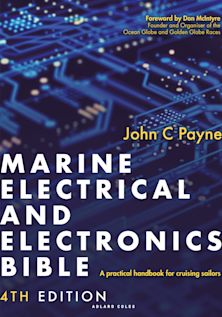
have an information resource on board. Why not get a copy of my book The Marine and Electrical and Electronics Bible 4th Edition. By and for yachties, with everything from batteries and charging, solar and wind, diesel engines and marine electronics and so much more. Your complete systems guide. 650 pages of practical advice. In Australia and New Zealand order a copy through Boat Books. UK and European boats can buy the UK Edition Here. US and Canadian boats can get the US Edition Order Here. Marine systems are my profession so let me help you. By a liveaboard boat owner for other boat owners

Frankland Islands Sailing
Guide - Marine Services
There are no marine services on the Frankland Islands. All repairs, chandlery, and technical support are handled in Cairns. The Franklands should be treated strictly as a recreational mooring stop, not a service port.
Frankland Islands Sailing
Guide - Local Customs
The Frankland Islands lie within the Great Barrier Reef Marine Park and are subject to strict environmental protection rules. Coral areas must be avoided when manoeuvring or using dinghies. The lagoon contains sensitive seagrass and coral habitats, and all operations must minimise disturbance.
Frankland Islands Sailing
Guide - Summary
The Frankland Islands are a mooring‑only, partially sheltered day‑use destination 25 NM from Cairns, offering reliable access in settled weather. Approaches are straightforward in good visibility but require conservative navigation due to fringing reef and coral heads. There are no services, provisioning, or facilities for yachts, and the mooring field becomes uncomfortable in strong southeast trades. The Franklands are best treated as a short‑stay recreational stop within the Cairns offshore cruising area. The Frankland Islands Sailing Guide is here to assist you.