Faroes Yacht Cruising
Guide
Faroes Yacht Cruising Guide. Tórshavn is the Faroes’ only full‑service harbour and the operational start point for yachts crossing the North Atlantic toward Iceland, Scotland or Greenland. The port provides reliable shelter, complete provisioning, fuel, water and predictable harbour management, making it the region’s reset location before committing to longer offshore legs. All movements into and out of the Faroes are planned around Tórshavn’s infrastructure, weather windows across the surrounding channels and the limited facilities available elsewhere in the islands.
The harbour sits inside a protected basin with controlled commercial traffic and dedicated yacht berths, offering stable conditions even during strong southerlies or westerlies. Depths, manoeuvring space and access to services make Tórshavn the only practical point for full preparation, with all other Faroese harbours functioning as short‑stop or weather‑window ports rather than provisioning bases.
Scotland → Tórshavn Routing Logic
Departures from Scotland toward the Faroes are timed between passing lows, using the brief periods of easing westerlies or northwesterlies behind a front before the next southwest system builds. Yachts clear the Scottish mainland or Shetland with a clean gradient and low swell, then shape a northeast to north‑northeast track across the Faroe–Shetland Channel, avoiding wind‑against‑current conditions that produce steep, confused seas.
The crossing is short enough to exploit narrow windows, but gradients tighten quickly in this sector, and conditions deteriorate fast when the next low approaches from the southwest. Fog forms in light‑wind intervals and reduces visibility across the shipping lanes, requiring AIS separation from east–west commercial traffic. Swell from the Atlantic wraps into the channel during strong southerlies, and yachts adjust course to maintain motion comfort and avoid overfalls near headlands.
Landfall selection depends on wind direction and the position of the next system. Approaches via Nólsoyarfjørður or Hestsfjørður are chosen based on the final wind angle, with Nólsoyarfjørður preferred in westerly or northwesterly flow and Hestsfjørður used when the gradient shifts south or southeast. Both approaches offer deep water and predictable marking, and yachts enter Tórshavn directly to secure shelter before the next low arrives.
Faroes Yacht Cruising
Guide - Approaches
Approaches to Tórshavn are straightforward in settled weather, with deep water and no off‑lying hazards on the direct track from the south or east. Depths remain over 30–50 m until close to the harbour, and the entrance channel carries 8–12 m with clear marking and predictable traffic patterns. Strong tidal streams in the surrounding sounds can create overfalls and short‑period seas, particularly in Hestsfjørður and Nólsoyarfjørður, and yachts time arrivals to avoid wind‑against‑tide conditions. Visibility can reduce rapidly in fog, and radar or AIS is used to maintain separation from ferries and commercial vessels.
Faroes Yacht Cruising
Guide - Anchorages
There are no practical anchorages outside Tórshavn due to exposure, steep‑to bathymetry and persistent swell wrapping around the headlands. The harbour basin offers no dedicated anchorage, and all visiting yachts berth alongside pontoons or quays under harbour authority direction. Holding outside the entrance is unsafe and not used for waiting. Yachts arriving early for a weather window proceed directly to an allocated berth.
Faroes Yacht Cruising Guide - Entry Formalities
Tórshavn is the primary port of entry for yachts arriving in the Faroes. Customs and immigration procedures are straightforward, with advance notice recommended for out‑of‑hours arrivals. Once cleared, movements between domestic ports require no additional formalities, though harbour authorities expect notification of arrival and departure. Fishing‑fleet priority applies in all commercial areas, and yachts follow harbour instructions for berthing and movement.
Faroes Yacht Cruising Guide - Hazards
Tidal streams in the surrounding channels create overfalls and short‑period seas during wind‑against‑tide conditions, particularly in narrow sounds. Fog can reduce visibility rapidly, and ferries maintain tight schedules regardless of weather. Swell can wrap around headlands during strong southerlies, though the harbour itself remains protected. Winter conditions bring ice on quays and pontoons, and strong gusts funnel through the town during northerly systems.
Faroes Yacht Cruising Guide - Local Weather
Tórshavn sits in a high‑latitude North Atlantic corridor dominated by passing lows, strong pressure gradients and rapid shifts in wind direction. Prevailing winds are southwest to southeast with frequent gales, short weather windows and fast‑moving fronts that bring abrupt changes in visibility and sea state. Fog forms quickly in stable humid air, especially with light winds after frontal passage, and clears just as rapidly when gradients rebuild. Swell wraps into the surrounding sounds during strong southerlies, while northerly systems produce sharp gusts over the town and steep seas outside the harbour. Conditions change on sub‑hourly timescales, and all movements are planned around short, reliable breaks between lows rather than extended settled periods. Also consider Katabatic winds when anchoring.
Faroes Yacht Cruising
Guide - Marina Facilities
Tórshavn provides dedicated yacht pontoons with reliable depths of 3–5 m, good shelter and straightforward access. Shore power, potable water and waste disposal are available throughout the marina. The harbour area includes showers, laundry, Wi‑Fi and basic chandlery items, with larger technical support available through local marine contractors. Security is consistent, and access to the pontoons is controlled. Commercial traffic is separated from the yacht basin, and wash is minimal
Faroes Yacht Cruising
Guide - Fuel
Marine diesel is available at the harbour fuel berth with clean supply, good access and predictable opening hours. Depths and manoeuvring space allow yachts to refuel directly alongside, and jerry‑can runs are unnecessary. Petrol is available at nearby road stations.
Faroes Yacht Cruising
Guide – Water
Potable water is supplied throughout the marina with good pressure and reliable quality, suitable for full tank fills before onward passages to Iceland or Greenland.
Faroes Yacht Cruising
Guide - Provisioning
Supermarkets. Bónus Tórshavn supplies dry goods, long‑life dairy, cereals, tinned food, oils, sauces and frozen products. Meny Tórshavn provides fresh produce, bakery items, meat, dairy, imported vegetables and frozen goods. FK Havn (Føroya Keypsamtøka). carries dry goods, dairy, bread and packaged foods. All stores are within walking distance of the harbour, and stock levels are stable due to regular ferry supply.
Markets. Tórshavn Local Market operates intermittently with small volumes of local herbs, greens and root vegetables. There is no large municipal market, and all other produce is handled through the supermarket network.
Fish Markets. Fiskivinnuhúsið Fish Counter supplies fresh local catch including cod, haddock, saithe and seasonal species, with frozen products when landings are limited. Meny’s fish counter provides a secondary source with similar availability. Best source for fish before onward passages to Iceland or Greenland. Meny Fish Counter. Secondary fish option with fresh and frozen fish integrated into the supermarket. Good for convenience when provisioning in one stop.
Faroes Yacht Cruising Guide - Local Cuisine
Local cuisine reflects Faroese coastal supply, with cod, haddock, saithe and seasonal species forming the core of fish dishes. Lamb, dairy and root vegetables are sourced from local farms, with imported produce supplementing availability. Meals rely on preserved staples during weather‑affected periods, and supermarkets carry a consistent range of regional products suitable for onboard provisioning. Ræst kjøt is fermented lamb air‑dried in cool winds and cooked by boiling with potatoes and root vegetables. Ræstur fiskur is fermented or semi‑dried cod or haddock boiled and served with potatoes and melted sheep tallow. Skerpikjøt is wind‑dried mutton sliced thin and eaten cold with rye bread and butter. Grind og spik is pilot whale meat and blubber prepared by boiling or served raw in thin cuts depending on availability. Turrur fiskur is fully dried cod or haddock eaten as hard strips with butter or tallow. Lambasúpan is a simple lamb soup using bone cuts, potatoes, carrots and onions. Fiskasúpan is a fish soup made from cod or haddock trimmings with potatoes and light seasoning.
Mechanical
and Electrical Repairs Resource
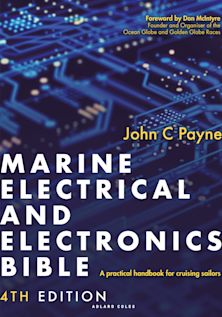
If you are headed somewhere remote consider the need to expand your knowledge base or have an information resource on board. Why not get a copy of my book The Marine and Electrical and Electronics Bible 4th Edition. By and for yachties, with everything from batteries and charging, solar and wind, diesel engines and marine electronics and so much more. Your complete systems guide. 650 pages of practical advice. In Australia and New Zealand order a copy through Boat Books. UK and European boats can buy the UK Edition Here. US and Canadian boats can get the US Edition Order Here. Marine systems are my profession so let me help you. By a liveaboard boat owner for other boat owners

Faroes Yacht Cruising Guide - Summary
Tórshavn is the Faroes’ operational centre and the only harbour offering full provisioning, fuel, water and protected berthing for yachts preparing for North Atlantic passages. All movements across the region are planned around its reliable shelter and infrastructure, making it the natural start point for routes to Iceland, Scotland or Greenland. Faroes Yacht Cruising Guide for all you need to know.