Christmas
Island Cruising Guide
Christmas Island cruising guide. Christmas Island is a high‑sided volcanic island used as an occasional staging point on Indian Ocean crossings, primarily by yachts routing between Cocos (Keeling) and Southeast Asia or Western Australia. The island offers a single small harbour with limited shelter, exposed approaches, and no lagoon or reef‑protected anchorage. All operations are constrained by swell, surge, and the steep drop‑off that surrounds the island.
Facilities are minimal and weather‑dependent. Fuel, water, and provisioning are available but limited by shipping schedules and harbour conditions. Christmas Island is best treated as a diversion or short‑stop port rather than a primary staging point, with yachts arriving self‑sufficient and prepared for delays caused by sea state at the harbour entrance.
Christmas
Island Cruising Guide - Approaches
Christmas Island rises steeply from ocean depths exceeding 2,000 m within 1–2 NM of the coast. Approaches from all quadrants are clear of offshore hazards, but swell from the S–SW wraps around the island and produces persistent surge. The only operational entry is Flying Fish Cove, open to the north, with depths of 20–40 m immediately outside the harbour. The entrance is narrow and subject to surge; conditions must be assessed visually before committing.
Tidal range is small (≈1 m), but surge and reflected swell can exceed tidal influence. No fringing reef protects the approaches. Night entry is not recommended due to unlit shoreline features and the need to assess surge behaviour in daylight.
Christmas
Island Cruising Guide - Anchorage
There is no secure anchorage around the island. The seabed drops steeply, and depths exceed 50 m within a short distance of the shoreline. Yachts do not anchor in Flying Fish Cove; instead, they use moorings when available. Mooring availability varies and may be restricted during commercial operations or adverse sea state. Surge can be significant even in settled weather, and yachts may need to vacate the cove if conditions deteriorate.
Christmas
Island Cruising Guide - Entry Formalities
All arrivals must report to Australian Border Force and Biosecurity. Advance notice is required. Clearance is conducted at Flying Fish Cove, either aboard or ashore depending on conditions. Standard Australian biosecurity rules apply, including restrictions on fresh produce, meat, seeds, and untreated wood. Firearms must be declared. Starlink and other satellite communications equipment are permitted under Australian regulations. Drone use requires approval and may be restricted near sensitive areas.
Christmas
Island Cruising Guide - Marina Facilities
There is no marina. Flying Fish Cove provides moorings only, with no berths or pontoons. Dinghy access is via a small landing area that can be unsafe in surge. No haul‑out, hard‑stand, or repair yard exists. All vessel movements are weather‑dependent.
Christmas
Island Cruising Guide - Local Weather
Weather is influenced by the South‑East Trade Winds for much of the year, with winds typically 15–25 kn. The wet season (November–April) brings lighter winds, squalls, and occasional cyclone risk. Swell from the S–SW is common year‑round and can render Flying Fish Cove untenable. Localised katabatic winds descend from the island’s plateau during squalls.
Christmas
Island Cruising Guide - Provisioning
Not a cheap place to provision as most everything is imported from Australia, and although a jump off point heading south it is best to store up elsewhere.
Supermarkets. Christmas Island Coop Supermarket. The Co‑op is the main general supermarket on Christmas Island and the only outlet with consistent stock turnover tied to the island’s freight schedule. For yachts, it is the single most dependable source of dry goods, frozen items, and limited fresh produce. Reliable availability of staples such as rice, pasta, tinned food, sauces, cereals, long‑life milk, and basic household items. Frozen meat, seafood, vegetables, and bread products are usually available, though selection varies. Fresh fruit and vegetables depend on the weekly or fortnightly freight shipment and may sell out quickly. Stock levels fluctuate significantly based on shipping schedules. Higher than mainland Australia due to freight costs. Located in the main settlement and reachable by taxi or hire car from Flying Fish Cove. Dinghy landing conditions may affect access timing. The Co‑op can support top‑up provisioning for onward passages but cannot be relied upon for full reprovisioning. Yachts should arrive with core staples already onboard and treat the Co‑op as a supplementary supply point for dry goods and frozen items, with opportunistic purchase of fresh produce when available. The Christmas Island Supermarket on Gaze Road is the second key provisioning point on the island. This supermarket is a general retail outlet serving the main settlement area and provides an alternative to the Co‑op. For yachts, it offers a second opportunity to source dry goods, frozen items, and occasional fresh produce, reducing reliance on a single store during freight‑affected periods. Strong representation of Chinese and Southeast Asian ingredients, reflecting local community demand. Located on Gaze Road in the main township. Access from Flying Fish Cove requires a taxi or hire car. Dinghy landing conditions may dictate timing.
Markets. No formal produce markets operate. Limited local produce may be available through small shops.
Fish Markets. No dedicated fish market exists. Local fishers may sell catch informally when available.
Christmas Island Cruising Guide - Local Cuisine
Local cuisine reflects Chinese, Malay, and Australian influences. Common dishes include fried rice, noodle dishes, and simple grilled or fried fish. Supplies for these dishes are generally available in local stores, though selection varies with shipping schedules.
Christmas
Island Cruising Guide - Fuel Supplies
Diesel and petrol are available via the island’s fuel depot. All transfers are by jerry can from shore due to the lack of a fuel dock. Supply reliability depends on tanker schedules and harbour conditions.
Christmas
Island Cruising Guide - Water Supplies
Potable water is available from public taps in the settlement and must be transported by jerry can. Water quality is treated and reliable. No dockside water supply exists.
Mechanical
and Electrical Repairs Resource
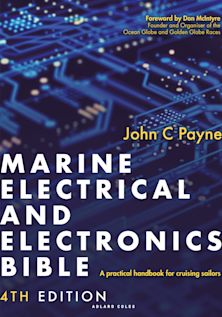
If you are headed somewhere remote consider the need to expand your knowledge base or have an information resource on board. Why not get a copy of my book The Marine and Electrical and Electronics Bible 4th Edition. By and for yachties, with everything from batteries and charging, solar and wind, diesel engines and marine electronics and so much more. Your complete systems guide. 650 pages of practical advice. In Australia and New Zealand order a copy through Boat Books. UK and European boats can buy the UK Edition Here. US and Canadian boats can get the US Edition Order Here. Marine systems are my profession so let me help you. By a liveaboard boat owner for other boat owners. When things go pear shaped out there this can help.

Christmas
Island Cruising Guide - Marine Services
Marine services are extremely limited. No diesel mechanics, riggers, sailmakers, or marine electronics specialists are based on the island. Yachts must be fully self‑sufficient. The nearest full‑service ports are Cocos (Keeling) to the west and Western Australia to the east.
Christmas
Island Cruising Guide - Local Customs
Christmas Island has a mixed cultural community with Chinese, Malay, and Australian influences. Respectful behaviour at temples and community sites is expected. Modest dress is appropriate in public areas. Photography of people should be requested politely. Alcohol is permitted but regulated in certain areas.
Christmas
Island Cruising Guide - Summary
Christmas Island functions as a weather‑dependent stopover with no secure anchorage, no marina, and limited services. Flying Fish Cove provides moorings only, and surge conditions frequently dictate access. Fuel, water, and basic supplies are available but constrained by shipping schedules. The island is best used as a diversion or short operational stop rather than a primary staging point for an Indian Ocean crossing. Christmas Island Cruising Guide for all you need to know.