Cape Melville Sailing Guide
Cape Melville is a high, granite‑boulder headland marking the southern entrance to Princess Charlotte Bay. It is visually dramatic and meteorologically influential: the cape accelerates southeast trade winds, bends sea state, and creates a persistent zone of confused water extending well offshore. For yachts, Cape Melville is a hazard headland, not a destination, and must be rounded with conservative timing.
The surrounding coastline is remote, with no services, no settlements, and no sheltered harbours. The only workable anchorages lie in the lee of the cape or further inside Princess Charlotte Bay, and even these are weather‑dependent. The area is crocodile habitat, and all dinghy operations require caution.
Cape Melville Sailing Guide - Approaches
Approaches from the south (Bathurst Bay / Cooktown side) or north (Flinders Group / Cape Sidmouth side) are clear in offshore depths. The hazard is not navigation but wind acceleration and sea state. As you close Cape Melville, expect the following conditions:
- A strong wind bend around the headland, often 5–10 kt stronger than the prevailing trades.
- Short, steep seas where the accelerated wind meets the residual swell.
- Confused water extending 2–4 NM offshore, especially in ebb tide.
The cape’s granite boulder slopes reflect swell, creating rebound waves that can knock your heading off course. You maintain a wide margin unless conditions are light.
Cape Melville
Sailing Guide - Anchorages
Cape Melville offers two practical anchorage zones:
- Bathurst Bay (south of the cape). Bathurst Bay is the primary anchorage for vessels waiting to round Cape Melville or staging into Princess Charlotte Bay. Depths are 5–10 m over sand and mud. The bay is open to the north and northeast but provides good shelter from the southeast trades. Holding is reliable, though the seabed can be soft in places.
- North side of Cape Melville (rarely used). A small indentation north of the cape offers limited shelter in light conditions only. Depths are 6–12 m over sand patches between coral. This is not a reliable overnight anchorage in trade‑wind conditions and is used only as a tactical pause.
There are no all‑weather anchorages at Cape Melville. All options depend on wind direction and sea state.
Cape Melville Sailing Guide - Marina
Facilities
There are no marinas, jetties, berths, or haul‑out facilities anywhere near Cape Melville. The coastline is wilderness. All access is by dinghy to beaches or mangrove edges, and crocodiles are common.
Cape Melville Sailing
Guide - Local Weather
Princess Charlotte Bay and Cape Melville sit fully inside the southeast trade‑wind belt, and the weather pattern is defined by persistent trades, strong diurnal variation, and the interaction between wind, tide and shallow water. From May to September, the trades dominate, with offshore winds commonly reaching twenty to thirty knots and strengthening around headlands. Cape Melville accelerates the flow, bending the wind and steepening the sea state, and the confused water created by rebound off the granite slopes can extend several miles offshore. Inside Princess Charlotte Bay the sea state is reduced by fetch limits, but the wind remains strong, and the shallow water can produce short, sharp chop on the ebb.
Summer brings lighter winds, higher humidity and monsoonal influence, with thunderstorms forming inland and drifting toward the coast in the afternoon. Heavy rain discolours the water far offshore, alters salinity in the river mouths and can shift the position of channels and bars. The wet season also increases outflow from the Normanby, North Kennedy and Bizant systems, strengthening tidal currents and reducing visibility for eyeball navigation. Cyclone risk is significant from November to April, and neither Cape Melville nor Princess Charlotte Bay should be treated as a cyclone refuge due to shallow depths, storm‑surge exposure and the absence of secure all‑weather anchorages.
Tidal range is large, and the combination of tide and wind defines the practical movement window. The last of the ebb and the first of the flood are the most predictable periods for river‑mouth work, while offshore passages around Cape Melville are safest in early morning before the trades rise. Afternoon glare makes colour‑reading difficult, and all close‑in navigation is done with overhead sun. The region’s weather is reliable in pattern but unforgiving in detail, and conservative timing remains the defining factor in safe movement.
Cape Melville Sailing
Guide - Provisioning
Supermarkets. None. All provisioning must be completed in Cooktown, Cairns, or further south. Markets. None. Fish markets. None. The area is a major fishing ground, but there are no facilities.
Cape Melville Sailing Guide - Local
Fishing
Given my obsession with fishing this is useful to know, and worth taking advantage of. Princess Charlotte Bay and the waters around Cape Melville form one of the most productive inshore fisheries on the Queensland coast. The combination of mangrove estuaries, mudflats, tidal channels, and reef edges produces a wide range of edible species that can reliably supplement a yacht’s stores. The area is remote and lightly pressured, and the fishing reflects that, but it is also crocodile country, so all dinghy operations must be conservative.
Reef edges and rubble patches around Cape Melville and the outer bay hold coral trout, grass emperor, spangled emperor, stripey snapper, Moses perch, tuskfish, and Spanish and grey mackerel. These species sit on hard bottom, bommies, and sand‑to‑reef transitions, and are most active in early morning and late afternoon when wind is lowest. Ciguatera risk is low for small reef fish but increases with size; large coral trout, large emperor, and large cod are avoided.
The mudflats and channel edges of inner Princess Charlotte Bay produce threadfin salmon, blue salmon, grunter, golden trevally, queenfish, and seasonal barramundi. These species feed heavily on tidal changes, with the last of the ebb and the first of the flood producing the most consistent results. Grunter and threadfin are among the best table fish in the bay, with reliable quality and low ciguatera risk.
The mangrove creeks and river mouths of the Normanby, North Kennedy, and Bizant systems hold mud crab, barramundi, mangrove jack, estuary cod, bream, flathead, and whiting. Mud crab is abundant, and barramundi and jack sit tight to structure, drains, and colour changes. These areas require strict caution due to crocodiles, and fish cleaning is never done at the water’s edge.
Offshore pressure points around Cape Melville concentrate pelagics, with Spanish mackerel, grey mackerel, longtail tuna, queenfish, and giant trevally working the tidal lines. Trolling the pressure zone west of the cape at first light is consistently productive.
Ciguatera management is straightforward: small reef fish are low risk, pelagics are safe, and large reef predators are avoided. For a well prepared yacht, this region provides reliable, high‑quality protein across reef, estuary, and pelagic habitats, making it one of the most effective self‑provisioning zones on the Cape York coast.
Cape Melville Sailing Guide - Local
Crabbing
Crabbing in Princess Charlotte Bay is exceptionally productive, with the Normanby, North Kennedy and Bizant systems all supporting strong mud crab populations throughout the year. The creeks and side channels hold crabs on every tide, with the upper reaches and quieter backwaters producing the most consistent results. Pots are set on a rising tide to avoid stranding and are placed in areas where flow slackens enough for crabs to move, such as creek bends, mangrove edges and the mouths of small drains. The mud is soft and deep in many places, and dinghy operations must be conservative, with constant awareness of crocodiles and no time spent idling near mangrove banks. Crabs are generally clean and heavy, with the best quality found in the mid‑bay creeks where salinity remains stable. Handling is straightforward: crabs are kept alive until cooking, and all cleaning is done aboard rather than at the water’s edge. The combination of abundant mud crab, reliable tidal behaviour and low fishing pressure makes Princess Charlotte Bay one of the most effective crabbing grounds on the Cape York coast
Cape Melville Sailing Guide - Local
Cuisine
There is no local cuisine or food service. The region is uninhabited. Food culture aboard reflects what you bring and what you catch, typically reef fish, mackerel, and mud crab, cooked simply. So sashimi is a suggestion, maybe sushi, pan fried fish fillets, and fish cakes, and of course chilli crab or simply fresh cooked, chilled and dip into melted butter with a splash of lime.
Cape Melville Sailing Guide - Fuel and Water
There is no fuel available at Cape Melville. All diesel and petrol must be loaded before departure from Cooktown or Cairns. There is no potable water available. All water must be carried aboard. Make sure your water maker is working well.
Mechanical and Electrical Repairs
Resource
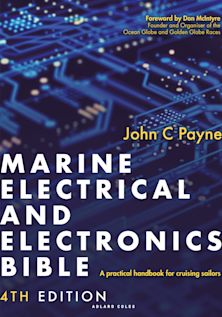
If you are headed somewhere remote consider the need to expand your knowledge base or have an information resource on board. Why not get a copy of my book The Marine and Electrical and Electronics Bible 4th Edition. By and for yachties, with everything from batteries and charging, solar and wind, diesel engines and marine electronics and so much more. Your complete systems guide. 650 pages of practical advice. In Australia and New Zealand order a copy through Boat Books. UK and European boats can buy the UK Edition Here. US and Canadian boats can get the US Edition Order Here. Marine systems are my profession so let me help you. By a liveaboard boat owner for other boat owners.

Cape Melville Sailing Guide - Marine
Services
There are no marine services, no chandlery, and no repair facilities. Cape Melville is a self‑reliance zone. Fix it yourself!
Cape Melville Sailing Guide - Local
Customs
The area lies within Aboriginal traditional lands. Many sites are culturally significant, and access may be restricted. The entire coastline is crocodile habitat; swimming is not advised, and dinghy operations must be conservative.
Cape Melville Sailing Guide - Summary
Cape Melville is a remote, high‑energy headland that demands conservative timing and respect. Approaches are clear in offshore depths, but wind acceleration, rebound seas, and confused water make the rounding operationally serious. Bathurst Bay provides the only reliable anchorage, with limited options elsewhere. There are no services, no provisioning, and no facilities. Cape Melville is a tactical waypoint on the Cape York coast, not a destination. The Cape Melville Sailing Guide for all you need to know.