Tortola Yacht Cruising Guide
Tortola Yacht Cruising Guide. Tortola is the central hub of the British Virgin Islands and the primary point for marina berths, charter bases, fuel, water, and marine services across the territory. Approaches into Road Harbour, Nanny Cay, and the Sir Francis Drake Channel are straightforward in settled conditions, with deep water close to shore and well‑marked channels. The island’s marine infrastructure is concentrated along the southern coast, where sheltered waters and predictable trade‑wind patterns allow reliable access to docks, haul‑out facilities, and technical contractors. Tortola functions as the operational base for most yachts entering the BVI, with the surrounding islands forming a protected cruising ground that radiates outward from the Sir Francis Drake Channel.
Provisioning is strongest in Road Town, where large supermarkets and specialty outlets support both local demand and the charter industry. Weather follows the northeast trades, with 15–22 kn winds and calm conditions inside the channel, while the north shore is exposed to swell during winter systems. Tortola offers the most complete combination of marinas, anchorages, provisioning, and marine services in the BVI, making it the natural starting point for cruising itineraries throughout the territory.
Tortola Yacht
Cruising Guide - Approaches
Approaches to Tortola are clear and visually simple, with deep water close to shore and well‑defined channels leading into Road Harbour, Nanny Cay, and the southern bays. Road Harbour is entered through a wide channel with 10–20 m depths and predictable shoaling to 5–8 m near the inner harbour. Nanny Cay is approached through a dredged channel with reliable depths and clear markers, sheltered from prevailing trades. The Sir Francis Drake Channel provides a protected corridor along the southern coast, with 20–40 m depths and minimal swell, making inter‑island movements straightforward. The north shore requires assessment of sea state during winter swell events, as exposed bays can become uncomfortable or temporarily unsuitable for anchoring.
Tortola Yacht
Cruising Guide - Anchorages
The southern coast offers the most reliable anchorages, with bays such as Soper’s Hole, The Bight, and Trellis Bay providing sheltered conditions in normal trades. Road Harbour has limited anchoring space outside the ferry channel, with 8–12 m depths over sand and dinghy access to the public dock. The Sir Francis Drake Channel provides multiple anchorages with 6–15 m depths over sand and seagrass patches, with good holding and predictable shelter. The north shore offers scenic anchorages in calm weather, but winter swell can make Cane Garden Bay and Brewers Bay uncomfortable. Anchorages across Tortola are supported by moorings in high‑use areas, particularly near charter bases and popular bays.
Tortola Yacht
Cruising Guide - Marinas
Tortola hosts the most extensive marina network in the BVI. Nanny Cay Marina on the southern coast provides sheltered berths, fuel, water, power, Wi‑Fi, haul‑out, mechanical and electrical services, rigging, fiberglass work, and chandlery access, making it the primary technical facility on the island. Road Harbour contains Village Cay Marina and Road Reef Marina, both offering berths with water, power, Wi‑Fi, fuel access, and proximity to provisioning and contractors. Soper’s Hole Marina at the western end provides sheltered berths, water, power, Wi‑Fi, and access to small‑scale marine services, with good protection from prevailing trades. Trellis Bay on the eastern end offers limited dockage and moorings, with small‑scale facilities suitable for short stays. These marinas collectively support the charter industry and provide reliable services for visiting yachts.
Tortola Yacht Cruising Guide - Local Weather
Weather follows the northeast trade‑wind pattern with 15–22 kn winds and calm conditions inside the Sir Francis Drake Channel. The north shore is exposed to winter swell, which can make anchorages uncomfortable or temporarily unusable. The island lies within the hurricane belt, and seasonal monitoring is essential during late summer and autumn. Gusts can accelerate around headlands and through gaps in the terrain during strong trade‑wind events.
Tortola Yacht
Cruising Guide - Provisioning
Supermarkets. RiteWay Food Markets (Road Town, Pasea, Nanny Cay, West End) carry full‑range groceries including fresh produce, meat, dairy, bakery, dry goods, international products, and yacht‑friendly bulk items. OneMart Superstore (Road Town) carries full groceries, fresh produce, meat, dairy, bakery, household goods, and Caribbean staples. Supreme Supermarket (Road Town) carries fresh produce, meat, dairy, dry goods, and everyday staples. Bobby’s Supermarket (Road Town) carries fresh produce, meat, dairy, bakery, and general groceries. Local specialty products across major outlets include Caribbean spices, hot sauces, plantains, yams, local fruit, and regional condiments.
Markets. Road Town Market Square offers local fruit, vegetables, herbs, and small‑scale produce from island growers. Crafts Alive Village (Road Town) includes small vendors selling local goods, fruit, and seasonal produce depending on availability.
Fish Markets. Road Town Fish Market sells locally landed snapper, mahi‑mahi, wahoo, tuna, and seasonal pelagic species. Baughers Bay Fish Vendors offer fresh local catch including snapper, grouper, and mixed reef fish depending on landings.
Tortola Yacht
Cruising Guide - Local Cuisine
Tortola’s cuisine is built around Caribbean staples, local seafood, and slow‑cooked island dishes with strong African and Creole influence. Signature dishes include fungi and fish (cornmeal cooked to a firm polenta‑like consistency served with sautéed or stewed local fish), goat water (goat stew with herbs, onions, and mild spices), fish and fungi (the national dish of the Virgin Islands), and pates (fried pastry pockets filled with beef, saltfish, or spiced vegetables). Saltfish and johnny cakes remain a core breakfast pairing, with salted cod sautéed with onions and peppers alongside fried dough rounds. Conch stew and conch fritters use locally harvested conch in either a tomato‑based stew or a seasoned batter. Roti is widely available, filled with curried chicken, goat, or vegetables. Local sides include plantains, cassava, breadfruit, and callaloo (leafy green stew). Desserts often feature guava, soursop, tamarind, and coconut, with coconut tart and guavaberry liqueur being notable local specialties.
Tortola Yacht
Cruising Guide - Fuel Supplies
Fuel is available at Nanny Cay Marina, Soper’s Hole Marina, and Road Harbour, with reliable diesel and petrol supply. Access is straightforward in settled conditions, and these facilities support both the charter fleet and visiting yachts. Fuel availability is generally consistent, with occasional delays during peak charter turnover.
Tortola Yacht
Cruising Guide - Water Supplies
Water is available at all major marinas, including Nanny Cay, Village Cay, Road Reef, and Soper’s Hole. Yachts at anchor typically collect water by jerry can or arrange dockside fills when berths are available. Watermakers are common among visiting yachts due to the island’s limited rainfall and high demand during peak season.
Mechanical
and Electrical Repairs Resource
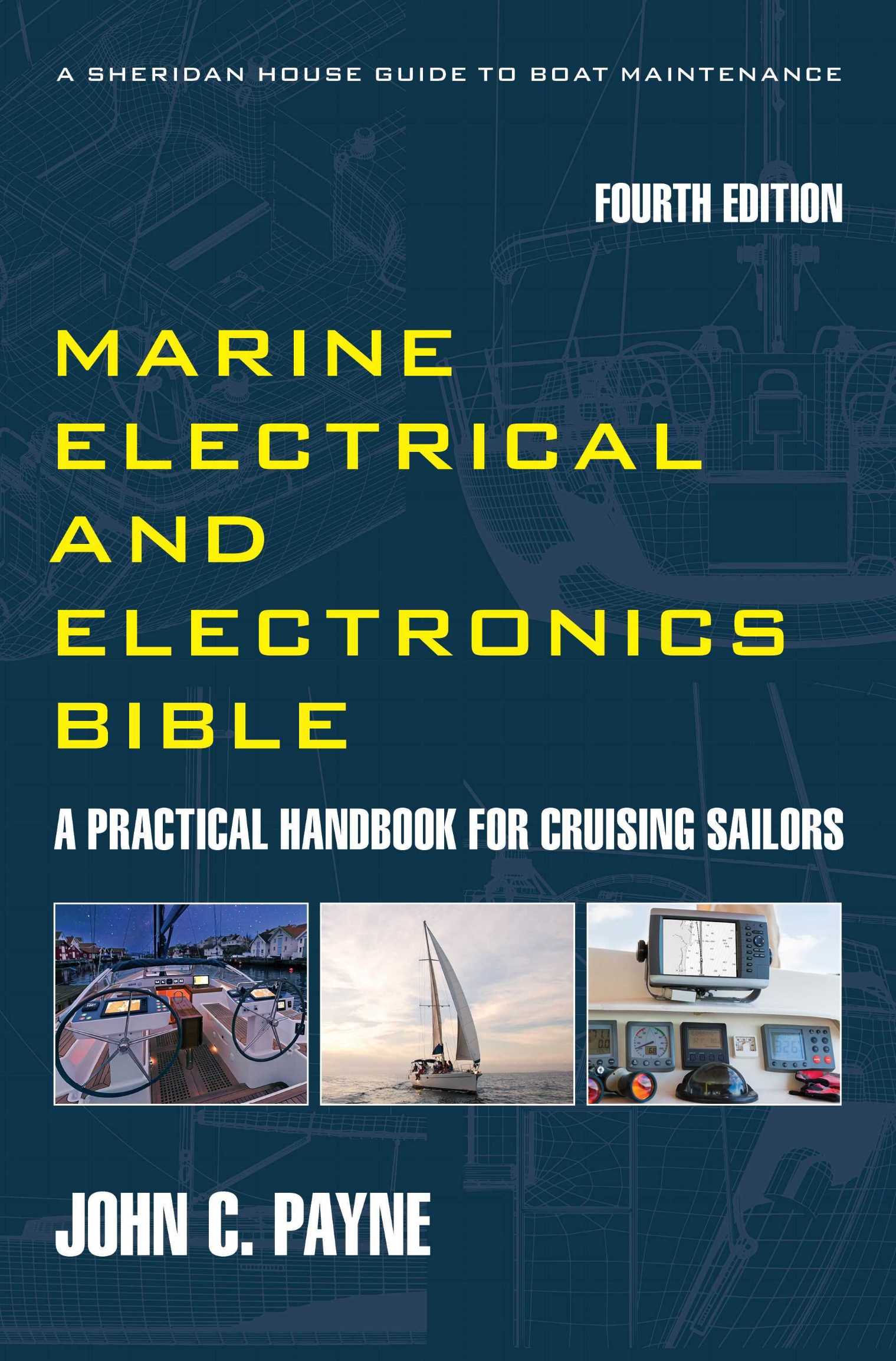
If you are headed somewhere remote consider the need to expand your knowledge base or have an information resource on board. Why not get a copy of my book The Marine and Electrical and Electronics Bible 4th Edition. By and for yachties, with everything from batteries and charging, solar and wind, diesel engines and marine electronics and so much more. Your complete systems guide. 650 pages of practical advice. In Australia and New Zealand order a copy through Boat Books. UK and European boats can buy the UK Edition Here. US and Canadian boats can get the US Edition Order Here. Marine systems are my profession so let me help you. By a liveaboard boat owner for other boat owners

Tortola Yacht
Cruising Guide - Marine
Services
Tortola supports the full range of marine services required by cruising yachts. Nanny Cay provides haul‑out, mechanical, electrical, diesel, rigging, fiberglass, welding, and fabrication services, supported by multiple contractors and a well‑stocked chandlery. Road Harbour offers additional mechanical and electrical support through local workshops. Soper’s Hole provides small‑scale services suitable for minor repairs. The island’s marine industry is geared toward both the charter fleet and private yachts, ensuring reliable access to skilled labour and parts.
Tortola Yacht
Cruising Guide - Local Customs
BVI regulations apply throughout Tortola, including requirements for customs and immigration clearance at designated ports. Anchoring restrictions apply near coral and seagrass zones, and moorings must be used where provided. Dinghy speeds must remain low near marinas, ferry routes, and swimming areas. Waste disposal is controlled, and yachts must use designated facilities.
Tortola Yacht
Cruising Guide - Summary
Tortola is the operational heart of the BVI, offering the most complete combination of marinas, anchorages, provisioning, and marine services in the territory. The island provides straightforward approaches, sheltered cruising inside the Sir Francis Drake Channel, and reliable support for both short‑stay and long‑term cruising plans. It serves as the natural starting point for itineraries across the BVI and remains the primary service and provisioning base for yachts in the region. The Tortola Yacht Cruising Guide for all you need to know.