Tobago Cays Yacht Cruising
Guide
Tobago Cays Yacht Cruising Guide. The Tobago Cays form a cluster of five uninhabited islands; Petit Rameau, Petit Bateau, Baradal, Jamesby, and Petit Tabac, which are surrounded by extensive reefs and shallow banks. The area is designated as a marine park and functions as a protected lagoon anchorage rather than a service destination. Navigation is straightforward in settled trade‑wind conditions, with deep water outside the reef system and predictable shoaling inside the lagoon. The Cays are used primarily as a daytime or overnight anchorage for yachts transiting between Mayreau, Canouan, and Union Island.
The sailing environment is shaped by the northeast trades, typically 15–22 kn, with moderate seas offshore and calmer conditions inside the horseshoe‑shaped reef system. The eastern and southeastern sides of the park are fully exposed to Atlantic swell, with depths dropping rapidly from 30–40 m to 5–10 m over coral shelves. Marine infrastructure is non‑existent, and all provisioning, fuel, and technical support are taken in Union Island or Canouan. The Cays’ role is purely anchorage‑based within a controlled marine‑park environment.
Tobago Cays Yacht
Cruising Guide - Approaches
Approaches from the west and southwest are the only practical entry routes, with depths above 40–60 m until close to the reef line. Entry into the lagoon is made through marked channels with depths reducing to 5–10 m over sand and patches of grass. Approaches from the east, northeast, and southeast are reef‑fringed and exposed to Atlantic swell, with depths dropping from 30–40 m to 5–10 m near the reef; these sectors require daylight and visual navigation and are not used for routine entry. Tidal range is small at 0.3–0.6 m, and currents are weak inside the lagoon, with minor set along the reef during fresh trades.
Tobago Cays Yacht
Cruising Guide - Anchorage
Anchoring is concentrated inside the lagoon west of Baradal and between Petit Rameau and Petit Bateau, where depths run 5–10 m over sand with generally reliable holding. The lagoon provides good shelter from the prevailing trades but remains sensitive to swell wrap during northerly systems. Space is ample, but anchoring is regulated by the marine‑park authority, and moorings may be required depending on conditions and park directives. The eastern side of the Cays offers no anchorage due to reefs and exposure, with depths shoaling to 5–10 m over coral. Dinghy access is straightforward in calm conditions, with beach landings permitted only in designated areas.
Tobago Cays Yacht
Cruising Guide - Marina
Facilities
There are no marinas, docks, or haul‑out facilities in the Tobago Cays. The islands are uninhabited and provide no fuel, water, or chandlery access. All operational support is taken in Union Island (Clifton or Ashton) or Canouan. Dinghy access is limited to beach landings in designated zones, and no shore infrastructure exists.
Tobago Cays Yacht
Cruising Guide - Local Weather
Weather follows the standard Windward Islands pattern, with northeast trades between 15–22 kn and moderate seas offshore. The lagoon is generally calm but becomes uncomfortable during northerly swell events, which can create roll and reduce anchorage comfort. Rainfall is seasonal, with passing showers common. The Cays offer no cyclone‑grade shelter and are not suitable for hurricane‑season lay‑up.
Tobago Cays Yacht
Cruising Guide - Provisioning
Supermarkets. There are no supermarkets in the Tobago Cays. All provisioning is taken in Union Island or Canouan, where full provisioning loads, fresh produce, frozen goods, beverages, and packaged staples are available.
Markets. There are no markets on the islands. Fresh produce is sourced in Clifton (Union Island) or in Canouan depending on passage direction.
Fish Markets. There is no fish market in the Cays. Fresh fish is obtained from local fishermen operating between Union Island, Mayreau, and the southern Grenadines, but this is opportunistic and not reliable.
Tobago Cays Yacht
Cruising Guide - Local Cuisine
Local cuisine is not operationally relevant, as the islands are uninhabited and have no food services. Yachts rely entirely on onboard stores. Occasional beach barbecues may be offered by local operators from Union Island, but these are informal and weather‑dependent.
Tobago Cays Yacht
Cruising Guide - Fuel Supplies
Fuel is not available in the Tobago Cays. All refuelling is done in Union Island or Canouan, where diesel and petrol can be taken by jerry can or directly at small docks depending on depth and conditions.
Tobago Cays Yacht
Cruising Guide - Water Supplies
Water is not available in the Cays. Yachts rely on onboard storage, watermakers, or jerry‑can transfers from Union Island or Canouan. There are no dockside hose connections or yacht‑service points.
Mechanical and Electrical Repairs
Resource
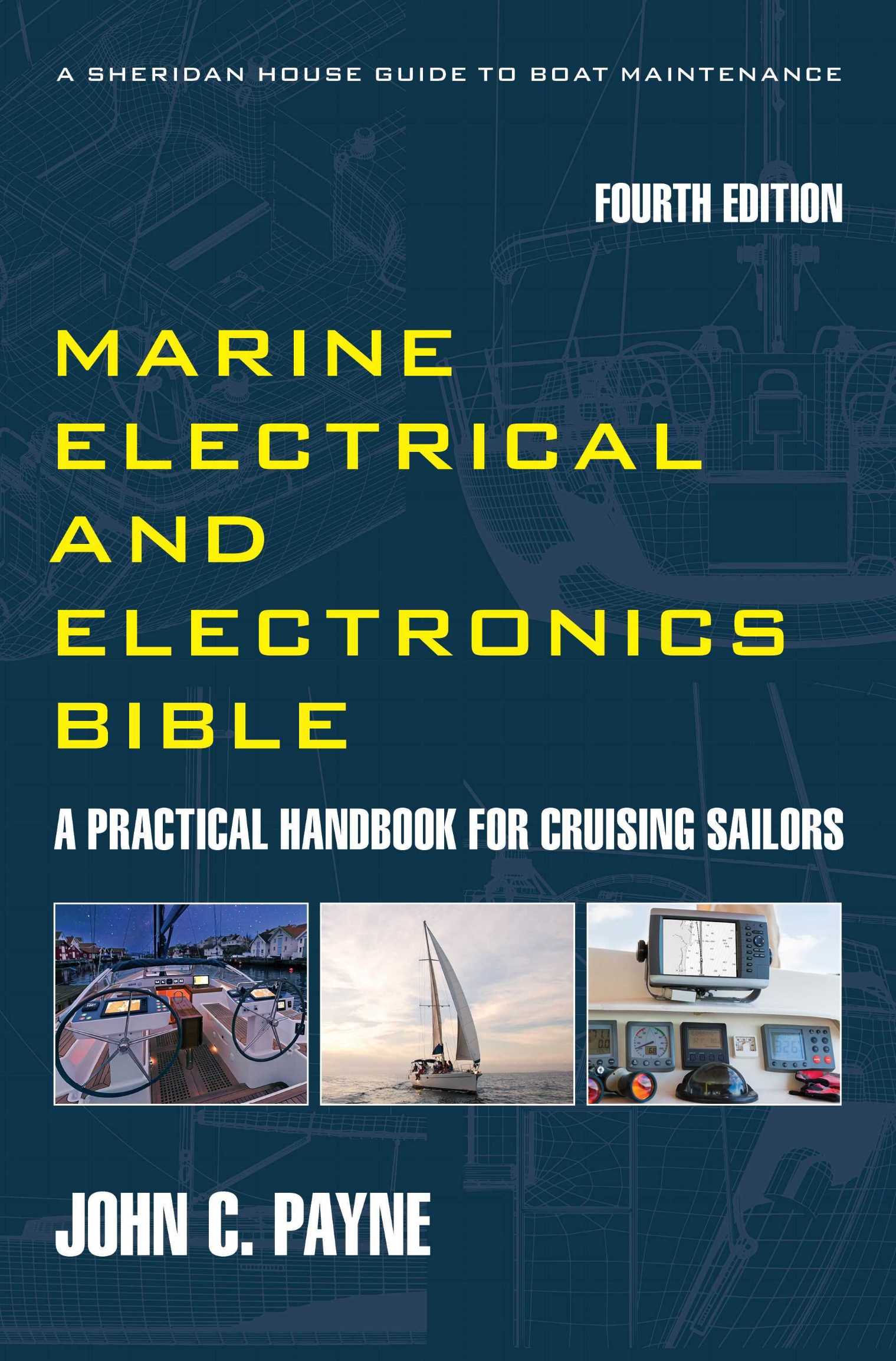
If you are headed somewhere remote consider the need to expand your knowledge base or have an information resource on board. Why not get a copy of my book The Marine and Electrical and Electronics Bible 4th Edition. By and for yachties, with everything from batteries and charging, solar and wind, diesel engines and marine electronics and so much more. Your complete systems guide. 650 pages of practical advice. In Australia and New Zealand order a copy through Boat Books. UK and European boats can buy the UK Edition Here. US and Canadian boats can get the US Edition Order Here. Marine systems are my profession so let me help you. By a liveaboard boat owner for other boat owners

Tobago Cays Yacht
Cruising Guide - Marine
Services
Marine services are non‑existent. Any mechanical, electrical, rigging, or sail work is handled in Union Island, Carriacou, or Grenada. The Cays function strictly as a protected anchorage with no shore support.
Tobago Cays Yacht
Cruising Guide - Local Customs
The Tobago Cays are part of a marine park, and anchoring, mooring, waste disposal, and shore access are regulated. Respect for protected areas, wildlife, and designated landing zones is mandatory. Noise should be kept low, and interactions with park rangers are straightforward and conducted in plain language.
Tobago Cays Yacht
Cruising Guide - Summary
The Tobago Cays provide deepwater approaches, a well‑protected lagoon anchorage with 5–10 m depth profiles, and no services or provisioning. They function as a pristine, uninhabited anchorage within a marine‑park environment, used for short stays and transit between Mayreau, Canouan, and Union Island. Operational demands are modest in settled conditions but increase with swell exposure and wind shifts. Tobago Cays Yacht Cruising Guide for all you need to know