St Thomas Yacht Cruising Guide
St Thomas Yacht Cruising Guide. St Thomas lies east of Puerto Rico and west of St John and functions as the primary entry point to the US Virgin Islands, with deepwater approaches, multiple anchorages, and extensive marine infrastructure. Navigation is straightforward in settled trade‑wind conditions, with depths remaining above 40–80 m offshore and predictable shoaling toward the island’s western and southern bays. The island is a routine provisioning, repair, and staging point for yachts moving through the USVI and BVI.
The sailing environment is shaped by the northeast trades, typically 15–22 kn, with moderate seas offshore and calmer conditions inside the western anchorages. The eastern and northeastern coasts are reef‑fringed and exposed to Atlantic swell, with depths dropping rapidly from 30–40 m to 5–10 m over coral shelves. Marine infrastructure is extensive, with full‑service marinas, haul‑out yards, and technical support concentrated around Charlotte Amalie, Crown Bay, and Yacht Haven Grande, which regularly hosts large yachts and superyachts.
St Thomas Yacht
Cruising Guide - Approaches
Approaches from the west and southwest are clear, with depths above 40–80 m until close to the island, shoaling to 10–20 m over sand before entering Charlotte Amalie or Crown Bay. Approaches from the east, northeast, and southeast are reef‑fringed and exposed to Atlantic swell, with depths dropping from 30–40 m to 5–10 m near the reef line; these sectors require daylight and visual navigation and are not used for routine entry. Tidal range is small at 0.3–0.6 m, and currents are weak, with minor set between St Thomas and St John during fresh trades.
St Thomas Yacht
Cruising Guide - Anchorages
- Charlotte Amalie Harbour. Charlotte Amalie Harbour on the southern coast provides 10–15 m over sand with moderate shelter from the prevailing trades. The harbour is wide and accessible, with predictable depth gradients and reliable holding. Swell can enter during strong southerly systems, but conditions remain manageable in typical trade‑wind weather. Dinghy access is straightforward via multiple docks.
- Crown Bay. Crown Bay lies west of Charlotte Amalie and offers 10–15 m over sand with good shelter. The bay is adjacent to marina facilities and provides easy access to fuel, water, and technical support. Holding is reliable, and the anchorage remains calm in most conditions.
- Honeymoon Bay (Water Island). Honeymoon Bay provides 5–10 m over sand with moderate shelter. The bay is open but calm in settled conditions, with reliable holding and straightforward dinghy access via the beach.
- Magens Bay. Magens Bay on the northern coast offers 10–20 m over sand with moderate shelter. The bay is exposed to swell during northerly systems and is suitable only in settled conditions. Dinghy access is via the beach.
- Windward Coast. The eastern and northeastern coasts offer no viable anchorage due to reefs, shoaling to 5–10 m, and full exposure to Atlantic swell.
St Thomas Yacht Cruising Guide - Marinas
St Thomas has the strongest marina network in the USVI, centred on Charlotte Amalie and Red Hook. Yacht Haven Grande in Charlotte Amalie is the island’s flagship facility, offering 46 megayacht berths for vessels up to 656 ft, high‑speed fueling, 24‑hour security, full shore power, and direct access to restaurants, retail, and technical support. Crown Bay Marina (Charlotte Amalie West) provides 99 slips, including 16 alongside/stern‑to berths for yachts up to 200 ft, a 315‑ft fuel dock, pump‑out, on‑site chandlery, laundry, dining, and full concierge services, with easy access to Cyril E. King Airport. American Yacht Harbor in Red Hook offers 128 slips for yachts up to 110 ft, fuel, provisioning access, chandlery, and immediate departure routes to the BVIs. Additional protected dockage is available at Saga Haven Marina in Benner Bay, offering secure slips, 50‑amp shore power, and on‑site fuel service. For haul‑out and technical work, Independent Boat Yard provides the island’s primary full‑service yard with haul‑out, storage, and marine trades.
St Thomas Yacht
Cruising Guide - Local Weather
The USVI sit in the eastern Caribbean trade‑wind belt, with steady easterly to east‑north‑easterly trades at 12–20 kn for most of the year, strengthening to 18–25 kn in the winter “Christmas Winds.” Seas are typically 1.5–2.5 m in open water with shorter wind‑driven chop in the channels between islands. Summer brings lighter winds (8–15 kn), higher humidity, and a greater chance of afternoon squalls with brief 25–35 kn gusts. Hurricane season runs June–November, with peak risk August–October, and skippers monitor tropical waves closely. Local effects include accelerated winds in the Pillsbury Sound and Sir Francis Drake Channel, lee calms behind St John’s high terrain, and wrap‑around swell entering exposed anchorages after distant Atlantic systems. Conditions are generally predictable, but squalls, channel acceleration, and seasonal swell require conservative anchoring and daylight navigation.
St Thomas Yacht
Cruising Guide - Provisioning
Supermarkets. Food Center (Red Hook) carries full‑range groceries including fresh produce, meat, seafood, bakery, deli, wines, and spirits, open 7 a.m.–10 p.m. daily. Gourmet Gallery (Havensight & Crown Bay) stocks high‑quality produce, smoked meats, deli items, prepared foods, cheeses, and specialty imported goods. The Fruit Bowl (Wheatley Center) offers high‑quality fruit and vegetables, organic and ethnic items, salad bar, Wagyu beef, vegan options, and fresh seafood, with delivery available. The Market St. Thomas (Tutu Park Mall) is a full‑service supermarket with produce, meats, seafood, bakery, liquor, and online ordering/pick‑up. Moe’s Fresh Market (Red Hook, Ritz‑Carlton Club, Margaritaville, Frenchman’s Cove) provides organic produce, gourmet items, sushi, deli meals, and fine wines, with online ordering and delivery. Cost.U.Less (Donoe) offers bulk groceries, household goods, and US‑brand staples with no membership requirement.
Local specialty products across major outlets include Cruzan Rum, A.H. Riise, Bones Rum, local hot sauces (Alvin’s, Mama Lucy), and tropical produce such as breadfruit, mango, papaya, passionfruit, and soursop.
Markets and Fish Markets
Markets. Market Square (Charlotte Amalie) hosts a Saturday farmers’ market with local fruit, vegetables, herbs, and small‑scale produce from island growers. Bordeaux Farmers’ Market (West End) operates twice monthly on Sundays, offering locally grown produce and community farm goods.
Fish Markets. Frenchtown Dock (Charlotte Amalie) has morning fish vendors selling locally landed snapper, grouper, mahi‑mahi, wahoo, tuna, and mixed reef species depending on catch.
St Thomas Yacht
Cruising Guide - Local Cuisine
St Thomas cuisine is built on Caribbean staples, local seafood, and Creole‑influenced slow‑cooked dishes. Core plates include fungi and fish (the USVI national dish: firm cornmeal fungi served with sautéed or stewed local fish), kallaloo (leafy green stew with okra, herbs, and salted meat or seafood), pates (fried pastry pockets filled with beef, saltfish, conch, or spiced vegetables), and roti (flatbread wrap filled with curried chicken, goat, or vegetables). Saltfish and johnny cakes remain a standard breakfast pairing, with salted cod sautéed with onions and peppers alongside fried dough rounds. Seafood dishes include conch stew (tomato‑based slow stew with herbs), conch fritters (seasoned batter with chopped conch), stewed whelks, fried snapper, mahi‑mahi, and wahoo. Side staples include plantains, breadfruit, cassava, and rice and peas. Local sweets feature tamarind balls, coconut tart, guava tart, and soursop ice cream, with Cruzan rum and guavaberry liqueur used in drinks and desserts.
Local hot sauces are widely stocked, including Alvin’s, Mama Lucy’s, and Blind Betty, alongside Caribbean staples such as seasoning peppers, scotch bonnets, green seasoning, and sofrito mixes. Fresh local produce varies by season but typically includes mango, papaya, breadfruit, plantain, soursop, passionfruit, tamarind, and local limes. Island bakeries and small vendors supply johnny cakes, sweet bread, coconut tart, and guava tart, while roadside and market stalls often sell cassava bread, ginger beer, and tamarind balls.
St Thomas Yacht Cruising Guide – The Rums
A.H. Riise is one of the historic rum producers of the U.S. Virgin Islands, originally based in Charlotte Amalie, St Thomas. It began as a 19th‑century apothecary and trading house founded by Albert Heinrich Riise, a Danish pharmacist who produced medicinal bitters, tonics, and eventually rum blends that became widely exported across the Caribbean and Europe. The style leans toward rich, dessert‑like profiles: vanilla, caramel, tropical fruit, molasses, and spice. Although the original apothecary no longer distills on St Thomas, the brand maintains its heritage identity tied to the island, and its bottles are widely sold across the USVI. Signature expressions include XO Reserve, Non Plus Ultra, Royal Danish Navy Rum, and Family Reserve
Cruzan Rum. Cruzan is the flagship rum of St Croix and one of the most established distilleries in the Caribbean. Produced at the Estate Diamond Distillery since the 18th century, it is known for clean, light, column‑distilled rums that work well in cocktails and for everyday onboard provisioning. Core expressions include Cruzan Light, Cruzan Dark, Single Barrel, and a wide range of flavoured rums (mango, coconut, pineapple, guava, banana). The style is dry, approachable, and mixable, with the Single Barrel offering a more oak‑driven profile. Cruzan is widely stocked across the USVI and is considered the standard local rum for yacht provisioning.
Bones Rum. Bones Rum is a St Thomas‑based craft rum brand, known for its pirate‑themed identity and sweet, approachable blends aimed at the tourist and charter market. It is not a distillery; the rum is blended and bottled on St Thomas, using Caribbean‑sourced base spirits. The profile leans toward smooth, vanilla‑caramel sweetness, designed for easy sipping or simple cocktails. Signature products include Bones White, Bones Spiced, and Bones Coconut. It is widely sold in St Thomas and St John supermarkets and is positioned as a local souvenir‑friendly rum alongside A.H. Riise.
St Thomas Yacht
Cruising Guide - Fuel Supplies
Fuel is widely available at Crown Bay Marina and Yacht Haven Grande, where diesel and petrol can be taken directly at marina fuel docks. Supply is reliable, and larger volumes can be arranged through marina offices.
St Thomas Yacht
Cruising Guide - Water Supplies
Potable water is available at all major marinas through dockside hose connections. Yachts at anchor take water by jerry can from marina facilities. Water makers reduce reliance on shore supply but are not essential for short stays.
Mechanical and Electrical Repairs
Resource
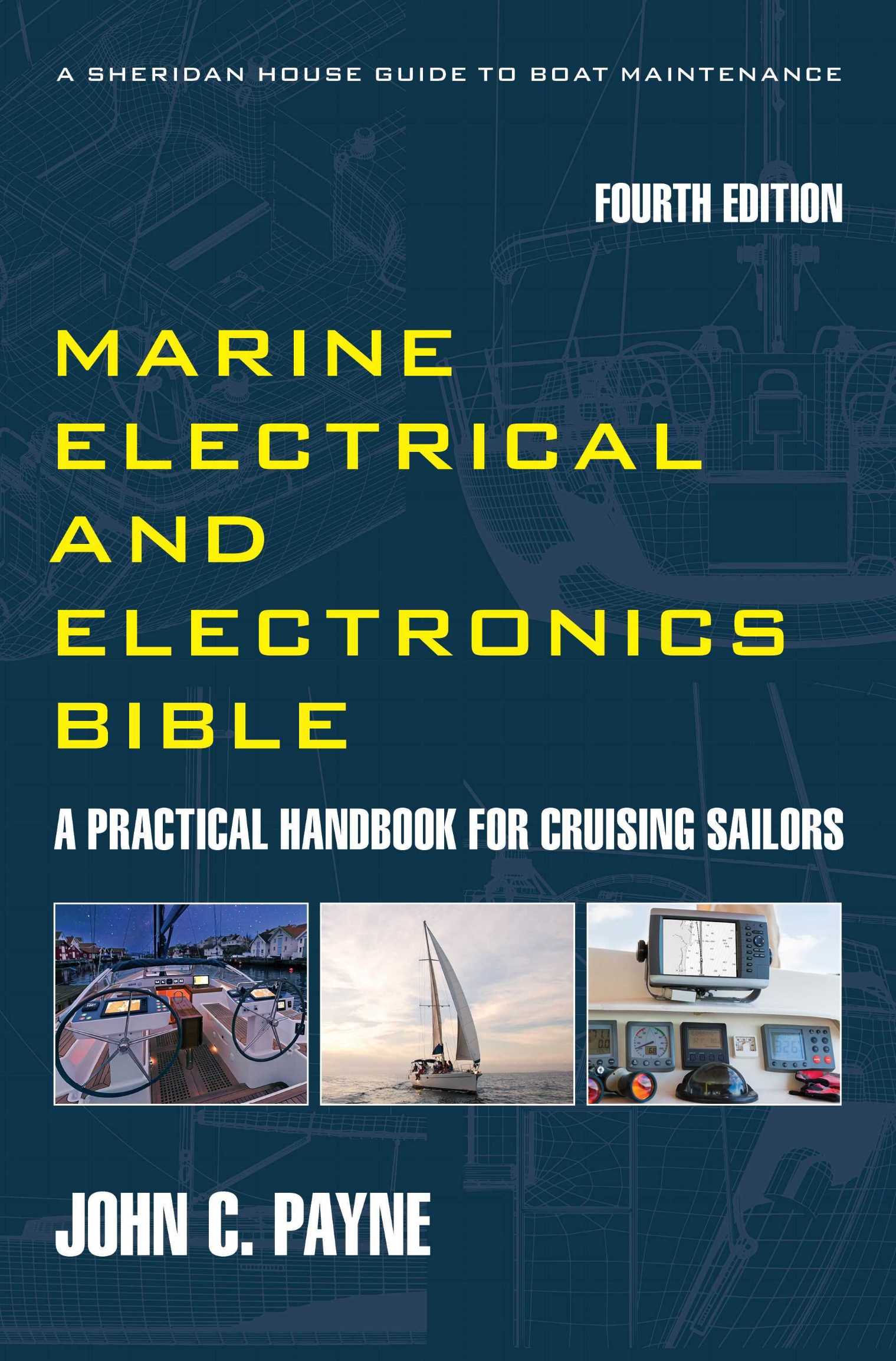
If you are headed somewhere remote consider the need to expand your knowledge base or have an information resource on board. Why not get a copy of my book The Marine and Electrical and Electronics Bible 4th Edition. By and for yachties, with everything from batteries and charging, solar and wind, diesel engines and marine electronics and so much more. Your complete systems guide. 650 pages of practical advice. In Australia and New Zealand order a copy through Boat Books. UK and European boats can buy the UK Edition Here. US and Canadian boats can get the US Edition Order Here. Marine systems are my profession so let me help you. By a liveaboard boat owner for other boat owners

St Thomas Yacht
Cruising Guide - Marine Services
Marine services are extensive, including mechanical, electrical, rigging, sail repair, welding, fiberglass, and chandlery supply. The island supports major repairs and refits, with specialized parts available locally or sourced through established supply chains.
St Thomas Yacht
Cruising Guide - Local Customs
Local behaviour is courteous and direct. Respect for private property, controlled dinghy speeds near shore, and proper waste disposal are expected. Marina procedures are clear, and interactions with staff are straightforward. Noise should be kept low near residential areas.
St Thomas Yacht
Cruising Guide - Summary
St Thomas provides deepwater approaches, multiple anchorages with 5–20 m depth profiles, and the region’s strongest marine‑service base outside the BVI. Charlotte Amalie and Crown Bay serve as the operational centres, while Honeymoon Bay and Magens Bay offer additional anchorage options. Navigation is straightforward in settled conditions, and operational demands are modest for a self‑sufficient yacht. The St Thomas Yacht Cruising Guide for all you need to know.