St John Yacht
Cruising Guide
St John Yacht Cruising Guide. St John lies east of St Thomas and west of the British Virgin Islands and functions as a low‑infrastructure, national‑park‑dominated island with multiple bays suitable for anchoring in settled conditions. It has deepwater approaches, predictable seabed contours, and straightforward navigation from the west and southwest. The island is used primarily as a quiet anchorage destination or staging point for yachts moving between the USVI and BVI.
The sailing environment is shaped by the northeast trades, typically 15–22 kn, with moderate seas offshore and calmer conditions inside the western and northern bays. The eastern and southeastern coasts are reef‑fringed and exposed to Atlantic swell, with depths dropping rapidly from 30–40 m to 5–10 m over coral shelves. Marine infrastructure is minimal, and all major services are taken in St Thomas. St John’s role is anchorage‑based, with controlled access in national‑park waters.
St John Yacht
Cruising Guide - Approaches
St John is a reef‑fringed, high‑terrain island with approaches shaped by clear water, abrupt depth transitions, and strong trade‑wind exposure on the east and south coasts. Western and northern approaches are the most practical, with deep water (>20 m) close to shore before shoaling rapidly to 6–15 m inside bays. The Sir Francis Drake Channel to the south produces short chop in 15–22 kn trades, while Pillsbury Sound to the west offers the cleanest access to Cruz Bay and the north‑shore mooring fields. Navigation is visual: coral shelves rise sharply from 10–20 m to 2–6 m, requiring overhead sun for safe entry.
Western Approaches
(Primary Access)
Pillsbury Sound provides the safest entry, with 20–40 m depths in the approaches and 8–15 m inside Cruz Bay. Hazards are well marked, and ferry traffic is predictable. The approach corridor remains deep until close to the mooring fields, where depths reduce to 6–12 m over sand.
Northern
Approaches (Swell‑Dependent)
The north shore drops from >30 m to 6–12 m rapidly, with sand patches bordered by coral shelves rising to 2–4 m. Long‑period north swell (December–March) affects all bays. Approaches to Maho, Francis, Cinnamon, Trunk, and Hawksnest are straightforward in good light, but swell can make entry uncomfortable even when depths remain stable at 6–10 m.
Southern
Approaches (Trade‑Wind Acceleration)
The south shore faces the Sir Francis Drake Channel with 15–25 kn accelerated trades and short chop. Approaches to Great Lameshur, Little Lameshur, Reef Bay, and Salt Pond remain deep (20–30 m) until close to shore, then shoal to 10–15 m in the anchoring zones. Reef structures sit tight to headlands, often rising from 8–12 m to 2–3 m abruptly.
Eastern Approaches
(Coral Bay Sector)
The east end has wide, deep access with 20–35 m in the outer approaches and 8–15 m inside Coral Bay. Interior navigation requires attention to shoals that rise to 2–4 m and mooring‑dense areas. Hurricane Hole’s mangrove creeks maintain 5–12 m depths with steep mud banks; entry is controlled and only permitted under specific conditions.
St John Yacht Cruising Guide - Approach Notes
Night approaches are avoided due to unlit reef edges and reliance on visual navigation. Overhead sun is essential for reading coral in 2–6 m water. Charts are accurate for major hazards, but coral heads can extend further than expected, especially after storms. St John is effectively a daylight‑only, visual‑navigation island for safe yacht operations.
St John Yacht
Cruising Guide - Anchorages
St John’s anchorages sit almost entirely within the Virgin Islands National Park, with most areas managed by NPS moorings (no anchoring on coral). Depths are generally 5–15 m, bottoms are sand with coral patches, and exposure is driven by north swell on the north shore and trade‑wind acceleration on the south/east.
North Shore
Anchorages (Swell‑Exposed December–March)
- Maho Bay. 5–10 m over sand; excellent holding; protected from trades but exposed to northerly swell; calm in settled easterlies.
- Francis Bay. 6–12 m; good sand; one of the most reliable north‑shore stops; still affected by long‑period north swell.
- Cinnamon Bay. 6–12 m; sand with coral patches; scenic but more exposed; uncomfortable in any north swell.
- Trunk Bay. 8–12 m; limited moorings; fully exposed; used only in settled conditions.
- Hawksnest Bay. 6–10 m; small, tight, and swell‑sensitive; workable only in calm easterlies.
West Side (Lee‑Side,
Variable Gusts)
- Cruz Bay. 5–12 m; moorings only; busy ferry harbour; gusty lee winds; not a quiet overnight.
- Caneel Bay. 6–12 m; sand; good protection from trades; gusts spill over ridges; reliable in most conditions except strong north swell.
South Shore (Trade‑Wind
Chop, Good Swell Protection)
- Great Lameshur Bay. 8–15 m; sand; protected from north swell; exposed to trades with short chop; reliable holding.
- Little Lameshur Bay. 8–12 m; sand; quieter than Great Lameshur; moderate trade‑wind exposure.
- Reef Bay. 10–15 m; deeper; open to trades; rolly in strong easterlies; good in light conditions.
- Salt Pond Bay. 6–12 m; sand; good protection from north swell; moderate trade‑wind exposure; one of the more consistent south‑shore stops.
East End / Coral
Bay Sector (Channel Acceleration)
- Coral Bay. 5–15 m; large, protected basin; mix of moorings; gusty with channel acceleration; reliable in most weather.
- Hurricane Hole (Princess Bay, Otter Creek, Water Creek, Borck Creek). 5–12 m; mangrove‑lined hurricane refuge; entry controlled; exceptional protection; used only with permission.
- Leinster Bay. 6–12 m; sand; exposed to trades and wrap‑around swell; good in light easterlies.
St John Yacht
Cruising Guide - Marina Facilities
St John has no operational full‑service marinas at present; visiting yachts rely on moorings, NPS docks, and nearby St Thomas facilities. The only true marina project on the island is The St. John Marina – The Yacht Club at Summer’s End, a planned 115‑slip full‑service marina in Coral Bay with berths for 30–150 ft+ vessels, drafts to 16 ft, fuel (including select in‑slip), shore power, potable water, pump‑out, 24‑hour security, CBP office, crew lounge, concierge, waste‑handling, and on‑site provisioning, restaurants, and retail . Until this facility opens, St John’s only functional options are Cruz Bay’s National Park Dock and VINP Visitor Center Dock, which provide short‑stay mooring/docking access for town services but no marina‑grade facilities. Moorings are common in national‑park waters and may be mandatory in certain bays. Coral Bay Yacht Club offers a community mooring area but no fuel, water, or marina services. Cruz Bay provides dinghy access only.
St John Yacht
Cruising Guide - Local Weather
St John sits fully inside the eastern Caribbean trade‑wind belt, with ENE–E trades at 12–20 kn most of the year and 18–25 kn in winter surges. The island’s steep terrain creates strong lee effects on the western and north‑western anchorages (Cruz Bay, Caneel, Hawksnest), where winds can drop out entirely while accelerated gusts spill over the ridges. The north shore is exposed to Atlantic swell, especially December–March, with long‑period northerly sets making otherwise calm anchorages (Maho, Francis, Cinnamon) uncomfortable or untenable. The south shore is more protected from swell but sees channel acceleration from the Sir Francis Drake Channel, producing short chop and stronger trades in Coral Bay and the eastern anchorages. Summer brings lighter winds (8–15 kn), higher humidity, and fast‑moving squalls with 25–35 kn gusts. Hurricane season runs June–November, with peak risk August–October. St John’s weather is predictable under trades but highly topography‑dependent, requiring anchorage choices based on both wind direction and swell behaviour.
St John Yacht
Cruising Guide - Provisioning
Supermarkets. Starfish Market (Cruz Bay) is St John’s largest full‑service supermarket, carrying fresh produce, meats, seafood, dairy, bakery, deli meals, wine, spirits, and specialty cheeses, open daily 7:00/7:30 a.m.–9 p.m. Dolphin Market (Cruz Bay) stocks fresh fruit, vegetables, meats, household essentials, and general groceries. Love City Mini Mart (Coral Bay) provides everyday groceries, snacks, drinks, and essentials for east‑end provisioning. Calabash Market (Coral Bay) carries fresh produce, wine, Caribbean spices, and a strong selection of fresh meat and fish. St John Gourmet Market offers organic, gluten‑free, and specialty gourmet items. Josephine’s Organic Greens (Coral Bay) supplies locally grown organic greens, herbs, and produce.
Local specialty products available across outlets include Caribbean spices, local hot sauces, fresh island fruit (mango, papaya, soursop), and organic greens from Coral Bay farms.
Markets. St John does not have a large central produce market; provisioning relies on supermarket‑based fresh sections. Starfish Market and Calabash Market function as the island’s primary fresh‑produce hubs, with local fruit, vegetables, herbs, and seasonal items sourced from island growers. Josephine’s Organic Greens operates as a small farm‑market source for organic produce in Coral Bay.
Fish Markets. St John has limited dedicated fish‑market infrastructure. Fresh local fish is sold through Calabash Market (Coral Bay), which receives daily landings including snapper, grouper, and mixed reef species. Starfish Market (Cruz Bay) also stocks fresh seafood depending on supply.
St John Yacht
Cruising Guide - Local Cuisine
St John’s cuisine follows the broader USVI pattern of Caribbean, Creole, and African‑influenced dishes built around local seafood, root vegetables, and slow stews. Core plates include fungi and fish (firm cornmeal fungi served with sautéed or stewed local fish), kallaloo (leafy green stew with okra, herbs, and salted meat or seafood), pates (fried pastry pockets filled with beef, saltfish, conch, or spiced vegetables), and roti (flatbread wrap with curried chicken, goat, or vegetables). Breakfast staples include saltfish and johnny cakes (salted cod sautéed with onions and peppers served with fried dough rounds). Seafood dishes feature conch stew, conch fritters, fried whole snapper, mahi‑mahi, wahoo, and stewed whelks. Side staples include plantains, breadfruit, cassava, rice and peas, and local greens from Coral Bay farms. Desserts and drinks use island fruit such as soursop, tamarind, mango, and guava, with coconut tart, guava tart, and tamarind balls as common local sweets.
St John Yacht
Cruising Guide - Fuel Supplies
Fuel is not available on St John. All refuelling is done in St Thomas, where diesel and petrol can be taken by jerry can or directly at marina fuel docks.
St John Yacht
Cruising Guide - Water Supplies
Water is limited and generally taken by jerry can in Cruz Bay. There are no dockside hose connections for yachts. Water makers reduce reliance on shore supply but are not essential for short stays.
Mechanical
and Electrical Repairs Resource
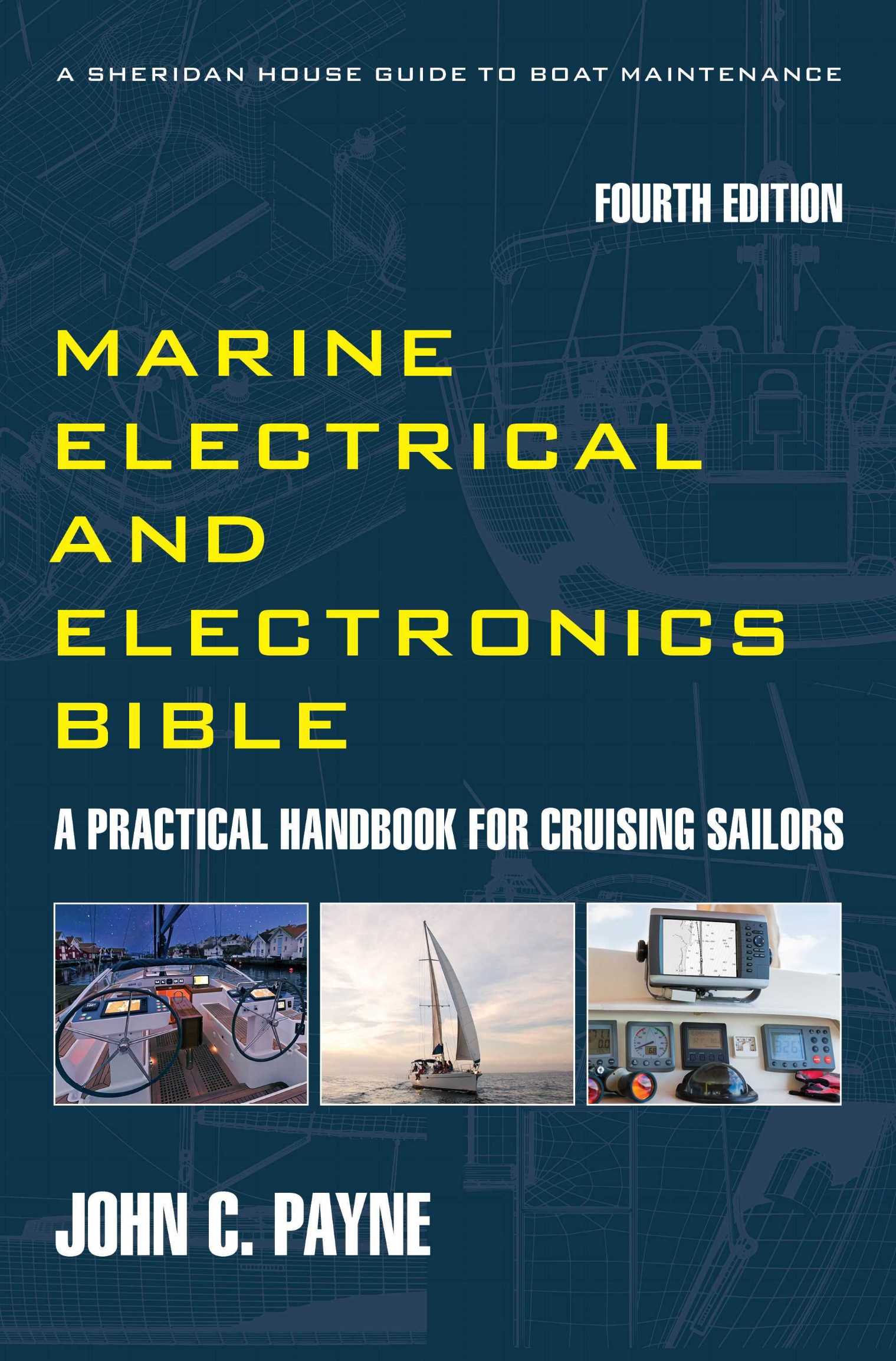
If you are headed somewhere remote consider the need to expand your knowledge base or have an information resource on board. Why not get a copy of my book The Marine and Electrical and Electronics Bible 4th Edition. By and for yachties, with everything from batteries and charging, solar and wind, diesel engines and marine electronics and so much more. Your complete systems guide. 650 pages of practical advice. In Australia and New Zealand order a copy through Boat Books. UK and European boats can buy the UK Edition Here. US and Canadian boats can get the US Edition Order Here. Marine systems are my profession so let me help you. By a liveaboard boat owner for other boat owners

St John Yacht
Cruising Guide - Marine Services
Marine services are minimal. The island provides basic assistance only. All mechanical, electrical, rigging, and sail‑repair work is handled in St Thomas or the BVI.
St John Yacht
Cruising Guide - Local Customs
Local behaviour is courteous and low‑key. Respect for national‑park regulations, controlled dinghy speeds near shore, and proper waste disposal are expected. Noise should be kept low near residential areas. Interactions with local residents are straightforward and conducted in plain language.
St John Yacht
Cruising Guide - Summary
St John provides deepwater approaches, multiple northern and western anchorages with 5–15 m depth profiles, and minimal provisioning and services. Cruz Bay serves as the operational centre, while Caneel, Hawksnest, Trunk, Francis, and Maho Bays offer additional options in settled conditions. Navigation is straightforward, and operational demands are modest for a self‑sufficient yacht. The St John Yacht Cruising Guide for all you need to know.