South Australia Coastal Navigation Guide
South Australia Coastal Navigation Guide. South Australia presents a coastline defined by long, exposed stretches of Southern Ocean frontage broken by two deep gulf systems—Spencer Gulf and Gulf St Vincent. Navigation requires conservative planning, careful fuel management, and an understanding of how swell, tide, and frontal systems interact across the region. This guide provides a practical overview of South Australia’s major cruising areas, linking to detailed destination pages that focus on real‑world navigation, harbour entrances, anchorages, and operational considerations.
The coastline transitions from the sheltered waters of the gulfs to the remote west coast toward Ceduna, where safe harbours are scarce and distances between them are significant. Weather systems move quickly, and strong westerlies, swell, and frontal activity dominate much of the year. Many anchorages are exposed or fair‑weather only, and reliable shelter is concentrated around a handful of key ports. Understanding these regional patterns is essential for safe cruising in South Australian waters.
South Australia Coastal Navigation
Guide
South Australia’s coast is shaped by strong frontal systems, persistent Southern Ocean swell, and long stretches of exposed shoreline with limited all‑weather refuge. Summer brings reliable sea breezes that build steep afternoon chop in the gulfs, while winter fronts produce rapid wind shifts, heavy seas, and reduced visibility. Swell dominates the open coasts year‑round, and tidal streams become operationally significant in the Upper Spencer Gulf. Overall, safe passage depends on conservative weather windows, clear escape options, and careful planning around swell, wind, and tide.
Gulf St Vincent – Adelaide, Outer
Harbor & Fleurieu Peninsula
Gulf St Vincent offers one of South Australia’s most distinctive sailing environments, a sheltered yet lively stretch of water framed by Adelaide, Outer Harbor, and the rugged sweep of the Fleurieu Peninsula. The gulf’s shallow basin and long fetch can build a surprisingly sharp sea state when the afternoon sea breeze strengthens, while winter fronts funnel up from the Southern Ocean with little subtlety. Tidal streams are generally modest but become more influential around headlands and the approaches to Outer Harbor, where commercial traffic adds another layer of situational awareness. For cruising yachts, the region blends accessible metropolitan sailing with quick transitions into open‑coast conditions, making it an ideal gateway to your deeper guide on Gulf St Vincent and the surrounding coastline.
Adelaide – Outer Harbor
Adelaide is a port of entry. Outer Harbor provides deep, all‑weather access with commercial traffic and strong sea breezes in summer. The approaches are straightforward, though winds can funnel across the gulf. Check the Cruising Guide for Adelaide here.
South Australia Coastal Navigation Guide -
Port Adelaide River
The Port Adelaide River is a well‑protected, all‑weather waterway with deep, stable access and minimal swell, making it one of the safest entries on the South Australian coast. Strong tidal flow and commercial traffic require attention, but once inside, conditions are calm and secure. It is a tide‑affected river system with dredged channels and strong crosswinds at times. Check the Cruising Guide for Port Adelaide River here.
Fleurieu Peninsula – North Haven to
Cape Jervis
The eastern side of Gulf St Vincent offers limited anchorages and is exposed to westerlies. Cape Jervis experiences strong tidal flow and wind acceleration. Check the Cruising Guide for Fleurieu Peninsula here.
Spencer Gulf – Port Lincoln, Whyalla & Upper Gulf
Spencer Gulf delivers a distinctive mix of sheltered waters and powerful tidal behaviour, especially as you move north toward Whyalla and the Upper Gulf. Around Port Lincoln the tides are moderate, but the further you progress into the narrowing gulf, the stronger and more complex the streams become, with pronounced reversals, shallow banks, and large intertidal zones shaping local conditions. Wind can amplify these effects, particularly when strong southerlies push against the north‑running flood, creating short, choppy seas in otherwise benign weather. For cruising yachts, this is a region where timing the tide is central to both comfort and safety, setting the stage for your deeper guide to Spencer Gulf’s ports and tidal dynamics.
South Australia Coastal Navigation
Guide - Port Lincoln
Port Lincoln is a Port of Entry, and is the primary cruising hub of South Australia, offering deep, reliable shelter and access to numerous nearby anchorages. Strong winds funnel across Boston Bay during frontal passages. Check the Cruising Guide for Port Lincoln is here.
Whyalla & Upper Spencer Gulf
The upper gulf experiences strong tidal flow and shallow areas. Anchorages are limited, and wind‑against‑tide conditions can produce steep seas. Whyalla and the Upper Spencer Gulf have the strongest and most complex tidal streams in South Australia, with pronounced reversals and shallow banks shaping local conditions. Wind against tide regularly produces short, steep seas that can be uncomfortable even in moderate weather. Safe and efficient passage planning in this area depends on strict tide‑timing and conservative routing. Check the Cruising Guide for Whyalla is here
South Australia Coastal Navigation
Guide - Coffin Bay
Coffin Bay offers excellent protection inside its extensive waterways, with secure holding and minimal swell once inside the entrance. The outer approaches are exposed to Southern Ocean conditions, so entry should be timed for settled weather and good visibility. A large, semi‑enclosed system with multiple anchorages. Navigation requires attention to shallow areas and tidal flow. Check the Cruising Guide for Coffin Bay is here.
Eyre Peninsula – Tumby Bay to Streaky
Bay
The stretch of coast from Tumby Bay to Streaky Bay captures the exposed, ocean‑facing character of the Eyre Peninsula, where long, open fetch and Southern Ocean swell shape the sailing experience far more than tides. Conditions can shift quickly as fronts roll in from the west, turning an easy run into a lumpy, energetic sea state with little warning. The coastline itself alternates between low, sandy bays and bold headlands, creating areas of refracted swell, acceleration zones, and occasional lee pockets that demand attentive helming. While the region offers superb anchorages in settled weather, it remains a place where skippers must stay alert to swell direction, wind shifts, and the limited shelter along the outer coast.
South Australia Coastal Navigation Guide -
Tumby Bay
Tumby Bay is a sheltered, low‑swell anchorage in most conditions, offering reliable holding and straightforward access. Exposure increases with strong southerlies, but it remains one of the more dependable stops on the lower Eyre Peninsula. A semi‑protected anchorage in settled weather. Exposed to swell and strong winds. Check the Cruising Guide for Tumby Bay is here.
South Australia Coastal Navigation Guide -
Elliston
Elliston is exposed to Southern Ocean swell, with limited protection and conditions that deteriorate quickly in westerly or frontal weather. It is only suitable in settled periods, and even then requires careful attention to swell direction and strength. Conditions can deteriorate quickly in strong westerlies. Check the Cruising Guide for Elliston is here.
South Australia Coastal Navigation Guide -
Streaky Bay
Streaky Bay offers reliable shelter in settled weather, with good holding and protection from the prevailing swell. Exposure increases with westerly systems, so conditions can deteriorate quickly when fronts approach. A large bay offering several anchorages with varying protection. Swell can enter during strong westerlies. Check the Cruising Guide for Streaky Bay is here.
West Coast SA – Ceduna, Smoky Bay
& Remote Southern Ocean Frontage
The West Coast of South Australia is exposed, with persistent swell, limited shelter, and rapidly changing conditions driven by Southern Ocean systems. Ceduna and Smoky Bay offer the only reliable anchorages, while the outer coast demands conservative weather windows and careful route planning due to its isolation and lack of all‑weather refuge.
South Australia Coastal Navigation Guide -
Ceduna
Ceduna is a Port of Entry and provides reliable shelter and is a key staging point for westbound or eastbound passages. The coastline west of Ceduna is remote with few safe harbours. Check the Cruising Guide for Ceduna is here.
Smoky Bay & Denial Bay
Smoky Bay and Denial Bay provide the only consistently sheltered waters on this section of the West Coast, offering reliable holding and protection from the prevailing westerly swell. Check the Cruising Guide for Smoky Bay is here.
South Australia Coastal Navigation Guide -
Fowlers Bay
Fowlers Bay is exposed to Southern Ocean swell and offers only partial shelter, with conditions heavily influenced by frontal systems and limited protection from westerly weather. It is a useful stop in settled periods but requires conservative timing due to its open approach and lack of all‑weather security. Check the Cruising Guide for Fowlers Bay is here.
Kangaroo Island – North Coast
Shelters & South Coast Exposure
Kangaroo Island offers reliable shelter along its north coast, with bays and harbours protected from the prevailing southerly swell and suitable for anchoring in a range of conditions. In contrast, the south coast is fully exposed to Southern Ocean weather, with heavy swell, limited refuge, and rapidly changing conditions that restrict safe access to settled periods only. Skippers transiting the island treat the north coast as the operationally dependable side and approach the south coast with conservative weather windows and clear escape options.
American River
A sheltered, enclosed anchorage with reliable protection. Tidal flow is noticeable in narrow sections. American River provides reliable shelter in most conditions, with secure holding and protection from the prevailing southerly swell. Check the Cruising Guide for American River here.
South Australia Coastal Navigation Guide -
Kingscote
A semi‑protected anchorage exposed to strong winds and chop in certain directions. Kingscote is Kangaroo Island’s primary service centre, offering dependable all‑weather anchoring with good holding. It provides reliable protection from prevailing southerlies, making it a practical base for reprovisioning and local operations. Check the Cruising Guide for Kingscote here.
South Coast of Kangaroo Island
The south coast of Kangaroo Island is fully exposed to Southern Ocean swell and offers very limited shelter. Conditions change quickly, and safe access is restricted to settled weather with clear escape options. Exposed to Southern Ocean swell with limited safe anchorages. Strong wind acceleration zones occur near capes and headlands. Check the Cruising Guide for South Coast here.
Mechanical and Electrical Repairs
Resource
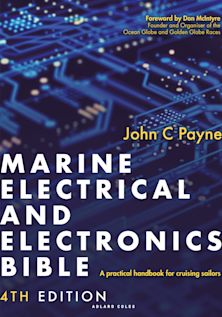
If you are headed somewhere remote consider the need to expand your knowledge base or have an information resource on board. Why not get a copy of my book The Marine and Electrical and Electronics Bible 4th Edition. By and for yachties, with everything from batteries and charging, solar and wind, diesel engines and marine electronics and so much more. Your complete systems guide. 650 pages of practical advice. In Australia and New Zealand order a copy through Boat Books. UK and European boats can buy the UK Edition Here. US and Canadian boats can get the US Edition Order Here. Marine systems are my profession so let me help you. By a liveaboard boat owner for other boat owners

Weather & Seasonal Hazards –
South Australian Coast
South Australia’s coast is shaped by strong seasonal patterns, with reliable summer seabreezes, frequent winter fronts, and persistent Southern Ocean swell influencing most exposed areas. Weather windows tighten during winter as fronts move through quickly, while summer brings predictable afternoon winds but limited shelter along open stretches. Tides are generally modest except in the Upper Spencer Gulf, where streams and reversals become operationally significant
- Strong westerlies dominate much of the year.
- Frontal systems move quickly and produce rapid wind shifts.
- Southern Ocean swell affects all exposed anchorages.
- Sea breezes can reach 25–30 knots in summer.
- Tidal flow is significant in the upper gulfs and around headlands.
- Long distances between safe harbours require conservative routing and fuel planning.
South Australia Coastal Navigation Guide - Summary
South Australia’s coastline demands preparation, patience, and respect for weather and distance. From the sheltered waters of the gulfs to the exposed Southern Ocean frontage of the west coast, safe passage depends on understanding how swell, tide, and frontal systems interact across the region. This overview provides the framework for planning, while the linked destination guides deliver the detailed, port‑by‑port information needed for real‑world cruising in South Australian waters. The South Australia Coastal Navigation Guide for useful passage planning information.